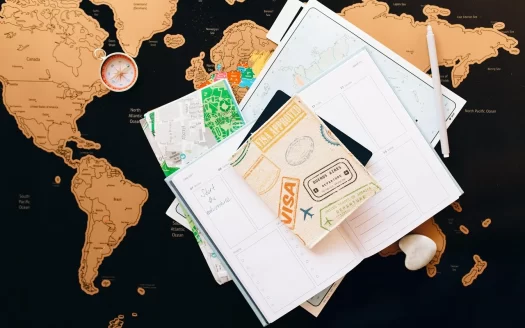
The digital nomad lifestyle is increasingly appealing to professionals who want the freedom to work while exploring the world. Yet, achieving financial stability in this lifestyle requires careful planning, a clear understanding of your skills, and strategic approaches to earning online.
At the foundation, a successful digital nomad begins by assessing personal strengths and identifying skills that can be monetized remotely. Digital competencies such as web development, graphic design, marketing, writing, and IT services are highly sought after, but even transferable skills like consulting, coaching, and project management can be adapted to remote work. The key is to determine which of these skills can generate income reliably, and under what conditions.
Income streams for digital nomads vary widely. Freelancing is often the entry point, allowing short-term contracts with global clients via platforms such as Upwork, Fiverr, or Toptal. For those seeking stability, full-time remote employment with companies that embrace flexible, distributed teams offers consistent pay and benefits. Meanwhile, entrepreneurial ventures—including e-commerce stores, software development, digital products, and content monetization—allow ambitious nomads to create scalable income sources. Some also pursue passive revenue streams like affiliate marketing, online courses, or stock photography to supplement active work.
Equally important is building a professional infrastructure that supports mobility. Reliable internet access, effective communication tools, and project management software are non-negotiable. Digital nomads also need dependable banking and payment solutions to facilitate global transactions, along with health and liability insurance to protect against unexpected challenges. Legal considerations, including visa regulations, work permits, and taxation, must be carefully evaluated to avoid complications abroad.
Beyond tools and logistics, personal branding plays a critical role in establishing credibility and attracting clients or employers. Maintaining a portfolio website, active professional profiles on LinkedIn or industry-specific platforms, and participation in relevant online communities can open doors to opportunities that might otherwise be inaccessible. Networking, both online and in-person at coworking spaces or digital nomad hubs, enhances visibility and creates connections that can lead to collaborations and repeat business.
As the nomadic career grows, diversifying income streams becomes essential. Combining freelancing, remote employment, entrepreneurial projects, and passive sources reduces risk and increases financial resilience. Automation, outsourcing, and strategic delegation allow nomads to scale their business without sacrificing mobility. Maintaining productivity across time zones requires deliberate scheduling, discipline, and the use of tools such as Notion, Asana, or Toggl to manage tasks and deadlines efficiently.
Finally, sustainable financial planning is crucial. Digital nomads must balance short-term travel goals with long-term considerations such as savings, retirement, and emergency funds. Evaluating destinations based on cost of living, connectivity, safety, and lifestyle ensures that work and exploration coexist harmoniously. By carefully navigating these aspects, a digital nomad can not only sustain an income but also create a lifestyle that blends professional fulfillment with the freedom to travel and experience the world.