
Transit and Travel: What Expats Need to Know About Getting Around
When relocating abroad, understanding how you’ll get around is a crucial part of daily life. Transportation affects your cost of living, convenience, safety, and even your social integration. From public transit systems to driving laws, and from biking culture to ride-hailing apps, mobility options vary widely across countries—and choosing the right location often depends on your preferred way of getting around.
Public Transportation
Many cities offer robust public transit, which can reduce reliance on cars and lower monthly expenses.
Europe: Cities like Berlin, Paris, and Vienna feature extensive metro, tram, and bus networks that are reliable, punctual, and safe. Public transport is often subsidized, making it an affordable option for expats.
Asia: Tokyo, Singapore, and Seoul are known for world-class metro systems, while cities like Bangkok or Ho Chi Minh City combine buses, motorbike taxis, and informal minibuses for daily commuting.
Latin America: Cities such as Mexico City and Medellín have modern metro systems, but coverage may be limited to urban centers. Safety and crowding can vary, so researching routes is important.
Islands and Smaller Cities: Public transit may be limited, making personal vehicles or scooters essential.
Driving Abroad
Driving offers flexibility but comes with considerations:
Licensing: Many countries require an international driver’s permit (IDP) or local conversion of your home license. Some nations allow short-term visitors to drive with a foreign license, but long-term residents may need to obtain a local permit.
Road Rules and Conditions: Driving styles, road conditions, and traffic laws differ. Right-hand versus left-hand driving, aggressive traffic culture, and poorly maintained roads can all be challenges.
Insurance: Expats must understand local insurance requirements, which may include liability coverage, vehicle registration, and mandatory safety inspections.
Alternative Transportation Options
Some countries encourage alternatives to private cars:
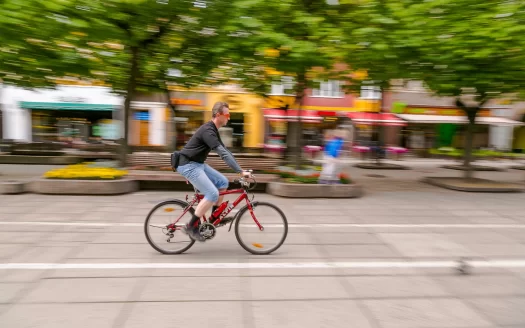
Biking and Walking: Northern European cities like Copenhagen and Amsterdam prioritize cycling infrastructure, while many Mediterranean towns are walkable with compact layouts.
Scooters and Motorbikes: Popular in Southeast Asia, scooters provide inexpensive, flexible transport but come with higher risk of accidents.
Ride-Hailing Apps: Uber, Grab, Bolt, and local equivalents are widely used in urban areas, offering convenience when public transit or driving isn’t ideal.
Cost Considerations
Transportation expenses can significantly impact your budget:
Public Transit Passes: Monthly or annual passes often cost far less than owning a car, especially in cities with reliable networks.
Car Ownership Costs: Gasoline, insurance, registration, parking, and maintenance can add up quickly—particularly in Western Europe and island destinations.
Taxis and Ride-Hailing: Convenient for short-term use but expensive if relied on daily.
Accessibility and Safety
Transportation affects not just cost, but quality of life:
Accessibility: For seniors or those with mobility challenges, cities with elevators, ramps, and accessible public transit are preferable.
Safety: Crime on public transit is low in many Western and Northern European cities, but some urban areas in Latin America and Asia require vigilance, particularly at night. Road safety can also vary; in some countries, driving may be riskier due to traffic behavior or road quality.
Planning Your Daily Commute
Proximity to Work and Amenities: Living near transit hubs, schools, or shopping centers reduces reliance on cars.
Multimodal Options: Combining walking, cycling, public transit, and ride-hailing can maximize efficiency and reduce costs.
Seasonal Considerations: In regions with heavy rainfall, snow, or heat, certain transportation modes may be less practical at times.
Review
Transportation is more than just getting from point A to B—it shapes your daily rhythm, social life, and budget abroad. Before choosing a destination, research public transit, road conditions, vehicle costs, and alternative options. With the right planning, mobility becomes a tool for convenience, independence, and exploration, enhancing your overall experience as an expat.