Albania
Albania:
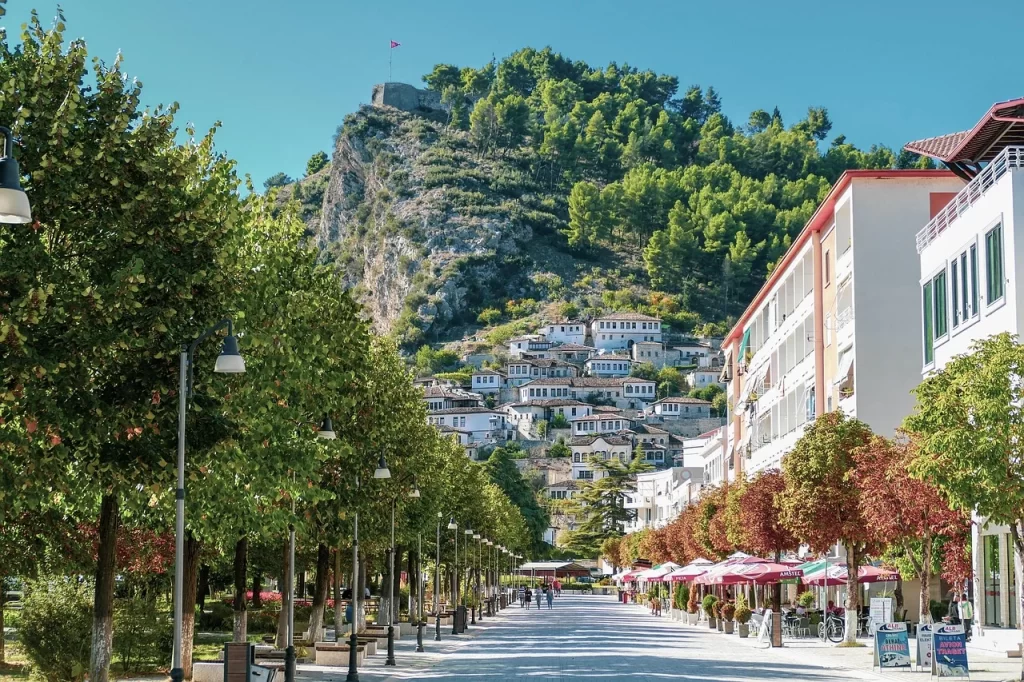
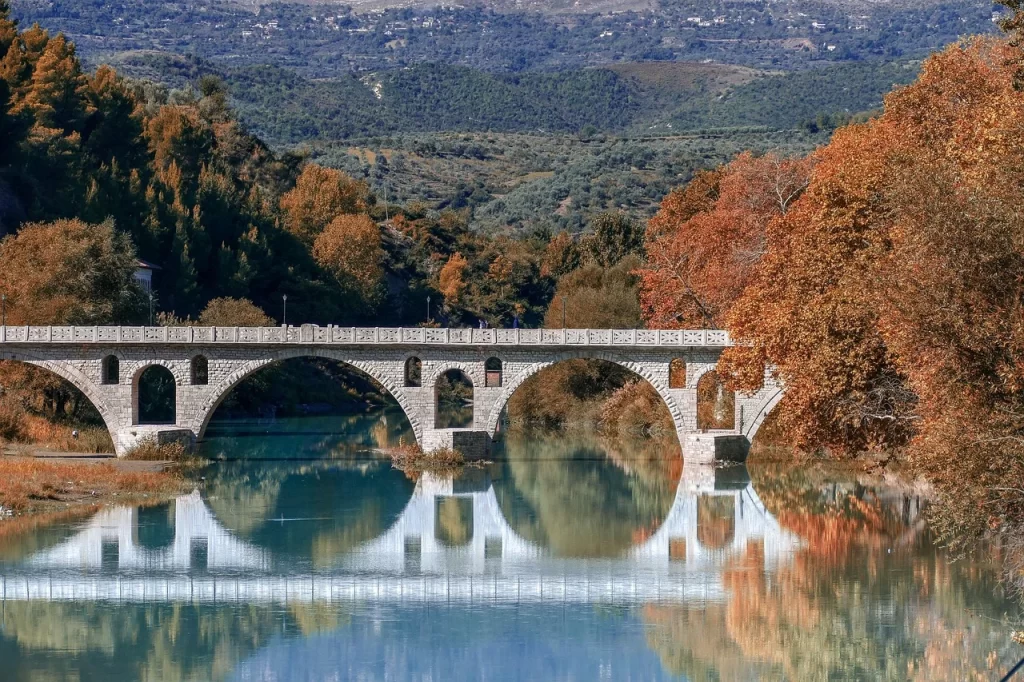
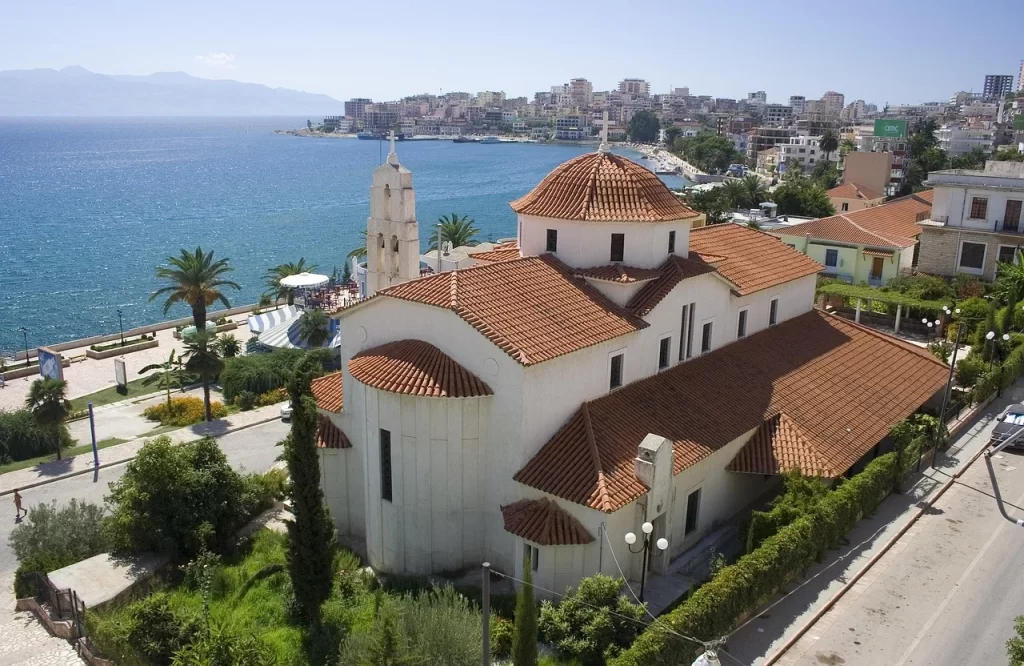
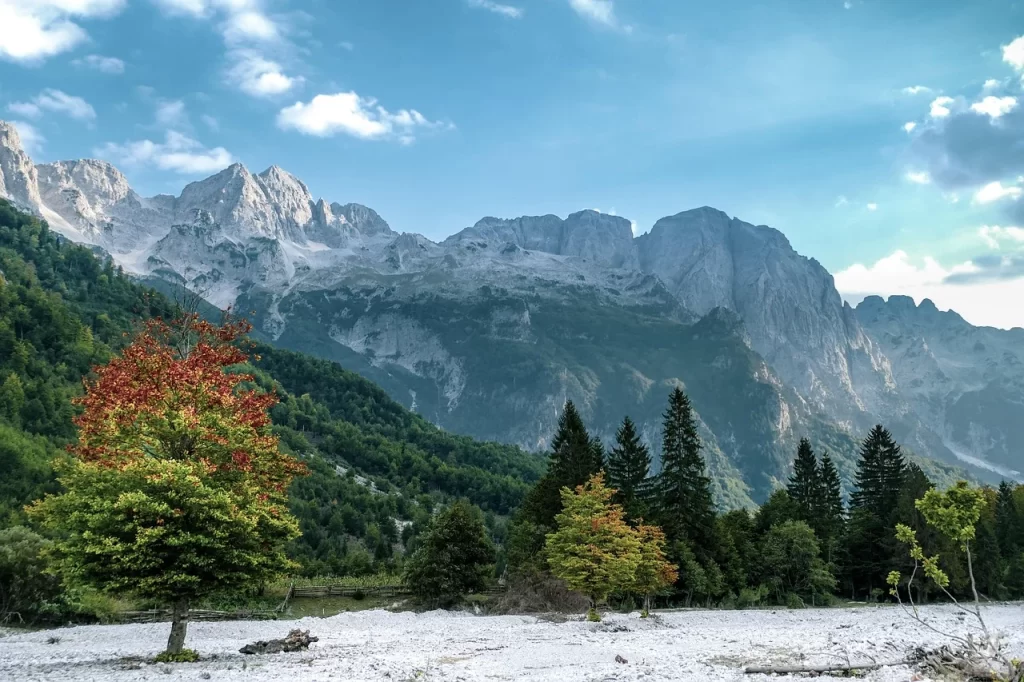
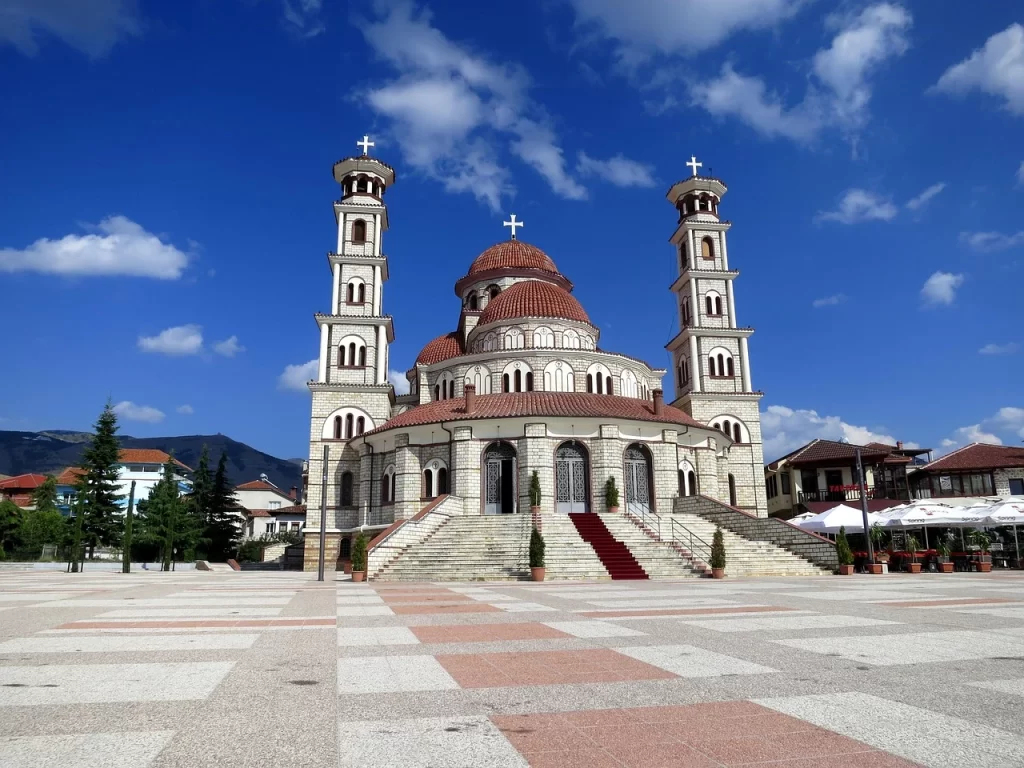
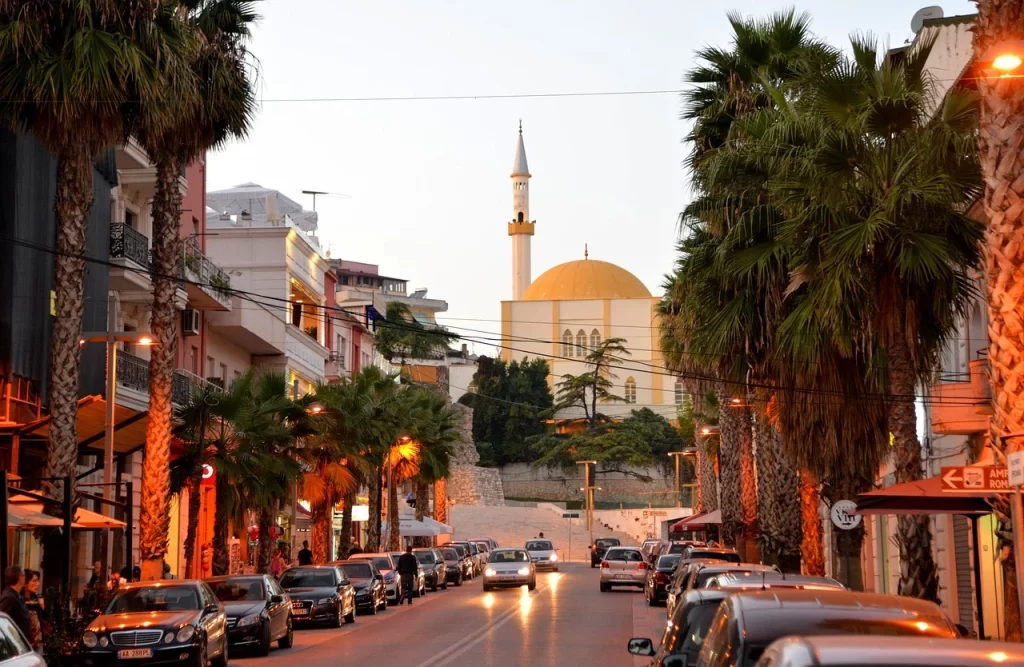
Albania, on Southeastern Europe’s Balkan Peninsula, is a small country with Adriatic and Ionian coastlines and an interior crossed by the Albanian Alps. The country has many castles and archaeological sites. Capital Tirana centers on sprawling Skanderbeg Square, site of the National History Museum, with exhibits spanning antiquity to post-communism, and frescoed Et’hem Bey Mosque.
Albania has beautiful landscapes, beaches, mountains. Great for someone who values outdoor time, relaxed pace, scenic surroundings.
Cost of Living
Low Cost of Living
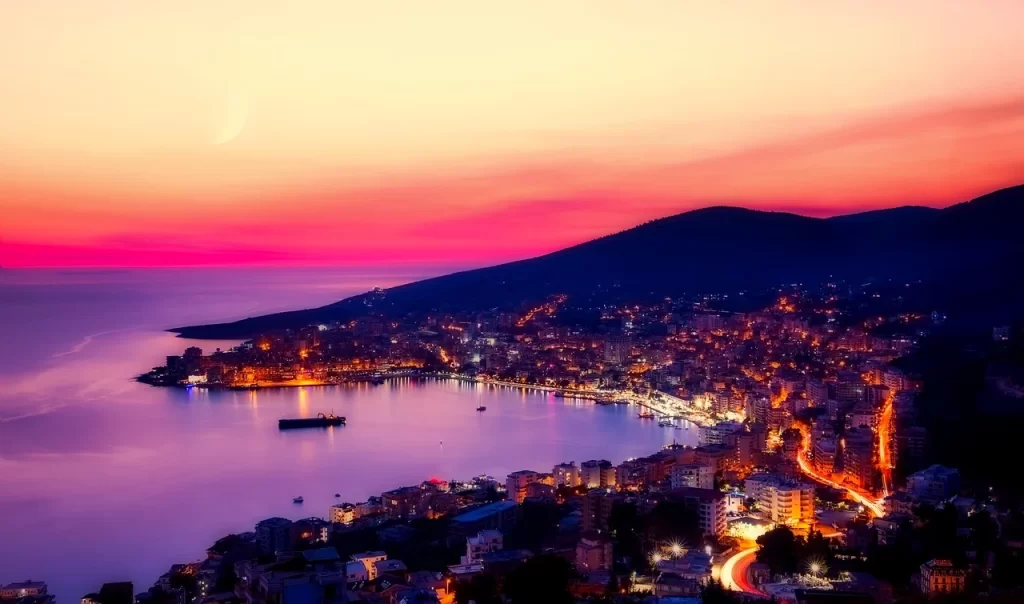
Housing, groceries, services are much cheaper than Western Europe / North America. You can live comfortably on a fraction of what you’d spend in many major Western cities.
Cost indexes show the capital, Tirana, significantly cheaper than major Western cities.
Quality of life
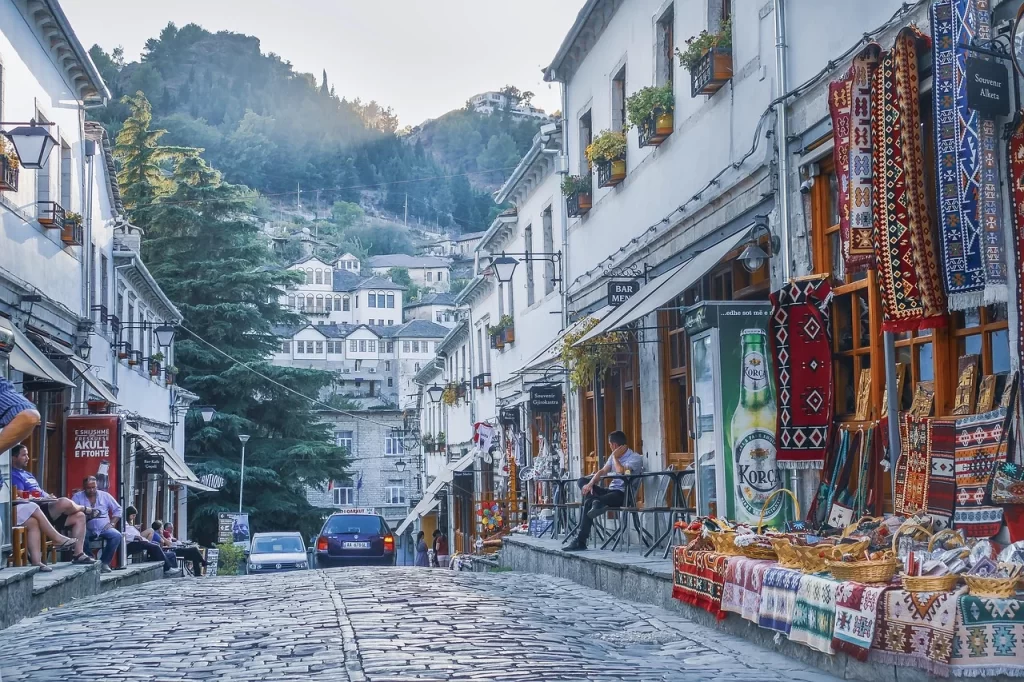
Stay open and engage: Be prepared for a culture known for its hospitality and curiosity; friendly interactions will likely lead to a positive travel experience. Be aware of surroundings: While overall safe, maintain awareness in urban areas, particularly at night, and avoid leaving belongings visible in parked cars, as is good practice anywhere. Enjoy the culture: Embrace the unique experience of visiting this Balkan gem, known for its history, beautiful landscapes, and affordable prices.
Albanian is not widely spoken outside the country; English proficiency is growing (especially in Tirana and among younger people), but language barriers remain outside tourist/urban areas.
Expat networks report Albanians as welcoming; expat resources show decent results for settling in, though formal expat services are smaller than in big Western hubs.
Pros & Cons
Albanians are known for their extremely warm and welcoming nature towards visitors, especially Americans. U.S. citizens can typically stay for up to a year in Albania without a visa, an unusually long period compared to many European countries.
Opportunities for work exist in tourism, IT, services and small business; however wages and scale of corporate career tracks are more limited than in larger markets
Residency & Visas
Albania is widely considered very friendly and welcoming to Americans, partly due to strong appreciation for U.S. support during the Kosovo War. American citizens enjoy generous visa-free entry and are often met with incredible hospitality, a low cost of living, and relatively easy communication, as English is widely spoken among the younger generation.
Healthcare
Healthcare Limitations
Healthcare is okay in cities; for more specialized or emergency medicine people often travel. Public health system has gaps. Private clinics help, but cost and access vary.
Basic care available in urban areas; private clinics can fill the gaps but specialized care or complex treatment often routed abroad. WHO notes ongoing health system reforms and mixed capacities.
Safety & Security
Albania is generally a safe destination for travellers. However, you’ll still need to follow normal precautions, like being aware of your surroundings, avoiding isolated areas at night, and protecting your belongings against pickpocketing, which is more common in crowded tourist locations than anywhere else.
Violent crime against foreigners is rare. Petty crime exists but many feel safe, especially in cities.
Climate
Albania enjoys a predominantly Mediterranean-climate along its coast and lowland regions, with mild winters and warm summers. For example, in coastal cities such as Vlorë the average daytime high in January hovers around 13 °C (55 °F) and the average nighttime low about 6 °C (43 °F), while in July and August highs reach around 30 °C (86 °F) with lows near 19 °C (66 °F). In places like the capital Tirana the annual range is a bit broader: daytime highs can climb to around 30–31 °C (87–88 °F) in summer and fall to about 12–14 °C (53–57 °F) in winter, and nighttime lows can drop to roughly 2–4 °C (36–39 °F) in the coldest months. Meanwhile, in the mountainous interior the climate shifts apace — winters are colder, and summer days cooler, with frosty nights even when days are warm.
Infrastructure & Amenities
Albania is generally considered a developing nation, but it is not a poor country in its entirety, as it exhibits a mix of poverty and wealth, with significant progress in economic areas but persistent challenges. The country struggles with issues like infrastructure and high unemployment but has experienced success in tourism and has increasing foreign investment, making for a complex economic picture. Good improvements in cities (roads, mobile/internet), but rural infrastructure and some public utilities/transport remain uneven.
High literacy and universal basic access, but tertiary / international school options and relative quality vary; expat families may need private/international schools for certain curricula.
Getting permits, dealing with documentation, navigating government services can be slow, confusing, sometimes inconsistent. Some corruption remains.
General:
Location:
Adriatic Sea
Sovereignty:
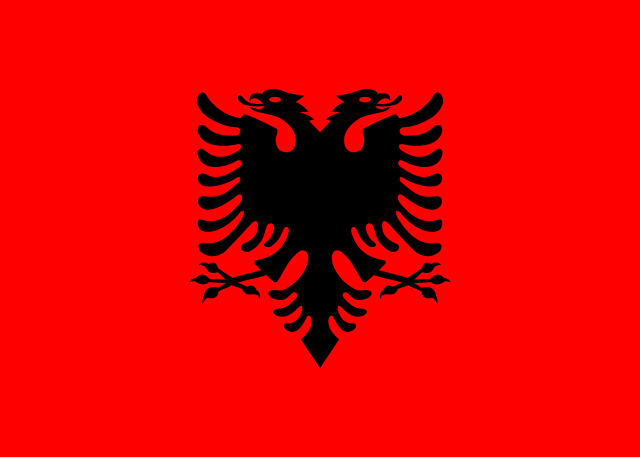
Independent
Capital:
Tirana
Population:
2,771,508
Land Area (km2):
27,398
Population Density (km2):
101
Language:
Albanian
Literacy %:
98.5
Poverty %:
21.7
Currency:
Lek
Indices:
GDP +/- Growth %:
+4
World IHDI Score:
0.705 (71/192)
World Gini Score:
75
Indices Detail
GDP +/- Growth % measures the annual growth rate of the country’s GDP.
World IHDI Score (Inequality-adjusted Human Development Index) reflects average achievements in health, education, and income, adjusted for inequality.
World Gini Score is a measure of income inequality; 0 represents perfect equality and 100 maximal inequality.