
Greece
Greece
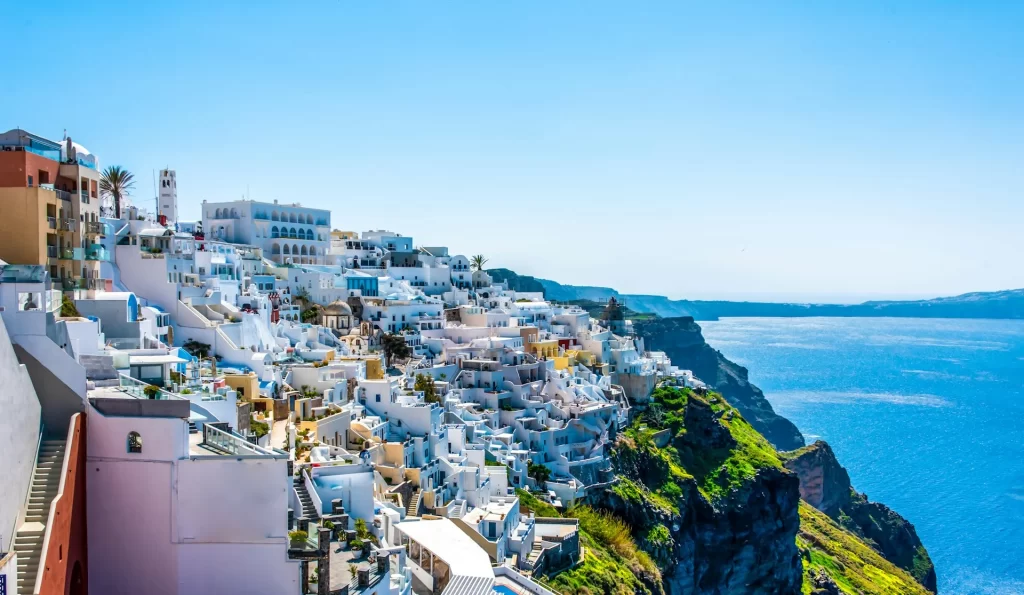
Greece is a sun-kissed Mediterranean paradise where ancient history meets sparkling seas and charming villages. From the bustling streets of Athens to the tranquil beaches of Santorini and Crete, this captivating country offers the perfect blend of culture, adventure, and relaxation. With warm, welcoming communities, stunning landscapes, and a lifestyle that celebrates both tradition and modern comfort, Greece invites you to explore, unwind, and make this timeless destination your new home.
Expat Details
Top Expat Locations in Greece
1. Athens
- Overview: The capital city is a bustling metropolis where ancient history meets modern living.
- Highlights: Rich cultural heritage, vibrant arts scene, excellent public transportation, and diverse dining options.
- Ideal For: Professionals, artists, and those seeking urban amenities.
- Cost of Living: Moderate, with variations depending on the neighborhood.
2. Thessaloniki
- Overview: Greece’s second-largest city, known for its youthful energy and historical significance.
- Highlights: Dynamic cultural life, renowned universities, and a thriving food scene.
- Ideal For: Students, academics, and young professionals.
- Cost of Living: Generally lower than Athens, offering affordable housing and amenities.
3. Crete
- Overview: Greece’s largest island, offering a mix of urban and rural living.
- Highlights: Diverse landscapes, rich history, and a strong sense of community.
- Ideal For: Families, retirees, and those seeking a balanced lifestyle.
- Cost of Living: Varies by area; coastal towns may be pricier, while inland regions offer more affordable options.
4. Corfu
- Overview: An Ionian island known for its lush landscapes and Venetian architecture.
- Highlights: Mild climate, beautiful beaches, and a significant expat community.
- Ideal For: Retirees and those seeking a relaxed island lifestyle.
- Cost of Living: Moderate, with a range of housing options.
5. Paros
- Overview: A Cycladic island celebrated for its picturesque villages and vibrant atmosphere.
- Highlights: Blue-and-white architecture, lively towns like Naoussa, and a growing expat presence.
- Ideal For: Artists, digital nomads, and those seeking a blend of tradition and modernity.
- Cost of Living: Moderate, with increasing popularity among expatriates.
6. Nafplio
- Overview: A charming town on the Peloponnese peninsula, rich in history and beauty.
- Highlights: Neoclassical architecture, seaside promenade, and a relaxed pace of life.
- Ideal For: Couples, retirees, and history enthusiasts.
- Cost of Living: Affordable, with a variety of housing options.
7. Volos
- Overview: A coastal city offering a mix of urban and natural beauty.
- Highlights: Proximity to Mount Pelion, vibrant food scene, and active lifestyle.
- Ideal For: Outdoor enthusiasts and those seeking a balanced lifestyle.
- Cost of Living: Moderate, with affordable housing and amenities.
Each of these locations offers unique advantages depending on lifestyle preferences, budget, and desired amenities. Whether you’re seeking the cosmopolitan energy of Athens, the island charm of Crete and Corfu, or the historical allure of Nafplio and Volos, Greece provides diverse options for expatriates.
Cost of Living
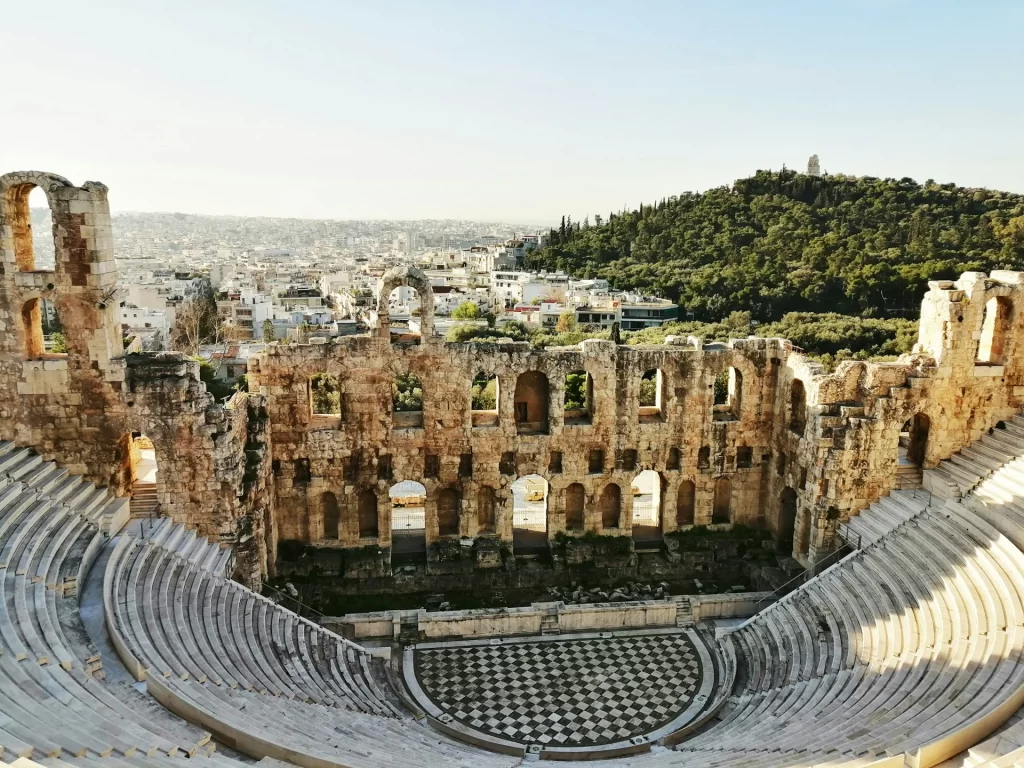
Greece, with its Mediterranean climate, historic charm, and welcoming culture, is a favorite destination for expatriates. From the bustling capital of Athens to the scenic islands of Crete, Rhodes, and Corfu, Greece offers a variety of lifestyles. Understanding the cost of living in different regions is essential for planning a comfortable long-term stay.
Cost of Living
Cost of Living in Popular Expat Locations in Greece
Athens
Athens, Greece’s capital, attracts expats with its cultural heritage, economic opportunities, and cosmopolitan lifestyle.
- Housing: One-bedroom apartments in central Athens typically cost €500–€900 per month, while suburban areas range €350–€650 per month. Larger or furnished apartments can reach €800–€1,200 per month.
- Food: Street food and casual meals cost €5–€10, mid-range restaurants €15–€25 per person, and monthly groceries average €150–€250.
- Transportation: Public transport (metro, buses, trams) is efficient, with fares around €1.20–€1.50 per trip. Monthly passes cost €30–€45.
- Utilities and Internet: Utilities, including electricity, water, and heating, cost approximately €80–€150 per month, and high-speed internet averages €20–€30 per month.
Thessaloniki
Thessaloniki, Greece’s second-largest city, offers a lively cultural scene and a more relaxed pace than Athens, attracting retirees, students, and expats seeking affordability.
- Housing: One-bedroom apartments in the city center range €350–€650 per month, while suburban areas are €250–€500 per month. Furnished apartments can cost €500–€900.
- Food: Casual dining €5–€10, mid-range restaurants €12–€20 per person, and groceries average €120–€220 per month.
- Transportation: Public transport is primarily buses, costing around €1 per ride, with monthly passes €25–€35.
- Utilities and Internet: Utilities cost approximately €70–€130 per month, with high-speed internet around €20–€30 per month.
Crete (Heraklion and Chania)
Crete, the largest Greek island, attracts expats seeking a relaxed lifestyle, coastal living, and natural beauty.
- Housing: One-bedroom apartments in city centers range €350–€650 per month, while seaside towns may cost €400–€700. Furnished apartments can reach €700–€1,000.
- Food: Street food and casual meals cost €5–€10, mid-range restaurants €12–€25 per person, and groceries average €120–€220 per month.
- Transportation: Public transport is limited; many expats use scooters or cars. Bus fares are around €1–€2 per ride.
- Utilities and Internet: Utilities average €70–€140 per month, with high-speed internet around €20–€30 per month.
Rhodes and Corfu
Popular islands like Rhodes and Corfu appeal to expats seeking coastal living, tourism-linked communities, and scenic surroundings.
- Housing: Apartments range €350–€700 per month, with larger or furnished units costing €600–€1,000.
- Food: Street food and casual meals €5–€10, mid-range restaurants €12–€25 per person, and groceries average €120–€220 per month.
- Transportation: Local buses and scooters are common, with fares around €1–€2 per ride.
- Utilities and Internet: Utilities cost €70–€140 per month, with high-speed internet around €20–€30 per month.
Additional Considerations for Expats
- Healthcare: Greece offers a public healthcare system complemented by private options. Private consultations typically cost €25–€60, and private insurance premiums range €40–€150 per month.
- Entertainment and Lifestyle: Gyms, cinemas, cultural events, and outdoor activities are affordable, with monthly leisure expenses ranging €50–€150, depending on lifestyle.
- Overall Budget: A comfortable lifestyle for a single expat generally ranges €800–€1,500 per month, depending on city, housing, and lifestyle choices.
Review
Greece combines Mediterranean charm, a rich cultural heritage, and an affordable cost of living, making it an attractive destination for expatriates. Whether in Athens’ bustling streets, Thessaloniki’s cultural scene, or the relaxed pace of the islands, expats can enjoy modern amenities, natural beauty, and a welcoming community. With accessible housing, affordable food, and high-quality healthcare, Greece offers a rewarding and sustainable lifestyle for retirees, remote workers, and long-term residents.
Quality of life
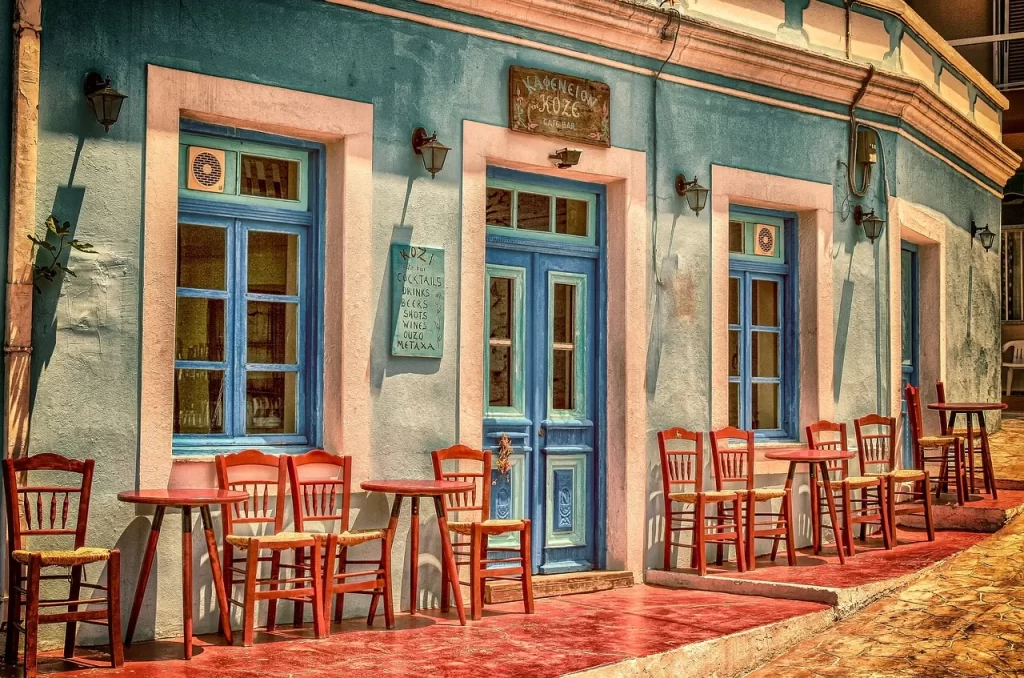
Greece, renowned for its Mediterranean climate, historic sites, and picturesque islands, is a popular destination for expatriates seeking a relaxed lifestyle, cultural richness, and natural beauty. From cosmopolitan Athens to idyllic islands and charming mainland towns, Greece offers a variety of living experiences. Understanding the quality of life in different regions is essential for planning long-term residence.
Quality of Life
Quality of Life in Favored Expat Areas in Greece
Athens
Athens, the capital, is ideal for expats seeking urban living, career opportunities, and cultural immersion.
- Community and Culture: Athens has a growing expat community, complemented by local residents. Museums, theaters, cultural festivals, and social clubs provide abundant opportunities for engagement.
- Lifestyle and Recreation: Residents enjoy historic neighborhoods, cafés, restaurants, shopping, and cultural attractions. Proximity to the sea allows weekend trips to beaches and coastal towns.
- Healthcare and Services: Athens hosts some of Greece’s best public and private hospitals, ensuring quality healthcare accessible to expatriates.
- Safety and Infrastructure: Most areas of Athens are considered safe, with reliable utilities, internet, and modern transportation infrastructure supporting urban living.
Thessaloniki
Thessaloniki, in northern Greece, offers a mix of urban culture and a slower Mediterranean pace.
- Community and Culture: Thessaloniki has a welcoming expat population and a vibrant local culture, with festivals, music events, and social activities. English is widely understood in expat circles.
- Lifestyle and Recreation: Life includes strolling along the waterfront, exploring historic sites, enjoying local cuisine, and participating in cultural and social events.
- Healthcare and Services: The city has quality public and private healthcare facilities accessible to expatriates.
- Safety and Infrastructure: Thessaloniki is generally safe, with well-developed utilities, transport, and internet infrastructure.
Crete (Chania, Heraklion)
Crete attracts expats seeking a relaxed lifestyle, natural beauty, and warm climate.
- Community and Culture: Crete has active expat communities integrated with local life. Cultural festivals, local markets, and traditional celebrations enhance social engagement.
- Lifestyle and Recreation: Outdoor activities such as hiking, swimming, sailing, and exploring historic villages dominate life on the island. The Mediterranean diet and wellness-focused living are central to daily routines.
- Healthcare and Services: Local hospitals and clinics provide routine and emergency care, with specialized services available in larger towns.
- Safety and Infrastructure: Crete is considered very safe, with reliable utilities, internet, and transportation supporting comfortable long-term living.
Cyclades and Dodecanese Islands (Santorini, Mykonos, Rhodes)
These islands appeal to expats seeking picturesque scenery, coastal living, and a slower pace.
- Community and Culture: Expat communities are smaller but closely integrated with locals. Social events, cultural festivals, and volunteer opportunities enhance life.
- Lifestyle and Recreation: Life focuses on beaches, sailing, diving, hiking, and wellness activities. The slower pace and scenic beauty support a balanced, relaxed lifestyle.
- Healthcare and Services: Basic healthcare is available locally, with larger hospitals on main islands or the mainland for advanced care.
- Safety and Infrastructure: These islands are generally safe, with essential utilities, internet, and transport services, though some remote areas may have limited infrastructure.
Key Factors Influencing Quality of Life
- Climate and Environment: Greece’s Mediterranean climate, sunny weather, and stunning landscapes support outdoor living, leisure, and wellness-focused lifestyles.
- Community and Lifestyle: Active expat networks, welcoming locals, and English-friendly environments make integration easier. Social, cultural, and recreational opportunities abound.
- Accessibility: International airports, ferries, and well-connected ports make travel within Greece and Europe convenient for expats.
- Pace of Life: Greece offers a range from bustling urban centers to tranquil islands, allowing expatriates to select a pace of living that suits their lifestyle.
Review
Greece provides a high-quality lifestyle for expatriates who value culture, natural beauty, and a Mediterranean way of life. Whether in Athens, Thessaloniki, Crete, or the Cyclades, expats can enjoy modern amenities, quality healthcare, outdoor recreation, and welcoming communities. With reliable infrastructure, abundant leisure opportunities, and a warm climate, Greece remains one of Europe’s most desirable destinations for retirees, remote workers, and long-term residents seeking comfort, adventure, and scenic charm.
Pros & Cons
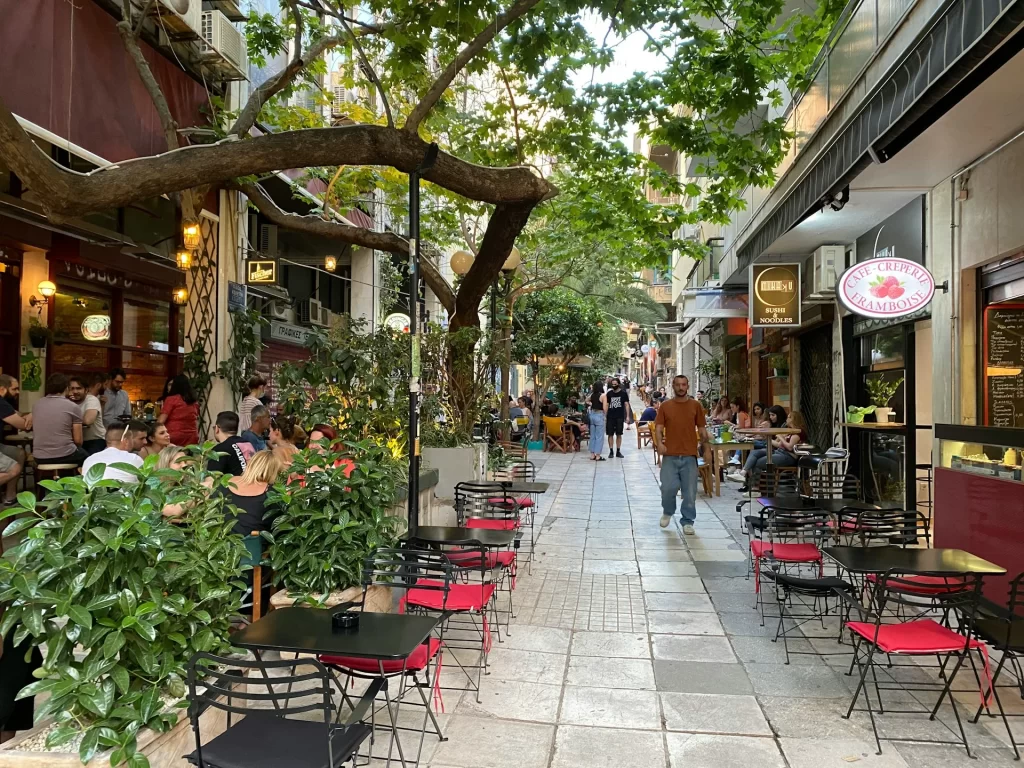
Greece, with its Mediterranean climate, rich history, and stunning islands, attracts expatriates seeking a relaxed lifestyle, cultural immersion, and natural beauty. While many aspects of living in Greece are appealing, it is important to consider both advantages and potential challenges before relocating.
Pros & Cons
Pros and Cons of Relocating to Expat-Favored Areas in Greece
Pros of Relocating to Greece
- Mediterranean Climate and Scenic Beauty
- Greece offers warm, sunny summers and mild winters, with beautiful beaches, islands, and mountainous landscapes.
- Popular expat areas like Athens, Thessaloniki, Crete, and the Cyclades provide access to both urban amenities and natural beauty.
- Greece offers warm, sunny summers and mild winters, with beautiful beaches, islands, and mountainous landscapes.
- Rich Culture and Lifestyle
- Greece has a rich cultural heritage, with ancient history, traditional festivals, and vibrant culinary traditions.
- Local cuisine, outdoor dining, and social lifestyle contribute to a relaxed, enjoyable pace of life.
- Greece has a rich cultural heritage, with ancient history, traditional festivals, and vibrant culinary traditions.
- Affordable Cost of Living in Many Areas
- Compared to much of Western Europe, living costs can be lower, especially outside major tourist hubs.
- Housing, groceries, and services are often affordable in smaller towns and rural areas.
- Compared to much of Western Europe, living costs can be lower, especially outside major tourist hubs.
- Modern Infrastructure in Urban and Popular Expat Areas
- Cities and expat-favored towns offer reliable utilities, high-speed internet, healthcare facilities, and transport options.
- International airports and ferries facilitate easy travel within Greece and Europe.
- Cities and expat-favored towns offer reliable utilities, high-speed internet, healthcare facilities, and transport options.
- Welcoming Expat Communities
- Established expat networks exist on many islands and in cities, providing social support, networking opportunities, and cultural exchange.
- Established expat networks exist on many islands and in cities, providing social support, networking opportunities, and cultural exchange.
- Healthcare Access
- Public and private healthcare systems provide quality care, with private clinics and hospitals available in urban centers.
- English-speaking medical staff are often available in expat hubs.
- Public and private healthcare systems provide quality care, with private clinics and hospitals available in urban centers.
Cons of Relocating to Greece
- Economic and Bureaucratic Challenges
- Navigating residency permits, work visas, and local bureaucracy can be time-consuming and complex.
- Economic fluctuations and limited job opportunities may affect expatriates seeking employment.
- Navigating residency permits, work visas, and local bureaucracy can be time-consuming and complex.
- Language Barrier
- While English is widely spoken in tourist and expat areas, learning Greek is important for full integration and daily life outside these zones.
- While English is widely spoken in tourist and expat areas, learning Greek is important for full integration and daily life outside these zones.
- High Cost of Living in Popular Tourist Areas
- Islands and major tourist destinations can have higher housing costs and more expensive goods and services.
- Seasonal demand can affect rental prices and availability.
- Islands and major tourist destinations can have higher housing costs and more expensive goods and services.
- Limited Job Opportunities for Expats
- Employment for foreigners is restricted, and fluency in Greek is often required.
- Many expats rely on pensions, remote work, or investments rather than local employment.
- Employment for foreigners is restricted, and fluency in Greek is often required.
- Seasonal Crowds and Tourism
- Popular islands and coastal towns can become crowded during peak tourist season, affecting housing, transportation, and services.
- Popular islands and coastal towns can become crowded during peak tourist season, affecting housing, transportation, and services.
- Infrastructure Limitations in Remote Areas
- Rural villages and smaller islands may experience less reliable electricity, water, and internet services.
- Rural villages and smaller islands may experience less reliable electricity, water, and internet services.
Review
Relocating to Greece offers a combination of Mediterranean climate, natural beauty, rich culture, and relaxed lifestyle. Expat-favored areas such as Athens, Thessaloniki, Crete, and the Cyclades provide access to modern amenities, healthcare, and active expat communities. However, bureaucracy, language barriers, higher costs in tourist areas, and seasonal tourism are important considerations. Careful planning, cultural adaptation, and selecting the right location can help expatriates enjoy Greece’s stunning landscapes, vibrant culture, and welcoming communities while minimizing potential challenges.
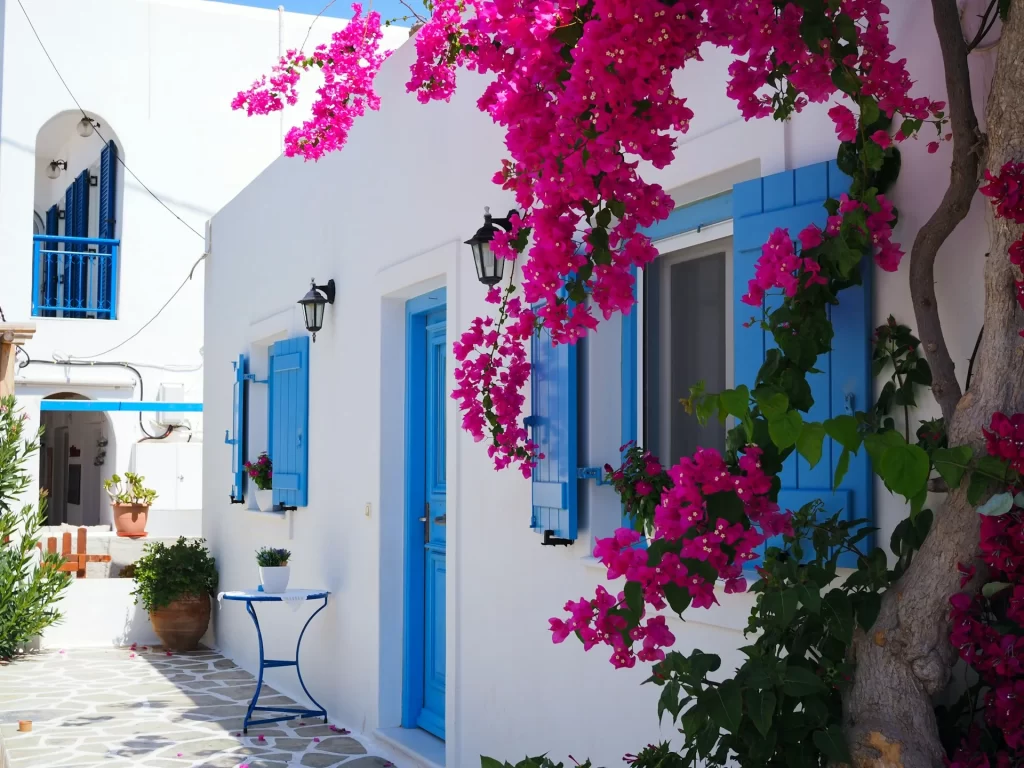
Residency & Visas
With its sunlit islands, classical heritage, and relaxed Mediterranean pace, Greece has become one of Europe’s most alluring destinations for expatriates. Whether you’re drawn to the vibrant culture of Athens, the calm of Crete, or the island life of Santorini, Greece offers both beauty and opportunity. Understanding the country’s visa and residency options is essential for anyone planning to make their stay more permanent.
Residency & Visas
Residency and Visa Options in Greece: A Guide for Expats
Short-Stay and Tourist Visas
As a member of the Schengen Area, Greece allows citizens of most Western nations—including the U.S., U.K., Canada, and Australia—to enter visa-free for up to 90 days within a 180-day period. This is ideal for those exploring different regions or preparing for a longer relocation. Travelers who require a visa can apply for a Schengen short-stay visa, valid for similar durations. Longer stays, however, require a residence visa and permit.
Residency for EU and Non-EU Nationals
Residency requirements in Greece vary between EU/EEA citizens and non-EU nationals:
- EU/EEA Citizens: Have the right to live and work freely in Greece. Stays beyond three months require registration with local authorities to obtain a residence certificate.
- Non-EU Nationals: Must first obtain a long-stay visa (Type D) from a Greek consulate, which allows entry to Greece for the purpose of applying for a residence permit. The residence permit type depends on the reason for stay—retirement, investment, work, or study.
Long-Term Residency Pathways
Greece offers several residence permit categories designed to attract investors, retirees, and professionals:
- Golden Visa Program: One of Europe’s most popular residency-by-investment options, the Greek Golden Visa grants residency to non-EU nationals who invest at least €250,000 in real estate (rising to €400,000–€500,000 in certain areas as of recent updates). The visa covers the applicant’s family and provides renewable five-year residency with a pathway to permanent residence and citizenship.
- Financially Independent Person Visa: Aimed at retirees or individuals with steady income from abroad, this visa requires proof of sufficient financial means—currently a minimum of €2,000 per month in passive income, plus additional amounts for dependents. It allows residence without employment in Greece.
- Digital Nomad Visa: Introduced in 2021, this visa allows remote workers earning at least €3,500 per month to live and work from Greece for up to one year, renewable. It’s an excellent option for freelancers and remote professionals who want to enjoy Mediterranean life while working for foreign employers.
- Employment and Business Visas: Those offered a job by a Greek employer or planning to establish a company may apply for work-related residence permits, subject to standard labor and immigration regulations.
- Family Reunification Permits: Available to spouses and immediate family members of Greek citizens or legal residents.
Permanent Residency and Citizenship
After five years of continuous legal residence, expats may apply for permanent residency, provided they have maintained valid permits and can show financial stability and integration. Citizenship is possible after seven years of residence (or sooner under certain circumstances, such as marriage to a Greek citizen). Applicants must demonstrate knowledge of Greek language, history, and culture.
Life as a Resident Expat
Greece offers a unique blend of history, hospitality, and natural beauty. While bureaucracy can be challenging at times, the country rewards residents with an exceptional lifestyle—fresh Mediterranean cuisine, a low cost of living outside major cities, and access to some of Europe’s most stunning landscapes. Healthcare and infrastructure have improved significantly, and the expat community continues to grow in both urban centers and island regions.
Review
For expatriates seeking an affordable and inspiring life in the Mediterranean, Greece offers a wealth of opportunity. With flexible visa options for investors, retirees, and remote professionals, the country has made it easier to establish a home amid its islands and ancient cities. Whether your goal is to enjoy seaside simplicity or participate in Greece’s dynamic cultural revival, the country’s residency pathways provide a gateway to a truly enriching way of life.
Healthcare
Greece, with its Mediterranean climate, historic cities, and stunning islands, is a top destination for expatriates seeking a relaxed lifestyle, cultural richness, and scenic beauty. Healthcare is a key consideration for retirees and long-term residents. Greece offers a combination of public and private healthcare services, with quality and accessibility varying by region. Understanding healthcare in favored expat areas is essential for safe and comfortable living.
Healthcare
Healthcare in Favored Expat Areas in Greece
Athens
Athens, the capital, provides the most comprehensive healthcare infrastructure in the country.
- Facilities and Services: The city has numerous public and private hospitals, including Attikon University Hospital and Hygeia Hospital. These institutions provide general care, emergency services, and specialist treatments.
- Private Healthcare: Private hospitals offer international-standard care, shorter wait times, and English-speaking staff. Many expatriates rely on private care for routine and specialized treatments.
- Access and Convenience: Pharmacies are widely available and stocked with both local and imported medications. Diagnostic and treatment facilities are modern and reliable.
Thessaloniki
Thessaloniki, the second-largest city, is popular with expatriates seeking a mix of urban living and cultural experiences.
- Facilities and Services: Public hospitals provide general care and emergency services, while private clinics cater to expatriates with faster service and specialist consultations.
- Private Healthcare: English-speaking staff and modern private facilities ensure reliable care for routine and moderate medical needs.
- Access and Convenience: Pharmacies are widely accessible. Complex procedures may require travel to Athens for advanced treatment.
Crete (Heraklion, Chania)
Crete attracts expats seeking a slower pace of life, scenic landscapes, and a Mediterranean lifestyle.
- Facilities and Services: Local hospitals provide general medical care and emergency services. Private clinics cater to expatriates in major towns like Heraklion and Chania.
- Private Healthcare: English-speaking private practitioners provide routine checkups, dental care, and minor procedures.
- Access and Convenience: For highly specialized treatments, travel to Athens or Thessaloniki may be necessary. Pharmacies are readily available.
Greek Islands (Rhodes, Corfu, Santorini, Mykonos)
Expat communities on the islands enjoy scenic living, tourism-focused amenities, and a relaxed lifestyle.
- Facilities and Services: Local hospitals and clinics provide general care, minor emergencies, and routine treatments. Larger hospitals are available on major islands.
- Private Healthcare: Private clinics serve expatriates with English-speaking staff, particularly in tourist and expat-heavy areas.
- Access and Convenience: Complex procedures often require travel to Athens or Thessaloniki. Pharmacies and basic medical services are accessible locally.
Key Factors Influencing Healthcare Quality
- Public vs. Private Care: Greece’s public healthcare system provides broad coverage, while private hospitals and clinics offer faster service, higher comfort, and English-speaking staff.
- Access to Specialists: Specialized care is concentrated in Athens, Thessaloniki, and select large islands. Expats in smaller islands may need to travel for advanced treatment.
- Medical Insurance: Comprehensive private health insurance is recommended, covering private care and potential travel for specialized treatments.
- Emergency Services: Emergency response is reliable in urban centers and major islands, but smaller or remote islands may require transport to larger facilities for serious cases.
Review
Greece offers a high-quality healthcare system for expatriates, particularly in Athens, Thessaloniki, Crete, and major islands like Rhodes and Corfu. Private hospitals and clinics provide international-standard care, while public facilities ensure accessibility for routine and emergency services. Expats in smaller or remote islands should plan for specialized care and potential travel to larger cities. With proper insurance and awareness of local medical facilities, expatriates can enjoy a safe, healthy, and comfortable lifestyle in Greece while benefiting from its climate, culture, and scenic Mediterranean landscapes.
Safety & Security
Greece, with its Mediterranean climate, rich history, and stunning islands, is a popular destination for expatriates seeking coastal living, cultural immersion, and a relaxed lifestyle. Safety and security are important considerations for long-term residents, retirees, and seasonal expats. Understanding local crime trends, risk factors, and practical precautions ensures a secure and enjoyable stay.
Safety & Security
Safety and Security in Favored Expat Areas in Greece
Athens
Athens, the capital, is a hub for culture, commerce, and urban living.
- Crime Overview: Athens experiences petty theft, pickpocketing, and occasional burglary, particularly in crowded areas and tourist districts. Violent crime is relatively rare in expatriate neighborhoods.
- Safety Measures: Many expats live in secure apartments or gated communities in safer districts such as Kolonaki or Kifisia. Avoiding poorly lit areas, staying vigilant in crowded public spaces, and using licensed taxis or rideshare services enhances safety.
- Emergency Services: Hospitals and clinics are widely available, with emergency services generally reliable in urban areas.
Thessaloniki
Thessaloniki attracts expatriates seeking urban amenities, cultural richness, and a Mediterranean lifestyle with a smaller-city feel.
- Crime Overview: Petty theft and opportunistic crimes are the primary concerns in tourist-heavy areas. Violent crime is uncommon in expat-populated districts.
- Safety Measures: Gated apartments, neighborhood awareness, and personal vigilance help maintain security. Expats often engage with local communities to stay informed about safety updates.
- Emergency Services: Hospitals and clinics are accessible and well-equipped, with reliable emergency response.
Greek Islands (Crete, Rhodes, Corfu, Santorini, Mykonos)
The islands attract expats seeking scenic coastal living, tourism-driven communities, and a relaxed pace of life.
- Crime Overview: Petty theft may occur, particularly in tourist-heavy areas, but overall crime rates are low in expatriate-focused zones. Violent crime is rare.
- Safety Measures: Many expatriates live in gated communities, resort-style developments, or secure rental properties. Locking homes, monitoring visitors, and exercising common-sense precautions are recommended.
- Emergency Services: Medical facilities are available locally, with larger hospitals on major islands or the mainland for specialized treatments. Emergency transport may be necessary for remote locations.
Peloponnese and Mainland Coastal Towns
Regions like Nafplio, Kalamata, and other coastal towns appeal to expatriates seeking scenic living, cultural immersion, and quieter communities.
- Crime Overview: These areas have very low crime rates, particularly in small towns and expat-populated neighborhoods. Petty theft is occasional; violent crime is uncommon.
- Safety Measures: Standard precautions, such as locking doors and monitoring visitors, are generally sufficient. Local community networks often enhance security.
- Emergency Services: Local clinics provide routine care, with access to larger hospitals in regional centers for advanced treatments.
Key Factors Influencing Safety and Security
- Community Type: Gated communities, secure apartments, and expat-oriented neighborhoods provide the highest level of security.
- Local Awareness: Staying informed about local news, avoiding risky areas, and understanding local traffic and maritime safety regulations improves overall security.
- Natural Hazards: Greece is prone to occasional earthquakes and wildfires in summer. Preparedness and adherence to local advisories are important.
- Emergency Preparedness: Knowledge of nearby hospitals, clinics, and emergency contacts is essential, particularly on islands and remote towns.
Review
Expatriates in Greece can enjoy a safe and secure lifestyle by choosing well-serviced towns, secure communities, and popular island destinations. Urban centers like Athens and Thessaloniki require situational awareness, while smaller towns and islands generally offer lower crime rates. Understanding local risks, maintaining vigilance, and preparing for natural hazards ensures a comfortable and enjoyable experience in Greece’s Mediterranean paradise.
Climate
Greece, with its Mediterranean islands, historic cities, and temperate climate, attracts expatriates seeking coastal living, cultural immersion, and a relaxed lifestyle. Understanding the climate, seasonal patterns, and humidity levels is essential for comfort, outdoor activities, and planning daily life.
Climate
Climate in Favored Expat Areas in Greece
Athens
Athens, the capital, is a cultural and economic hub with a sizable expatriate population.
- Temperature: Average daily highs range from 12°C (54°F) in winter to 33°C (91°F) in summer; average daily lows from 6°C (43°F) to 22°C (72°F).
- Humidity: Relative humidity averages 55–65%, higher during winter and rainy periods.
- Rainfall: Wet season is November–March, with occasional heavy rain; summer (June–September) is hot and dry.
- Notes for Expats: Air conditioning is commonly used in summer; mild winters make outdoor activities feasible year-round.
Thessaloniki
Thessaloniki appeals to expatriates seeking urban living with a milder Mediterranean climate.
- Temperature: Average highs 7°C (45°F) in January to 31°C (88°F) in July; lows −1°C (30°F) to 21°C (70°F).
- Humidity: Average humidity is 60–70%, slightly higher in winter.
- Rainfall: Most rainfall occurs in late autumn and winter; summers are mostly dry.
- Notes for Expats: Winter can be cool and damp; summer offers ideal conditions for outdoor and cultural activities.
Crete (Heraklion, Chania, Rethymno)
Crete attracts expatriates seeking beaches, cultural history, and a Mediterranean lifestyle.
- Temperature: Average highs 15°C (59°F) in winter to 31°C (88°F) in summer; lows 8–22°C (46–72°F).
- Humidity: Relative humidity averages 60–75%, highest in winter and early spring.
- Rainfall: Wet season is November–March; summer is warm, dry, and sunny.
- Notes for Expats: Coastal breezes reduce summer heat; mild winters allow for comfortable year-round living.
Cyclades Islands (Mykonos, Santorini, Naxos)
The Cyclades appeal to expatriates seeking island life, beaches, and a slower pace.
- Temperature: Average highs 13°C (55°F) in winter to 30°C (86°F) in summer; lows 8–22°C (46–72°F).
- Humidity: Humidity averages 60–70%, lower than mainland due to strong sea breezes.
- Rainfall: Most rain falls from November–March; summers are dry and sunny.
- Notes for Expats: Sea breezes moderate heat, making summer comfortable for outdoor activities; winter is mild but wetter.
Key Climate Considerations for Expats
- Mediterranean Climate: Hot, dry summers and mild, wet winters define most of Greece.
- Humidity: Humidity is moderate, generally higher in winter and lower on islands due to coastal winds.
- Rainfall: Winter brings most of the annual rainfall, while summers are dry and sunny, ideal for outdoor living.
- Outdoor Lifestyle: Summer months are perfect for beach, boating, and outdoor dining; mild winters allow for hiking, sightseeing, and cultural activities.
Review
Expatriates in Greece can enjoy a warm Mediterranean climate with abundant sunshine, mild winters, and pleasant sea breezes. Urban centers like Athens and Thessaloniki require occasional preparation for wet winters, while islands such as Crete and the Cyclades provide ideal conditions for outdoor and coastal living most of the year. Understanding temperature, humidity, and rainfall patterns ensures comfort and maximizes enjoyment of Greece’s scenic and culturally rich environment.
Infrastructure & Amenities
Greece, with its Mediterranean coastline, historic cities, and scenic islands, attracts expatriates seeking a relaxed lifestyle, cultural richness, and access to modern conveniences. Understanding local infrastructure and available amenities is essential for comfort, daily living, and long-term relocation planning.
Infrastructure & Amenities
Infrastructure and Amenities in Favored Expat Areas in Greece
Athens and Attica
Athens, the capital, and surrounding Attica region are popular with expatriates seeking urban living, cultural attractions, and modern services.
- Transportation: Athens has an extensive road network, metro system, buses, and trams. Eleftherios Venizelos International Airport provides international connections. Car ownership is common for suburban areas.
- Healthcare: Greece offers both public and private healthcare. Private hospitals and clinics in Athens provide high-quality medical services; English-speaking staff are often available.
- Utilities and Services: Reliable electricity, water, and high-speed internet are widely available. Mobile and landline services are robust.
- Shopping and Dining: Supermarkets, shopping malls, international restaurants, and local markets are abundant.
- Education: Several international schools and private institutions offer British, American, and bilingual curricula for expatriate families.
Thessaloniki and Northern Greece
Thessaloniki attracts expatriates seeking a cultural city with access to modern amenities and a more temperate lifestyle.
- Transportation: Well-maintained roads, public buses, and taxis serve the city. Thessaloniki Airport connects with Europe and domestic destinations.
- Healthcare: Private clinics and hospitals provide high-quality care; public hospitals are available but may have longer waiting times.
- Utilities and Services: Electricity, water, and internet are reliable; mobile coverage is widespread.
- Shopping and Dining: Grocery stores, shopping centers, restaurants, and cafes cater to expatriates; local markets offer fresh produce and seafood.
- Education: International and private schools are available, though options are fewer than in Athens.
Crete and Other Major Islands
Crete, Rhodes, Corfu, and other islands attract expatriates seeking coastal living, beaches, and a relaxed Mediterranean lifestyle.
- Transportation: Regional airports and ferry services connect islands with the mainland and each other. Roads are well-maintained in urban and tourist areas; car ownership is often necessary.
- Healthcare: Private clinics and hospitals provide routine care; major hospitals in larger cities handle specialized treatment.
- Utilities and Services: Electricity, water, and internet are generally reliable in towns; remote villages may experience occasional outages.
- Shopping and Dining: Supermarkets, restaurants, cafes, and local markets provide necessities and fresh local produce.
- Education: International and bilingual schools are limited; homeschooling may be used in more remote areas.
Key Infrastructure Considerations for Expats
- Transportation: Urban areas and islands have good roads and public transport; remote locations may require cars or ferries.
- Healthcare: High-quality private healthcare is available in cities and larger towns; specialized care may require travel.
- Utilities: Electricity, water, and internet are reliable in most urban and tourist areas; occasional outages may occur in remote regions.
- Shopping and Dining: Urban and tourist areas provide supermarkets, restaurants, and markets; smaller villages have more limited options.
- Education: International and bilingual schools are available in major cities; homeschooling is often used in remote or island areas.
Review
Expatriates in Greece can enjoy a combination of modern infrastructure, healthcare, education, and amenities while living in vibrant cities, scenic islands, or historic towns. Athens and Thessaloniki provide comprehensive services, while islands like Crete, Rhodes, and Corfu offer relaxed lifestyles with access to beaches, outdoor activities, and cultural experiences. Understanding transportation, healthcare, utilities, and educational options ensures comfort and convenience while enjoying Greece’s Mediterranean charm and welcoming expat communities.
General:
Location:
Mediterranean Sea
Sovereignty:
Independent
Capital:
Athens
Population:
9,928,844
Land Area (km2):
130,647
Population Density (km2):
77
Language:
Greek
Literacy %:
99.3
Poverty %:
27
Currency:
Euro
Indices:
GDP +/- Growth %:
+2.3
World IHDI Score:
0.825 (31/192)
World Gini Score:
33.4
Indices Detail
GDP +/- Growth % measures the annual growth rate of the country’s GDP.
World IHDI Score (Inequality-adjusted Human Development Index) reflects average achievements in health, education, and income, adjusted for inequality.
Country Rank (#/192) (1 = best for both scores)
World Gini Score is a measure of income inequality; 0 represents perfect equality and 100 maximal inequality.