
Seychelles
Seychelles
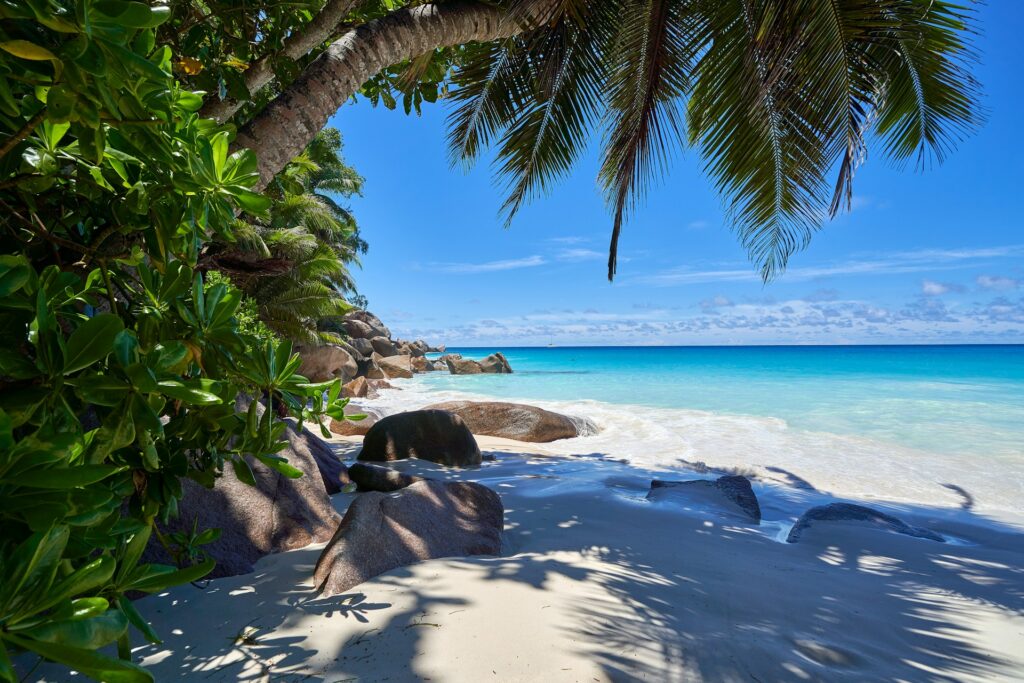
Welcome to the Seychelles, a pristine island nation where turquoise lagoons, granite peaks, and lush forests meet a relaxed island lifestyle. Comprising 115 islands scattered across the Indian Ocean, the Seychelles offers an idyllic blend of tropical beauty, safety, and exclusivity. From the lively capital of Mahé to tranquil Praslin and La Digue, the country’s diverse landscapes and welcoming culture make it a dream destination for those seeking serenity, stability, and connection with nature.
Expat Details
Life as a Resident Expat
Life in the Seychelles offers unparalleled natural beauty, safety, and tranquility. The islands have modern infrastructure, quality healthcare, and a relaxed pace of life. English, French, and Seychellois Creole are all official languages, making integration easy for most foreigners. The cost of living is relatively high due to import dependence, but quality of life, community, and access to pristine nature balance the expense.
- Mahé: The largest island and home to the capital, Victoria; offers a blend of urban convenience and pristine beaches such as Beau Vallon.
- Praslin: Known for Vallée de Mai nature reserve and quieter residential zones; popular with retirees seeking space and serenity.
- La Digue: Bicycle-friendly, slow-paced, and stunningly picturesque — ideal for those seeking simplicity.
- Eden Island: A man-made marina development with luxury homes and direct yacht access; attracts international investors.
- Silhouette & Denis Islands: Exclusive private island retreats, perfect for eco-conscious luxury living.
Review
The Seychelles epitomize the dream of island living — tranquil, safe, and surrounded by astonishing natural beauty. Though logistics and costs demand foresight, the rewards are unmatched: pristine beaches, warm communities, and a pace of life attuned to the ocean’s rhythm. For expats and retirees seeking privacy, sunshine, and a stable base within a vibrant Creole culture, Seychelles remains one of the world’s most desirable — and enduringly peaceful — island destinations.
Cost of Living
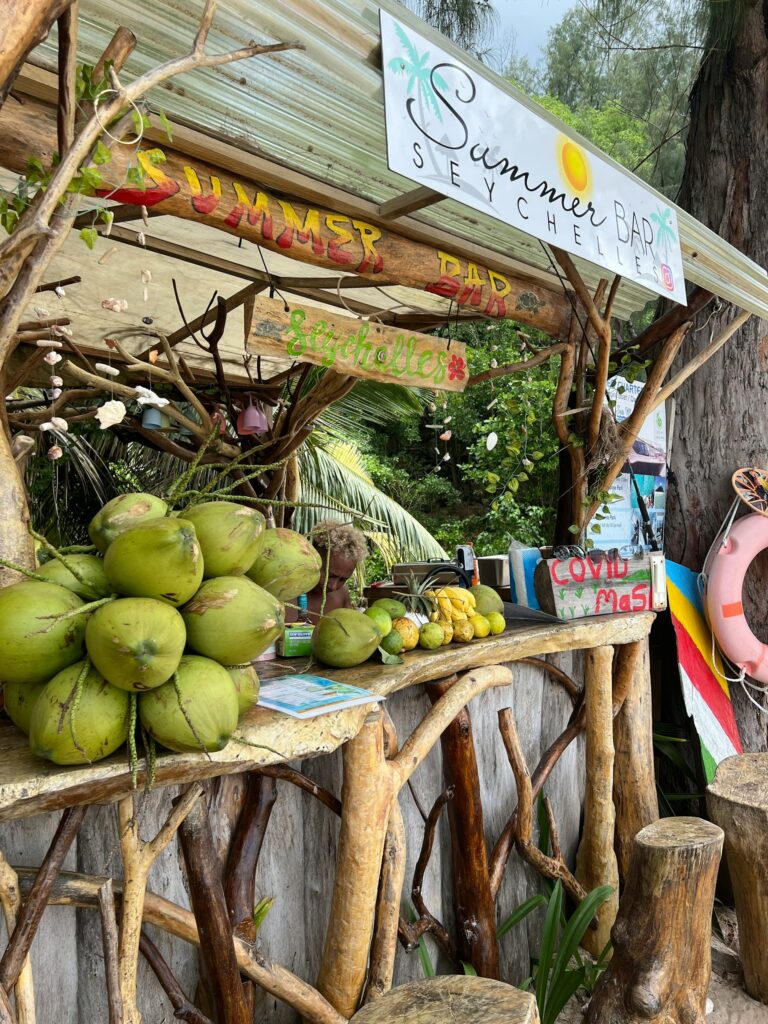
Living in paradise comes at a cost. While Seychelles offers one of the highest standards of living in Africa, its geographic isolation makes imports — from groceries to vehicles — relatively expensive. However, expats often find that lower daily stress, minimal commuting, and abundant natural beauty balance out the financial premium. Those who adapt to local markets and lifestyles can live comfortably without extravagance.
Cost of Living
- Housing: Rent varies widely by island — a one-bedroom apartment in Mahé may cost US$800–1,500 per month; luxury villas exceed US$3,000. Local-style homes in Praslin or La Digue are more affordable.
- Utilities: Electricity and water costs are moderate but can rise with air-conditioning use. Solar energy is increasingly common.
- Groceries: Imported goods are costly; local fish, fruits, and vegetables are affordable and excellent quality.
- Dining & Leisure: Mid-range restaurants average US$15–25 per meal; beach bars and takeaways are inexpensive.
- Transportation: Limited public transport; car rental or ownership is common. Ferry and inter-island flights add travel convenience.
Quality of life
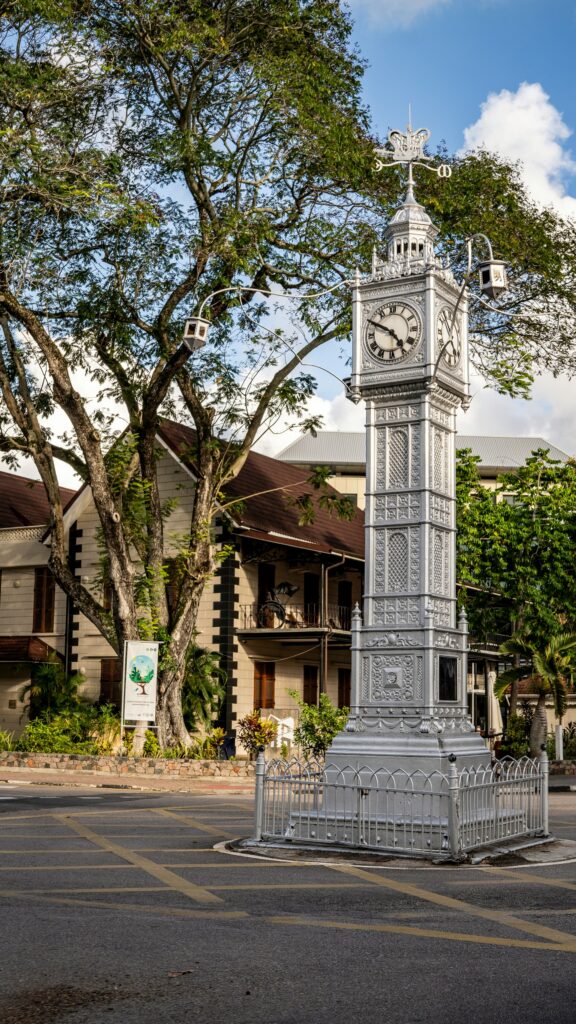
The Seychelles provides excellent quality of life through its combination of safety, low crime, and natural surroundings.
The Seychelles revolves around the sea, sunshine, and simplicity. Days unfold at a relaxed pace, with emphasis on health, family, and the outdoors. Crime is low, pollution is minimal, and the islands’ multicultural society is open and welcoming. While the small population limits certain amenities found in larger countries, most expats view the slower rhythm as part of Seychelles’ enduring appeal.
Quality of Life
- Safety: One of the safest nations in Africa, with low crime rates and stable governance.
- Community: Friendly, diverse, and inclusive; expats often integrate easily through business or volunteering.
- Leisure: Diving, sailing, fishing, and hiking dominate local recreation. Beaches are public and uncrowded.
- Culture: Creole traditions blend African, European, and Asian influences — reflected in cuisine, music, and festivals.
- Environment: Exceptional natural beauty, strict conservation laws, and UNESCO World Heritage sites like Vallée de Mai.
- Work-Life Balance: Island life encourages leisure and personal wellbeing over material excess.
- Infrastructure: Reliable electricity, potable water, and good telecommunications, especially on Mahé and Praslin.
- Transportation: Inter-island travel by ferry or short domestic flights; public transport is affordable and efficient.
- Education: Several private and international schools offer English-language curricula for expat families.
Pros & Cons
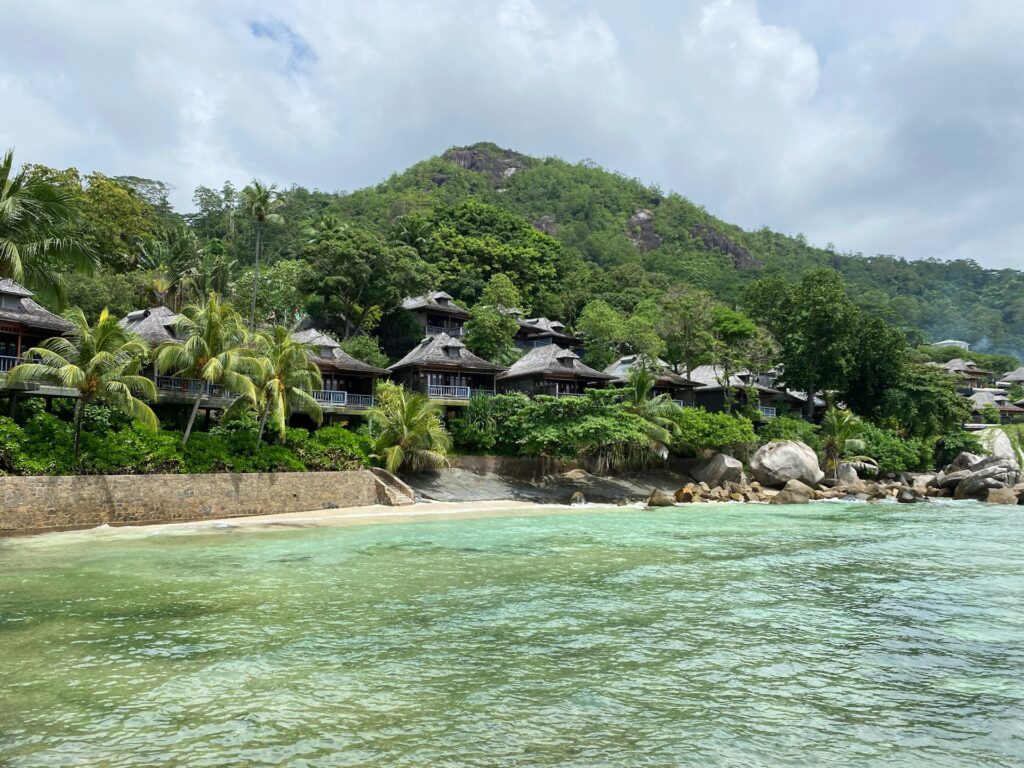
Seychelles offers a life of rare beauty and tranquility, with political stability and strong environmental stewardship. Yet island life also comes with limitations — distance, higher costs, and slower administrative processes.
Pros & Cons
Pros
- Stunning Natural Beauty: Pristine beaches, coral reefs, and national parks make daily life feel like a holiday.
- Safety and Stability: Low crime, political stability, and friendly locals.
- Multilingual and Welcoming: English, French, and Creole widely spoken; easy social integration.
- High Quality of Life: Clean environment, modern amenities, and excellent air and sea quality.
- Investment and Residency Opportunities: Clear pathways for investors and professionals.
Cons
- High Cost of Living: Most goods are imported, raising prices on food, fuel, and building materials.
- Limited Healthcare Outside Mahé: Advanced treatments may require travel abroad.
- Small Job Market: Work permits are selective; many expats rely on remote income.
- Geographical Isolation: Airfare and shipping costs are significant; limited flight routes.
Residency & Visas
The Seychelles offers expatriates an inviting combination of tropical living, safety, and modern infrastructure within a stable political environment. Residency options are available for retirees, investors, professionals, and long-term visitors wishing to settle in this island paradise.
Residency & Visas
Short-Stay and Tourist Visas
Citizens of most countries enjoy visa-free entry to the Seychelles for up to 90 days, extendable for an additional three months. Visitors must show proof of accommodation, sufficient funds, and a return or onward ticket. There is no need to apply in advance—entry clearance is granted upon arrival.
Residency Options
While Seychelles maintains tight immigration controls to preserve its environment and population balance, it offers several legitimate pathways for long-term stays:
- Permanent Residence Permit (PRP): Available to expatriates who have lived in the Seychelles for at least five years and contributed significantly to the economy. Applicants must demonstrate financial stability and good character.
- Resident Permit: Granted to individuals who can support themselves without local employment. Applicants must deposit a significant sum (often around USD 150,000 or more) in a local bank and maintain a Seychellois residence.
- Gainful Occupation Permit (GOP): Required for foreign nationals seeking employment or self-employment. The GOP ties residency to specific work or business activities.
- Investor Permit: Issued to foreign investors establishing or managing a Seychellois business that contributes meaningfully to the national economy. Minimum investment requirements vary by sector.
- Retirement Residency: While not a formal program like some nations offer, retirees can reside long-term via renewable Resident Permits if they can show sufficient private income or pension funds.
Permanent Residency and Citizenship
After continuous legal residence of five years or more—and demonstration of financial independence, good conduct, and integration—expatriates may apply for permanent residence. Citizenship by naturalization typically requires ten years of residence and proof of ties to the country, including local investment or marriage to a Seychellois citizen. Dual citizenship is recognized.
Healthcare
The Seychelles offers universal healthcare to residents and citizens, with services centered around public hospitals and clinics.
Healthcare
- Public Healthcare: Government facilities provide free or low-cost care, including the main Seychelles Hospital in Victoria.
- Private Healthcare: Private clinics offer faster service and international-standard care, though costs are higher.
- Medical Insurance: Comprehensive private insurance is strongly recommended for expatriates, particularly for specialized care or medical evacuation.
Emergency Services: Reliable in Mahé; remote islands may require air or boat transfer to the capital.
Safety & Security
The Seychelles is one of the safest nations in Africa. Violent crime is exceedingly rare, and petty theft is limited to tourist areas. A visible police presence and strong community spirit foster a reassuring sense of security for both residents and visitors.
Safety & Security
- Crime: Minimal; most residents leave homes unlocked.
- Community: Respectful and family-oriented.
- Emergency Services: Reliable and accessible on all main islands.
- Natural Risks: Occasional heavy rains and coastal flooding; outside cyclone belt.
- Political Stability: Strong governance and transparent institutions.
Climate
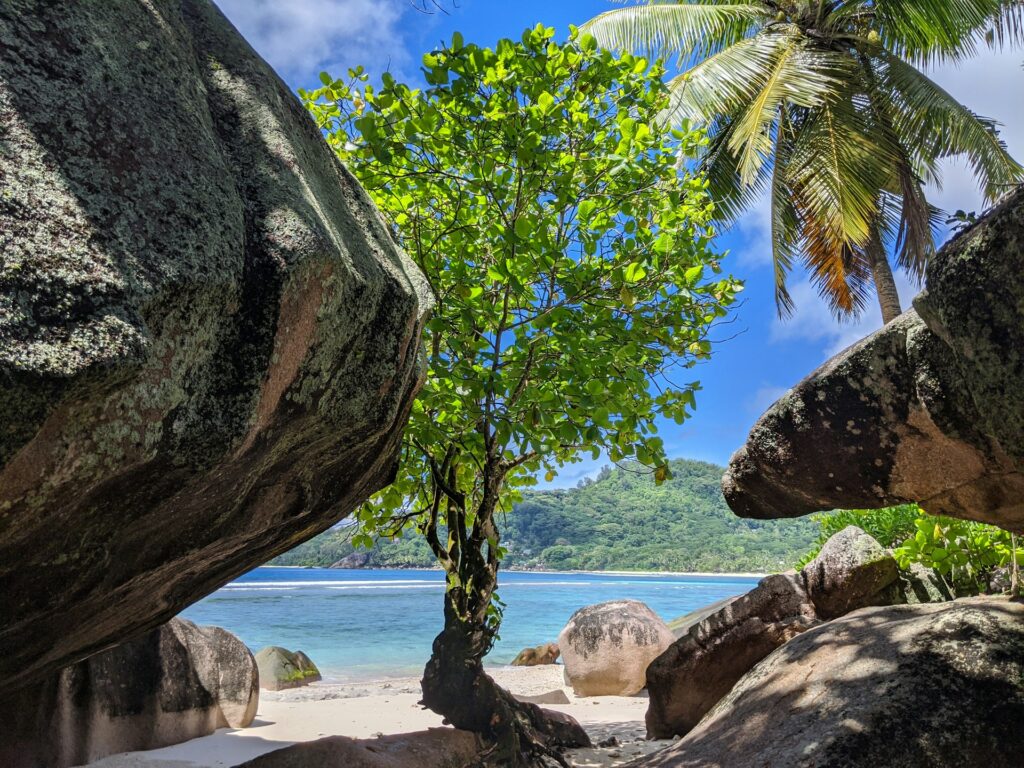
Seychelles enjoys a warm tropical climate year-round, with only minor seasonal variations. Temperatures remain steady, and sea breezes moderate the heat. Two monsoon seasons bring alternating patterns of wind and rainfall, but the islands lie safely outside the main hurricane zone.
Climate
- Temperature: Highs range from 27–31°C (81–88°F); lows 24–27°C (75–81°F).
- Rainfall: The wet season runs from November to March (humid with tropical showers); the dry season (May–October) offers cooler, breezier conditions.
- Humidity: Typically 75–85% year-round.
- Best Months: April, May, October, and November offer calm seas and ideal diving conditions.
- Notes for Expats: The dry season is ideal for outdoor activities, while the wet season brings lush greenery and calmer seas on western coasts.
Infrastructure & Amenities
Despite its small size, Seychelles provides solid infrastructure, modern communications, and a growing digital economy. Roads, ports, and airports are well-maintained, and most services are concentrated on Mahé, where the capital, Victoria, functions as the administrative and commercial hub.
Infrastructure & Amenities
- Transport: Good road networks on main islands; ferries and short flights connect Mahé, Praslin, and La Digue.
- Utilities: Reliable electricity and water supply; renewable energy initiatives expanding.
- Telecommunications: High mobile coverage and improving broadband speeds.
- Banking & Commerce: Modern, stable financial sector; foreign accounts permitted.
- Education: Public and private schools, with English and French as main languages of instruction.
General:
Location:
Southern Indian Ocean
Sovereignty:
Independent
Capital:
Victoria
Population:
132,779
Land Area (km2):
459
Population Density (km2):
289
Language:
Seychellois Creole, French
Literacy %:
96.2
Poverty %:
25.3
Currency:
Seychellois Rupee
Indices:
GDP +/- Growth %:
+3.5
World IHDI Score:
0.755 (49/192)
World Gini Score:
32.1
Indices Detail
GDP +/- Growth % measures the annual growth rate of the country’s GDP.
World IHDI Score (Inequality-adjusted Human Development Index) reflects average achievements in health, education, and income, adjusted for inequality.
Country Rank (#/192) (1 = best for both scores)
World Gini Score is a measure of income inequality; 0 represents perfect equality and 100 maximal inequality.