
France
France
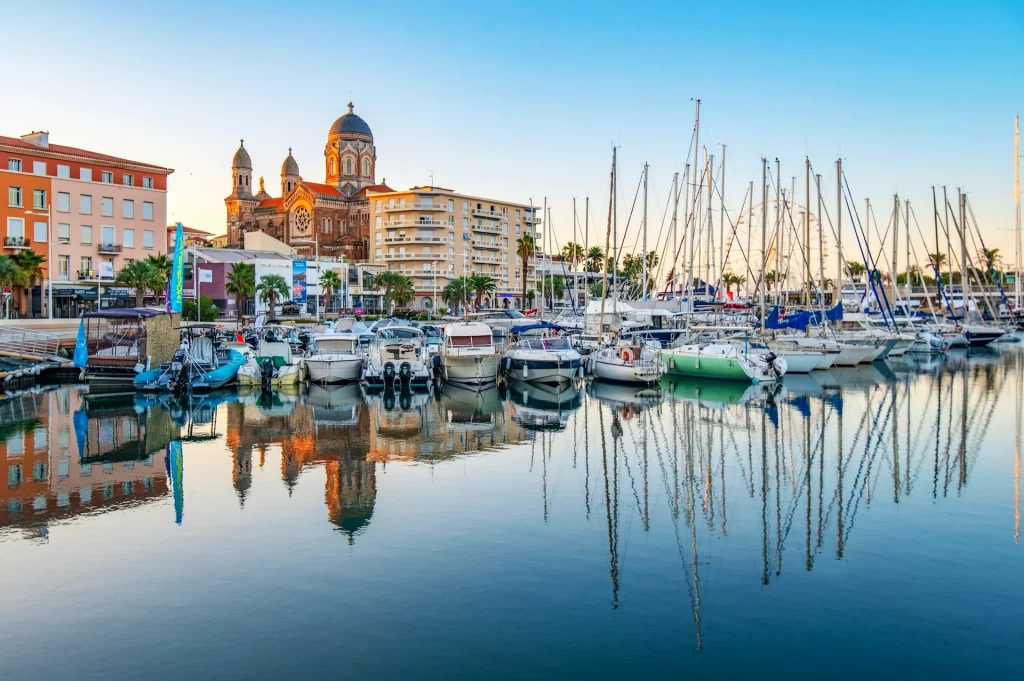
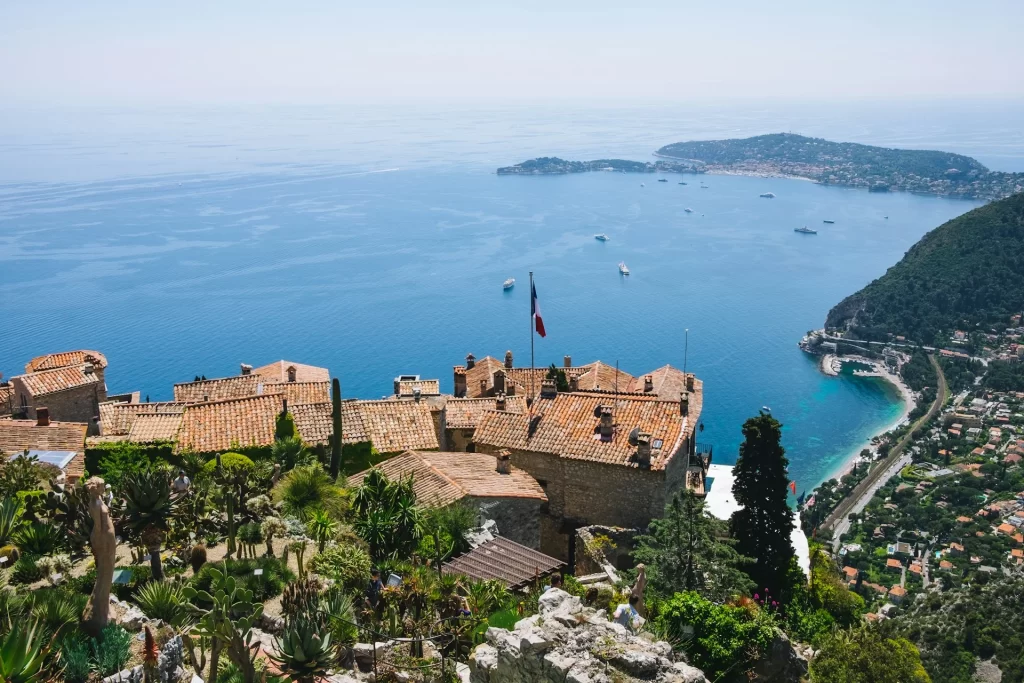
Welcome to France — a country where centuries of art, food, and seaside tradition meet a refined modern life. From the sun-bathed promenades of the Côte d’Azur to the windswept cliffs of Brittany and the long sandy beaches of the Atlantic, France’s coastline offers a remarkable palette of climates, cultures, and coastal lifestyles. Imagine morning markets piled with fresh seafood, lavender-scented hinterlands within a short drive, and afternoons spent sailing or strolling historic harbors. For expats and retirees seeking coastal living, France pairs excellent public services and transport with distinct regional identities, making it possible to choose anything from a cosmopolitan Riviera base to an off-season village where the sea rules the calendar.
Expat Details
PRACTICAL CHECKLIST FOR COASTAL RELOCATION — FRANCE
- Visit in different seasons to evaluate year-round life (peak summer vs quiet winter).
- Identify preferred coastline (Mediterranean, Atlantic, Northern) and sample local towns.
- Confirm residency pathway and documentation — long-stay visas, proof of funds, health insurance.
- Arrange French-language support for legal, notaire and municipal interactions during purchase.
- Check local hazard maps, shoreline regulations and flood-risk plans before buying waterfront property.
- Verify broadband speeds, ferry schedules and emergency service proximity for islands or remote peninsulas.
- Budget for local taxes (taxe foncière), insurance, and seasonal maintenance costs for coastal properties.
Review
France’s coastlines deliver a spectacular range of lifestyles — sun-drenched glamour on the Riviera, surf culture and maritime heritage on the Atlantic, and historic charm in the north and on islands. For expatriates and retirees, the nation’s strengths — excellent healthcare, rich culture, superb cuisine and robust infrastructure — combine with regionally specific considerations such as seasonality, language and regulatory specifics. With careful planning, local guidance and an appreciation of regional differences, coastal France can offer a deeply rewarding and sustainable new home.
KEY RESOURCES & NEXT STEPS
- French government portals for visas and long-stay procedures.
- Local mairie (town hall) and préfecture for municipal planning and residency registration.
- Notaires and local real-estate professionals for property due diligence and shoreline rules.
- Regional health agencies (ARS) and CPAM for healthcare registration and Carte Vitale guidance.
Cost of Living
Cost of living in coastal France varies dramatically by region, reflecting tourism demand, local wages, and connectivity. The French Riviera (Côte d’Azur) and some western resort towns command premium prices for property, dining, and services — especially during high season — while many Atlantic and northern coastal areas remain comparatively affordable. Beyond headline rent or purchase prices, living costs include local taxes, utilities (heating in cooler coastal zones), transport and travel connectivity to larger medical centres, and the seasonal premiums charged on small islands and tourist towns. For families and retirees, understanding these nuance elements is essential when comparing seaside locales.
Cost of Living
Housing and property
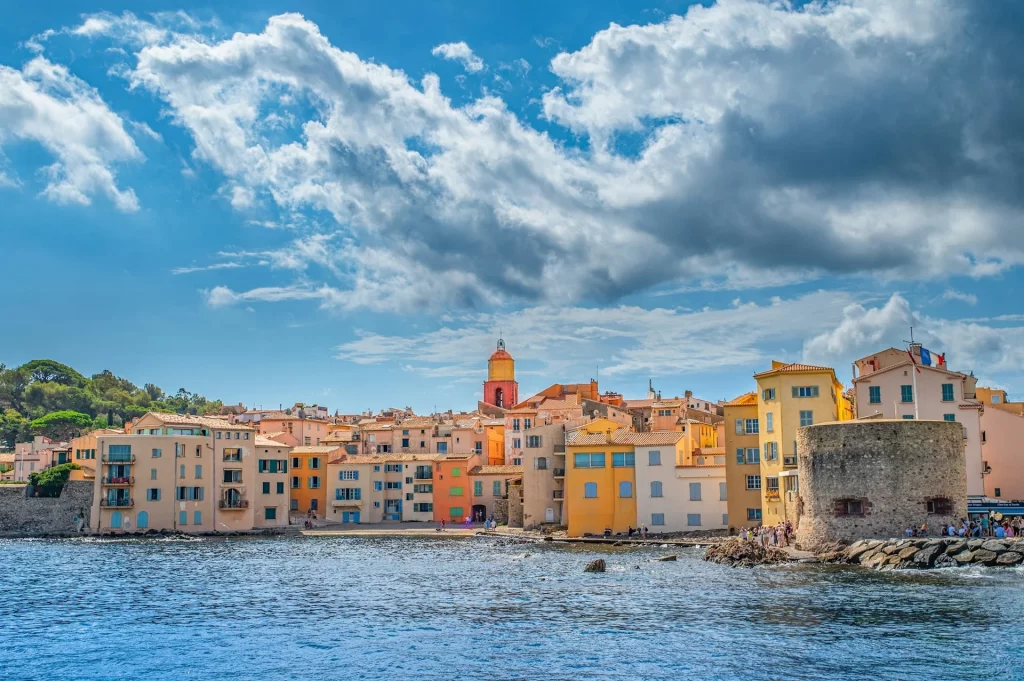
- French Riviera (Nice, Antibes, Cannes, Saint-Tropez): Among Europe’s most expensive coastal markets; buying and renting near the seafront can be costly. Expect premium pricing for sea views, concierge buildings and proximity to international airports.
- Atlantic coast (Bordeaux, Arcachon, La Rochelle, Biarritz): High demand in some towns (Arcachon, Biarritz) pushes prices up, but many smaller towns and departments offer better value than the Riviera.
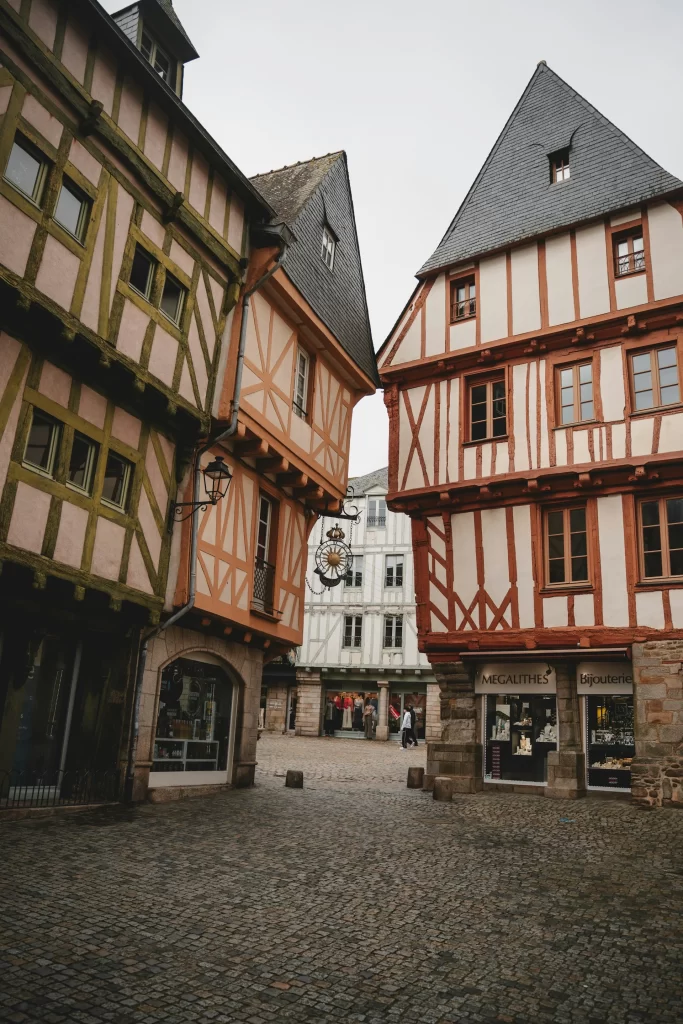
- Brittany & Normandy: More affordable coastal living with a mix of traditional stone homes and newer developments; rural seafront cottages can be excellent value for refurbishment projects.
- Islands (Corsica, Île de Ré, Île d’Oléron): Purchase prices are strong on desirable islands; seasonal rental income potential is high but so are maintenance and access costs.
Monthly costs and daily expenses - Rent (approximate ranges): One-bedroom city/coastal apartment: €700–€2,500+ depending on region and season. Coastal resort towns skew higher.
- Utilities & heating: Fuel and electricity bills vary by region and building efficiency; older stone houses require more heating in winter. Budget for €100–€250/month depending on size and season.
- Groceries & dining: Local markets supply excellent fresh seafood and produce; expect grocery bills similar to Western European norms (€250–€500/person/month depending on habits). Restaurant dining ranges widely — bistro meals €12–€30; fine dining considerably more.
Taxes & running costs - Local taxes: Property tax (taxe foncière) and residence tax (taxe d’habitation — phased out for many primary residences but still applicable in some contexts) are additional annual costs to consider.
- Insurance & maintenance: Coastal properties may require higher insurance premiums and maintenance allowances for salt, humidity and storm damage.
Quality of life
Quality of life on France’s coasts is rooted in the sensory pleasures of food, landscape and culture, combined with reliable public services and a strong emphasis on leisure. Coastal towns are centers for outdoor living — sailing, surfing, walking coastal paths and dining al fresco are daily pastimes. Municipal life often centers on markets, cafés and communal events, and many seaside towns maintain active cultural calendars year-round. For expats and retirees, France provides excellent healthcare, diverse schooling options, and a social fabric that rewards patience and local engagement.
Quality of Life
Community and social life
- Seasonality of social life: Coastal towns can be lively and international in summer but quieter and more local-focused in winter; many expats appreciate the slower off-season pace.
- Cultural offerings: Festivals, local markets, music and food events are common; regional specialties and traditions vary considerably between Mediterranean and Atlantic coasts.
Work-life balance and social supports - Work culture: French labor law provides substantial holiday allowances and worker protections; public holidays and local festivals shape the rhythm of coastal life.
- Family supports: Generous parental leave, public childcare systems (crèches) in larger towns and subsidized extracurricular programs for children make family life manageable.
Education and language. - Schools: Public schools (écoles publiques) are free for residents; bilingual and international schools are concentrated near large coastal cities such as Nice, Marseille and Bordeaux. Learning French significantly eases local integration and access to services.

Pros & Cons
Relocating to coastal France offers many rewards: world-class food culture, excellent healthcare, strong infrastructure, and a rich palette of lifestyles from luxe Riviera living to rugged Breton simplicity. Yet there are trade-offs — bureaucracy can be slow, language is essential outside tourist zones, and costs in prime coastal pockets are high. A careful comparison of personal priorities — walkable harbors and cultural life versus budget and quieter solitude — helps determine which coastline best suits a moving family or retiree.
Pros & Cons
Pros
- Culinary and cultural richness: Access to fresh seafood, regional wines and a dense calendar of cultural experiences.
- Strong public services: Healthcare, public transport and well-maintained public spaces are widely available.
- Diverse coastal ecosystems: From Mediterranean coves to Atlantic surf and rugged northern cliffs, plenty of outdoor variety.
- Good property market for holiday rental income in high-demand areas.
Cons
- Administrative complexity: Residency, taxes, and buying property come with paperwork and local rules that can be time-consuming.
- Seasonal crowds: Tourist congestion in summer increases prices and demand for local services.
- Language barrier: French is essential for dealing with officials, medical services and many local businesses outside major expat hubs.
- Climate & weather risks: Storm surges, coastal erosion in some areas, and occasional Mediterranean heatwaves are considerations.
Residency & Visas
FFrance provides several clear residency routes for retirees, skilled workers, investors and family members. EU/EEA/Swiss nationals enjoy freedom of movement. Non-EU nationals can access long-stay visas for retirees or visitors with sufficient means, work visas for sponsored employment, Talent and Investor routes for qualified professionals or business contributors, and family reunification options. The administrative process is formal and sometimes slow; proper documentation, proof of funds, and local registration after arrival are essential steps for settling in a coastal community.
Residency & Visas
Short-stay travel & visitor rules
- Schengen rules: Visitors from visa-exempt countries may stay up to 90 days in any 180-day period. Longer stays require a long-stay visa (visa de long séjour).
Long-stay & residency visa categories - Long-Stay Visitor Visa (Visiteur): For retirees or those who will not work in France; requires proof of stable income/savings and health insurance. Suitable for people seeking extended residency without employment ties.
- Work Visas & Talent Passport: Work permits can be employer-sponsored; the Talent Passport simplifies entry for researchers, skilled professionals, and certain investors. Income thresholds and contracts are carefully evaluated.
- Family Reunification: Spouses and dependent children of residents may apply to join and settle, subject to eligibility checks.
Property and investor routes - Property ownership: Buying property in France does not automatically grant residency, but investment may support visa applications in conjunction with other requirements. For significant business investment, some regions provide facilitation for residency.
Local registration & healthcare access. - After arrival: New residents must register locally, apply for a social security number (numéro de sécurité sociale) to access healthcare, and join the public health insurance (l’Assurance Maladie) system for long-term coverage.
Healthcare
France’s healthcare system is widely regarded as one of the best in the world — universal, comprehensive and accessible. Long-term residents who register with the French social security system gain coverage for most medical care, hospital treatment and specialist services. For expats, the combination of public coverage with optional complementary private “mutuelle” insurance is common, which reduces co-payments and speeds up access to certain services. Coastal residents should consider proximity to major hospitals or specialist centers when choosing a location.
Healthcare
Public healthcare mechanics
- Registration: Upon residence, applying for a social security number and Carte Vitale gives access to reimbursements for medical costs. The system reimburses a large portion of GP and hospital costs; patients usually pay upfront and are reimbursed, or use a doctor who bills directly.
- Complementary insurance (mutuelle): Recommended to cover remaining co-payments and services like dental, optical care and private hospital rooms.
Access in coastal areas - Regional hospitals: Major coastal cities (Nice, Marseille, Bordeaux, Nantes) have full-service hospitals and specialists. Smaller towns often have competent clinics and general practitioners but may refer complex cases to urban centres.
Private care & medical tourism. - Private clinics: Popular for elective surgery and shorter wait times; many expats use a mix of public and private providers. Consider travel time to specialist centres when living on islands or remote peninsulas.
Safety & Security
France’s coastal areas are generally safe and family-friendly, with well-resourced local police, emergency services and civil protection. Risks to consider vary by location: petty crime in tourist hotspots, occasional maritime incidents, and coastal hazards in exposed regions. Emergency services and search-and-rescue operations are professional and coordinated through national and local agencies, but response times can be longer in remote island communities. For property owners, coastal erosion and flood risks should form part of any due-diligence process.
Safety & Security
Crime & petty theft
- Tourist areas: Pickpocketing and opportunistic theft can be more common in high-traffic summer spots; usual precautions reduce risk.
- Local safety: Most coastal towns are safe, and communities are closely knit which supports neighborhood vigilance.
Natural hazards & coastal risks - Storms and floods: Atlantic coasts and some Mediterranean low-lying beaches may experience storm-driven flooding; hazard maps (plans de prévention des risques) are available at municipal town halls.
- Coastal erosion: Build and buy with expert advice — check local urban planning documents (PLU/PLUi) for shoreline restrictions and climate adaptation plans.
Climate
France’s coastal climates are richly varied, shaped by the Mediterranean warmth in the south, the Atlantic’s temperate influence in the west, and cooler maritime conditions in the north. These climatic differences govern lifestyle choices: whether you prefer the sun-soaked, long summers of Provence, the surfing-friendly Atlantic swells, or the brisk, sea-salted winds of Brittany. Understanding regional climate patterns helps expats choose locations suited to gardening, boating seasons, allergy considerations, and energy needs for winter heating.
Climate
Mediterranean coast (Côte d’Azur, Provence)
- Characteristics: Hot, dry summers often exceeding 28–32°C (82–90°F); mild, wet winters (8–15°C / 46–59°F). Low humidity in summer and abundant sunshine make this region popular with retirees and seasonal residents.
Atlantic coast (Bordeaux, Arcachon, La Rochelle, Brittany) - Characteristics: Temperate and maritime — cool to warm summers (18–25°C / 64–77°F), mild but wetter winters, and higher humidity. Atlantic swells make parts of the west coast world-class for surfing.
Northern coast & English Channel (Normandy, Picardy) - Characteristics: Cooler summers (15–22°C / 59–72°F), breezy and changeable weather, and higher rainfall; coastal cliffs and tidal ranges are notable features.
Corsica & island microclimates - Characteristics: Corsica mixes Mediterranean warmth with mountainous microclimates — inland elevation can produce cooler summer nights and snow in winter on high peaks. Islands have their own wind patterns and unique exposure to storms.
Practical considerations. - Seasonal planning: Summer tourism peaks affect local services and prices; off-season living offers quieter community life but may bring reduced services. Prepare for occasional extreme events (heatwaves in south; strong Atlantic storms in west) and consider appropriate home insulation, cooling or heating systems.
Infrastructure & Amenities
Infrastructure and amenities are key determinants of coastal livability and property value. France’s coastal cities generally provide excellent transport links — international airports, TGV rail services, ferry networks and well-maintained regional roads. Smaller towns and islands rely on ferries, regional flights and local bus services. Access to reliable broadband, hospitals and supermarkets are practical necessities that shape expat satisfaction. For real-estate professionals, properties close to transport nodes and amenities typically command higher year-round demand.
Infrastructure & Amenities
Transport & connectivity
- Air travel: Major coastal airports include Nice Côte d’Azur, Marseille Provence, Bordeaux-Mérignac, Nantes Atlantique and Brest; many offer international connections and seasonal routes.
- Rail & road: High-speed rail (TGV) links Mediterranean and Atlantic coasts to Paris and the rest of Europe, making many coastal towns day-trip accessible. Regional roads and motorways support car travel; tolls apply on many motorways.
- Ferries & island access: Regular services operate to Corsica and many Atlantic islands; schedules and winter frequency vary — verify year-round accessibility when considering island properties.
Digital infrastructure & utilities - Broadband: High-speed fibre coverage is expanding rapidly; urban coastal zones enjoy strong connectivity while remote islands may need alternative solutions (fibre to the mainland, fixed wireless, or satellite).
- Utilities & waste management: Water and power are reliable in towns; environmental regulations often increase infrastructure costs in protected coastal zones.
Local services & lifestyle amenities - Healthcare: Regional hospitals in coastal cities; clinics and GP practices in towns.
- Shopping & leisure: Local markets, seafood shops, marinas, and seasonal leisure businesses define coastal lifestyle offerings.
Planning & building regulations. - Shoreline rules: Municipal planning documents and environmental protections (e.g., coastal setback rules, Natura 2000 zones) govern waterfront construction; consult notaires and local urban planning for constraints.

General:
Location:
North Atlantic Ocean
Mediterranean Sea
Sovereignty:
Independent
Capital:
Paris
Population:
66,683,484
Land Area (km2):
643,801
Population Density (km2):
124
Language:
French
Literacy %:
99
Poverty %:
15.4
Currency:
Euro
Indices:
GDP +/- Growth %:
+1.2
World IHDI Score:
0.836 (27/192)
World Gini Score:
0.315
Indices Detail
GDP +/- Growth % measures the annual growth rate of the country’s GDP.
World IHDI Score (Inequality-adjusted Human Development Index) reflects average achievements in health, education, and income, adjusted for inequality.
Country Rank (#/192) (1 = best for both scores)
World Gini Score is a measure of income inequality; 0 represents perfect equality and 100 maximal inequality.