
United Kingdom
United Kingdom
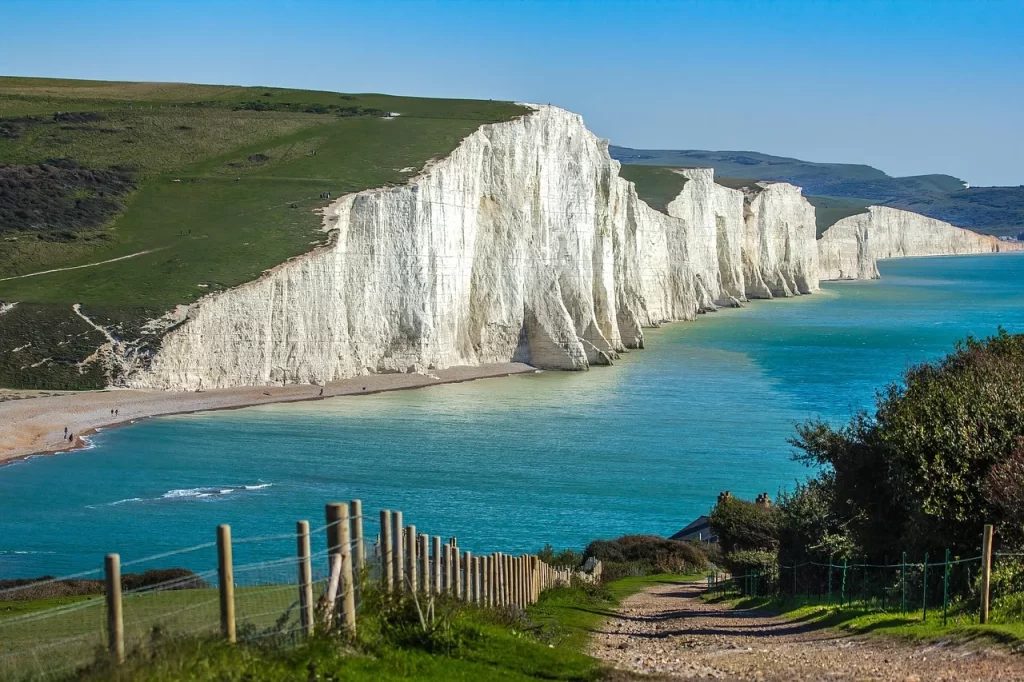
The United Kingdom’s coastline is a world of contrasts — from the windswept cliffs of Cornwall to the serene harbors of Kent, the rugged Scottish isles, and the peaceful shores of the Channel Islands. Each region tells its own story of maritime heritage, seaside culture, and community life. For expats and retirees, the UK’s coastal regions hold enduring appeal: traditional seaside villages, accessible healthcare, familiar language, and an underlying sense of safety and stability. Whether you’re drawn to the southern English coast’s gentle climate, Wales’ natural beauty, Scotland’s untamed shores, or the island independence of Guernsey and Jersey, coastal Britain offers an inviting, distinctly British take on life by the sea.
Expat Details
COASTAL HIGHLIGHTS — POPULAR AREAS FOR EXPATS AND RETIREES
- Brighton (England): A lively cultural hub with pebble beaches, independent shops, and quick rail access to London. Known for inclusivity, art, and a Mediterranean-style promenade.
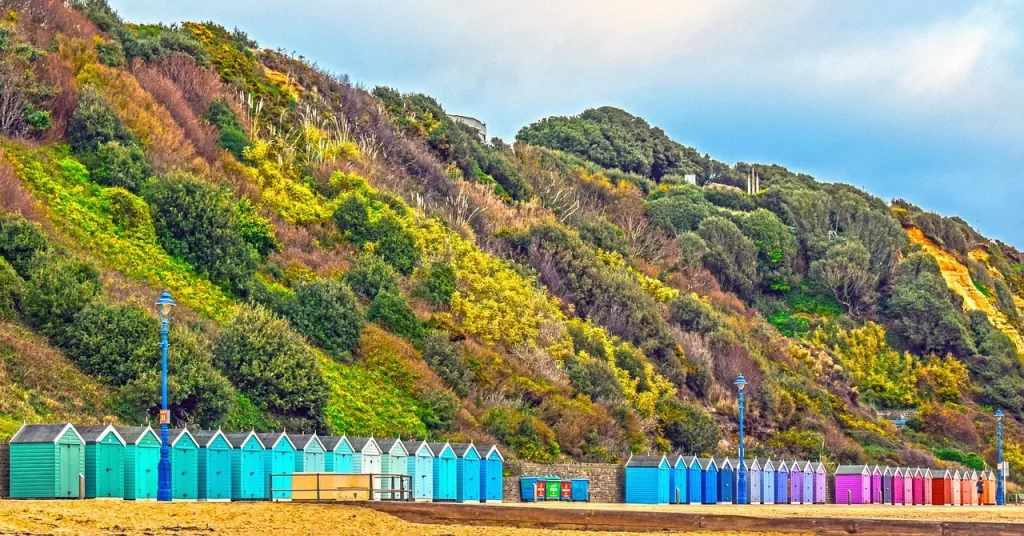
- Bournemouth (England): A classic resort town with long sandy beaches, good healthcare, and strong expat and retiree communities.
- Cornwall (England): Offers spectacular cliffs, fishing villages, and a creative lifestyle centered around nature and local food. Property prices vary greatly by proximity to tourist zones.
- Pembrokeshire (Wales): Rugged coastal beauty and a slower pace of life; popular among retirees seeking tranquility and affordability.
- Aberdeen & Moray Coast (Scotland): Ideal for nature lovers and professionals; affordable homes and strong infrastructure with sea views and access to highlands.
- The Isle of Wight: Combines village life and accessibility; a ferry ride from southern England, with moderate costs and a mild climate.
- Guernsey & Jersey (Channel Islands): English-speaking, self-governing islands offering a favorable tax regime, mild climate, and high quality of life — particularly attractive for retirees or high-net-worth individuals.
Review
Coastal and island living in the United Kingdom provides a harmonious blend of tradition, security, and natural beauty. For expats and retirees, the appeal lies in its cultural depth, reliable healthcare, and familiar language — set against a backdrop of harbors, cliffs, and seaside promenades. The cost of living can be high in some regions, but the trade-off is a lifestyle grounded in stability and charm. Whether you settle in the Cornish Riviera, a Scottish fishing village, or the mild Channel Islands, coastal Britain offers comfort, culture, and a distinct sense of home.

Cost of Living
The cost of living along the UK’s coast varies dramatically by region. Well-known destinations such as Brighton, Bournemouth, or Jersey command premium prices, while smaller northern or Welsh seaside towns remain more affordable. Housing, council tax, and energy bills are the largest recurring expenses, with prices fluctuating based on proximity to London and local tourism levels. For expats and retirees, the key cost factors are property prices (or rents), healthcare coverage under the National Health Service (NHS), and fluctuating utility costs — particularly in colder months.
Cost of Living
- Housing: Property prices in southern England and the Channel Islands are among the highest in the UK. Scotland’s eastern and northern coasts, and parts of Wales, offer more affordable options with similar coastal charm.
- Utilities: The UK’s climate means consistent heating costs through autumn and winter; gas and electricity prices can fluctuate with global energy markets.
- Groceries & Dining: Food costs are moderate, though imported goods or dining out in resort towns can be higher. Local produce, seafood, and farmers’ markets offer good value.
- Transportation: Public transport links are excellent in southern and urban areas but limited in remote regions. Owning a car can be essential outside major towns.
- Taxes: The UK’s tax structure includes council tax based on property value, national insurance, and income tax. Channel Island residents benefit from separate, lower tax regimes.

Quality of life
Coastal living in the UK offers a strong blend of heritage, community, and modern comfort. Many seaside towns balance natural beauty and historic charm with cultural revival — art galleries, food festivals, and maritime events. For retirees and families, access to healthcare, local markets, and a stable social environment contributes to overall well-being. The pace of life is generally slower than in inland cities, and the sense of belonging is strong — particularly in smaller coastal communities where neighbors know one another.
Quality of Life
- Community: Coastal towns often have deep local identity and volunteer networks, making it easier for expats to integrate.
- Lifestyle: Outdoor life is central — beach walks, fishing, boating, and gardening are all part of daily life.
- Culture: British seaside culture combines nostalgia and modern creativity, with museums, historic piers, and festivals throughout the year.
- Services: Amenities vary; larger towns like Bournemouth, Plymouth, or Aberdeen offer full urban services, while small villages rely on nearby hubs for shopping and healthcare.
Pros & Cons
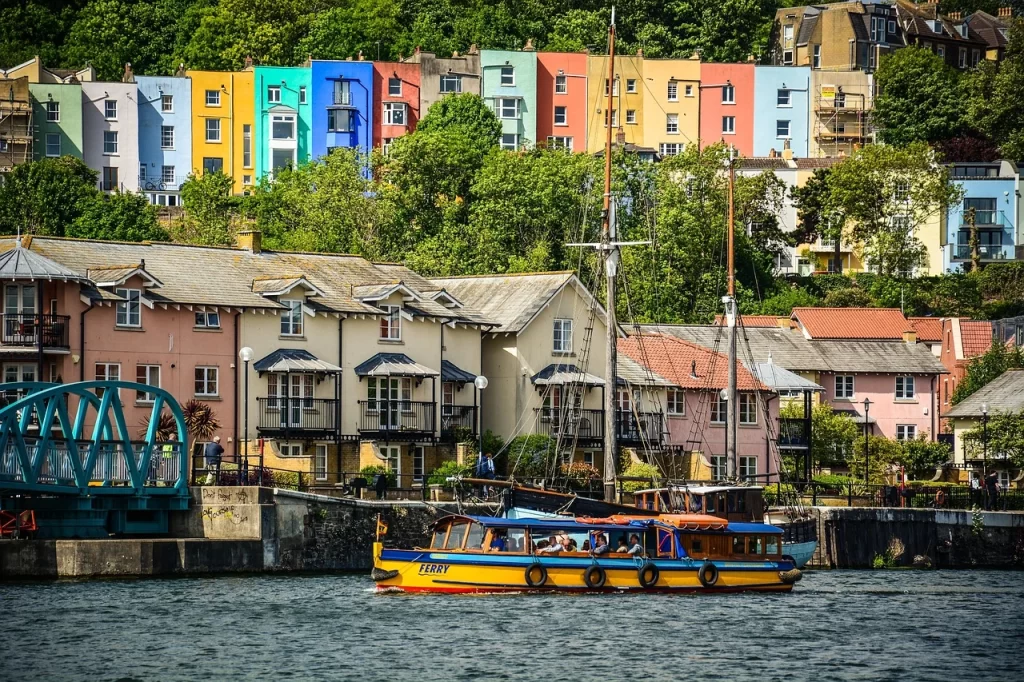
Relocating to the UK’s coast brings the advantages of stable governance, familiar language, and high-quality public infrastructure. But life by the sea also means adapting to brisk weather, seasonal tourism, and local housing pressures. For many expats and retirees, the balance comes down to lifestyle priorities — tranquility and scenery versus convenience and cost.
Pros & Cons
Pros
- Excellent healthcare and public services.
- Safe, orderly society with strong rule of law.
- Rich culture, heritage, and active local communities.
- Stunning coastal scenery across England, Scotland, Wales, and the islands.
Cons
- Housing shortages in desirable southern coastal towns.
- Cool, wet climate year-round.
- Higher taxes and energy costs than some European alternatives.
- Seasonal crowds and inflated prices in tourist areas.
Residency & Visas
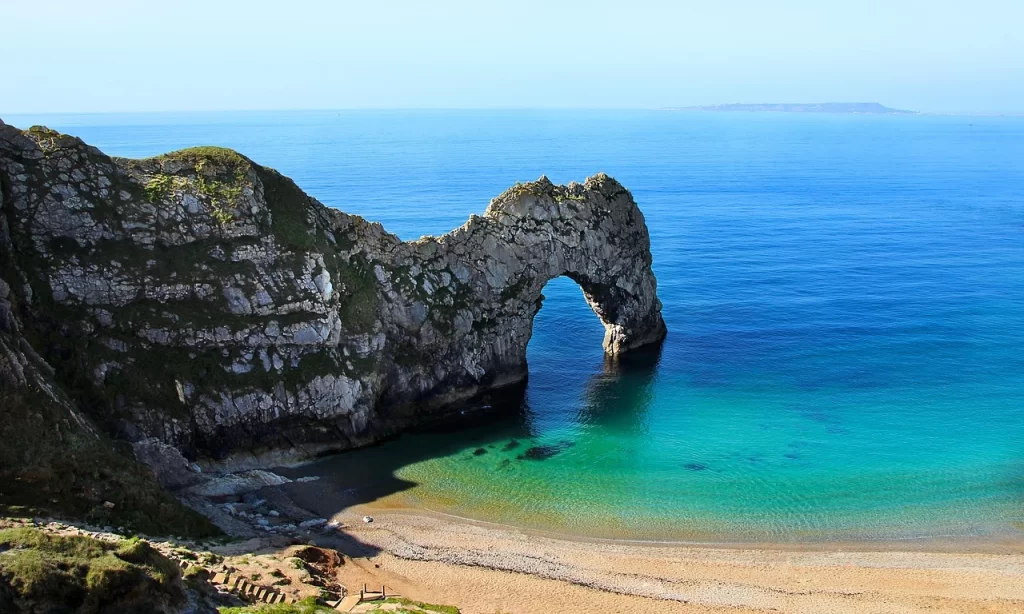
Since leaving the EU, the UK has implemented a points-based immigration system. Expats from outside the UK and Ireland now need to meet work, income, or investment criteria to obtain residency. Retirees without UK family ties generally enter on long-term visitor visas or specific investment-based routes. The Channel Islands and Isle of Man operate their own variations of immigration policy, though still under British oversight.
Residency & Visas
ESIDENCY & VISAS — MORE DETAILS (READ MORE)
- EU/EEA Citizens: Free movement ended post-Brexit; visas are required for work or residence.
- Work & Skilled Visas: The Skilled Worker Visa requires sponsorship from a UK employer and a minimum salary threshold.
- Investor & Innovator Routes: High-value investors and entrepreneurs may apply for residency through capital or business establishment pathways.
- Retiree Options: The UK does not offer a dedicated retirement visa; retirees often enter via family visas or apply for indefinite leave to remain after long-term residency.
- Channel Islands & Isle of Man: Distinct rules apply; these territories may offer tax advantages and special residency permits.
Healthcare
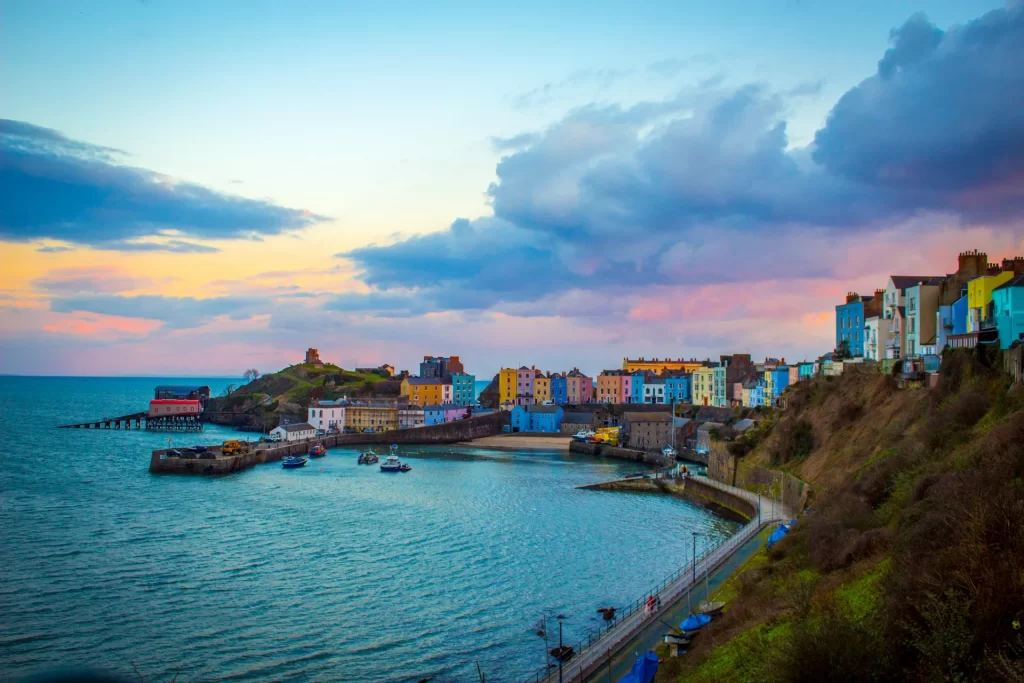
The UK’s National Health Service (NHS) provides comprehensive healthcare, funded through taxation and available to residents at minimal cost. Private healthcare is also widespread for those seeking faster access to specialists or elective procedures. For expats planning permanent relocation, registering with a local GP (General Practitioner) is the first step in accessing NHS services.
Healthcare
- Access: UK residents are entitled to NHS care. Temporary visitors may pay a surcharge or take out private insurance.
- Coverage: NHS covers general and emergency care, but dental and optical services often require partial private payment.
- Quality: Healthcare standards are high, though waiting times vary by region. Coastal areas near major cities usually have good hospital coverage.
- Private Options: Many expats combine NHS access with private plans for convenience and supplemental coverage.

Safety & Security
The UK remains one of the safest countries in Europe, with low violent crime and effective policing. Coastal towns, in particular, tend to have strong community ties and lower crime rates. Petty theft and anti-social behavior may occur in busy tourist spots but rarely escalate. For coastal dwellers, natural safety concerns like flooding or coastal erosion are more significant than crime.
Safety & Security
- Crime: Rates are low; violent incidents are rare.
- Policing: Local police maintain strong community presence, and emergency services are reliable nationwide.
- Natural Risks: Low-lying areas (especially in East Anglia and parts of Wales) face flood risk; local councils publish risk maps and protection measures.
- Insurance: Coastal home insurance may include additional premiums for flood or storm coverage.

Climate
The UK’s coastal climate is maritime — mild, wet, and variable. Winters are rarely severe, while summers are moderate and pleasant. Southern and western coasts enjoy the most sunshine and the mildest winters, while northern and eastern shores are cooler and windier. The frequent rain supports lush landscapes but also demands well-insulated housing and good drainage.
Climate
- England’s South Coast: Warmest region, with mild winters and long summer evenings.
- Wales & West Country: Wet and temperate, with green landscapes and dramatic coastal cliffs.
- Scotland’s Coasts: Cooler, windier, with shorter summers but striking scenery and long daylight hours in midsummer.
- Channel Islands: Enjoy a milder, sunnier climate similar to northern France, ideal for retirees seeking temperate weather.
Infrastructure & Amenities
The UK’s coastal infrastructure supports a high standard of living — reliable utilities, efficient public transport in populated regions, and modern amenities even in smaller towns. While island or rural areas may experience slower internet or fewer transport options, the country’s commitment to digital expansion and renewable energy is improving connectivity and reliability across the board.
Infrastructure & Amenities
- Transport: Rail and bus links connect most coastal regions; ferries serve islands and the Channel crossings.
- Airports: Major airports in London, Manchester, Bristol, and Edinburgh serve international routes; regional airports link to Europe and the islands.
- Healthcare Facilities: Well-distributed hospitals and clinics, with private hospitals available in major centers.
- Utilities: Dependable nationwide; remote coastal areas may face occasional power disruptions during winter storms.
- Digital Connectivity: High-speed broadband covers most of the country, with ongoing expansion into rural and island areas.

General:
Location:
North Atlantic Ocean
Sovereignty:
Independent
Capital:
London
Population:
69,683,273
Land Area (km2):
242,741
Population Density (km2):
285
Language:
English
Literacy %:
99
Poverty %:
21
Currency:
Pound Sterling (GBP)
Indices:
GDP +/- Growth %:
+1.1
World IHDI Score:
0.869 (13/192)
World Gini Score:
0.357
Indices Detail
GDP +/- Growth % measures the annual growth rate of the country’s GDP.
World IHDI Score (Inequality-adjusted Human Development Index) reflects average achievements in health, education, and income, adjusted for inequality.
Country Rank (#/192) (1 = best for both scores)
World Gini Score is a measure of income inequality; 0 represents perfect equality and 100 maximal inequality.