
The Bahamas
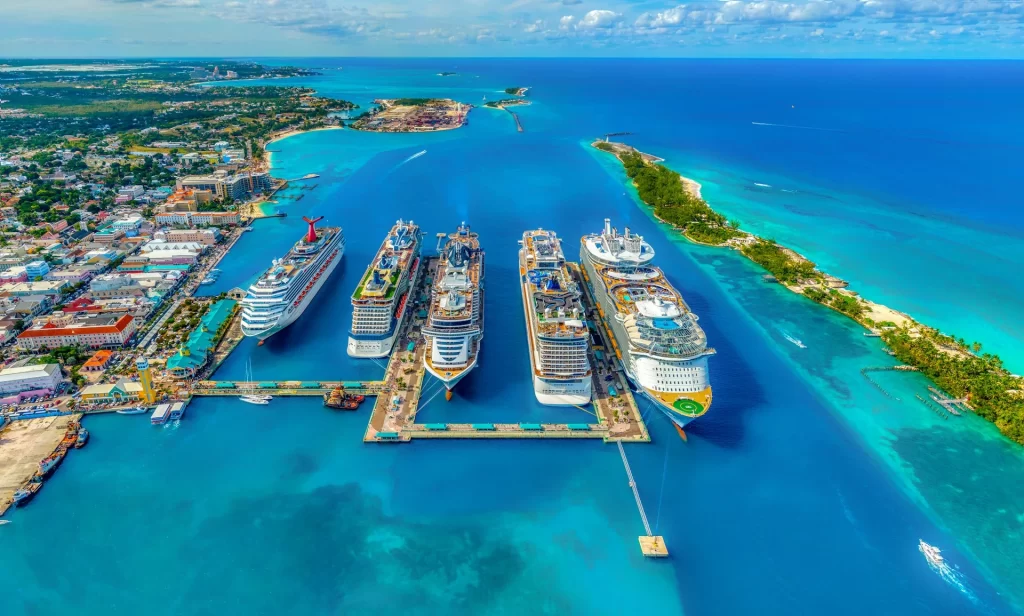
The Bahamas
Welcome to the Bahamas, a sparkling tropical paradise where turquoise waters meet sun-soaked beaches and vibrant island culture. From the bustling streets of Nassau to the serene shores of the Exumas, this island nation offers the perfect mix of adventure, relaxation, and community. With warm, welcoming locals, stunning natural beauty, and a laid-back lifestyle, the Bahamas isn’t just a destination—it’s a place to call home.
Expat Details
The Bahamas is a sought-after destination for expatriates, offering a blend of tropical beauty, tax advantages, and a welcoming community. Here’s a curated list of favored locations for expats considering relocation to The Bahamas:
1. Nassau (New Providence Island)
- Overview: The capital city and economic hub of The Bahamas, Nassau boasts a vibrant cultural scene, modern amenities, and a diverse expat community.
- Highlights: Access to international schools, healthcare facilities, shopping centers, and a variety of dining options.
- Popular Areas: Lyford Cay, Ocean Club Estates, and Old Fort near Lyford Cay are particularly favored by expatriates for their upscale living standards and proximity to amenities. InterNations
2. Freeport (Grand Bahama Island)
- Overview: The second-largest city in The Bahamas, Freeport offers a more relaxed pace of life compared to Nassau, making it appealing to those seeking tranquility without sacrificing modern conveniences.
- Highlights: Affordable living, beautiful white sand beaches, and a strong sense of community.
- Expat Appeal: Many expatriates find Freeport to be a safer and more budget-friendly alternative to Nassau, with fewer crowds and less traffic. Reddit
3. Exuma Islands
- Overview: A chain of islands known for their stunning beaches, clear turquoise waters, and laid-back atmosphere.
- Highlights: Ideal for those seeking a quieter, more private lifestyle amidst natural beauty.
- Expat Appeal: Exuma is described as “laid back, beautiful, not commercialized, many beautiful beaches, very friendly people, safe, budget friendly,” making it an attractive option for expatriates. Facebook
4. Eleuthera
- Overview: An island offering a mix of natural beauty and a slower pace of life, Eleuthera is less developed than Nassau, providing a more authentic Bahamian experience.
- Highlights: Pink sand beaches, lush greenery, and a strong sense of community.
- Expat Appeal: Many expatriates are drawn to Eleuthera for its tranquility and natural charm, making it a popular choice for those looking to immerse themselves in island life. Facebook
5. Abaco Islands
- Overview: Known for their boating and sailing opportunities, the Abaco Islands offer a blend of natural beauty and a tight-knit community.
- Highlights: Clear waters, excellent sailing conditions, and a range of outdoor activities.
- Expat Appeal: The Abaco Islands are favored by expatriates for their relaxed lifestyle and strong sense of community, making it an ideal location for those seeking a balance between adventure and serenity. Dupuch Real Estate
Each of these locations offers unique advantages for expatriates considering relocation to The Bahamas. Whether you’re seeking the amenities and vibrancy of Nassau, the tranquility of Exuma, or the community spirit of Eleuthera, The Bahamas provides a diverse range of options to suit various lifestyles.
Cost of Living
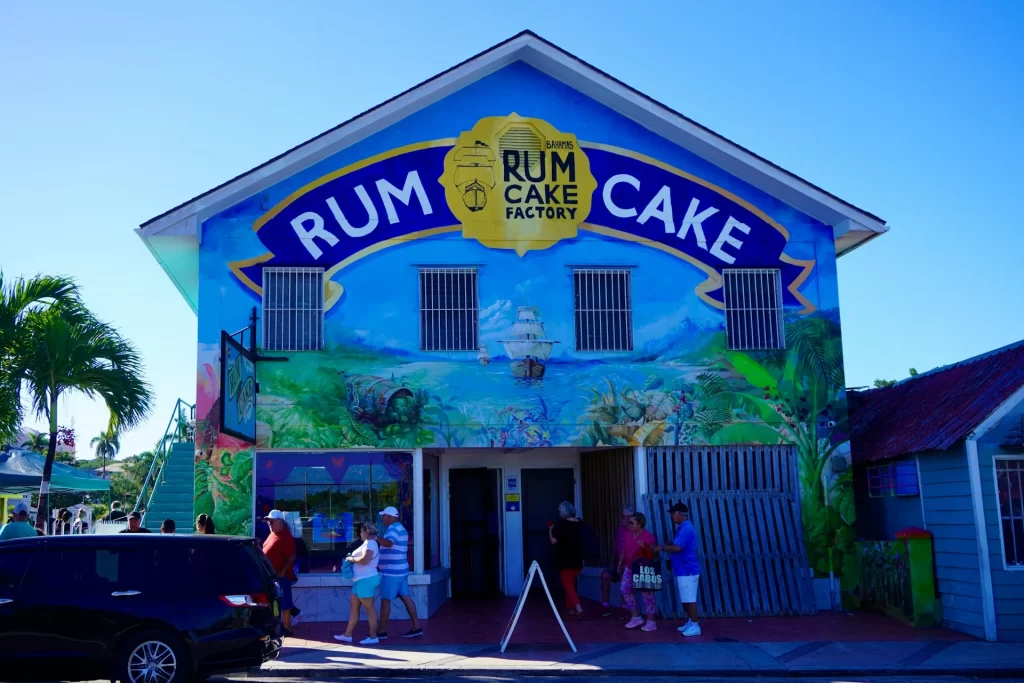
The Bahamas, with its turquoise waters, tropical climate, and relaxed island lifestyle, attracts expatriates seeking a high-quality, beach-focused life. From the capital city of Nassau to islands like Freeport and Eleuthera, The Bahamas offers a variety of living experiences. Understanding the cost of living in different regions is essential for planning a comfortable long-term stay.
Cost of Living
Cost of Living in Popular Expat Locations in The Bahamas
Nassau (New Providence Island)
Nassau, the capital and commercial hub, is the most popular choice for expats due to its international connectivity and urban amenities.
- Housing: One-bedroom apartments in central Nassau typically cost $1,500–$3,000 per month, while suburban or less central areas range $1,000–$2,000 per month. Furnished or luxury apartments can exceed $3,500 per month.
- Food: Casual meals cost $10–$20, mid-range restaurants $25–$50 per person, and monthly groceries average $300–$500 for one person.
- Transportation: Public buses and taxis are available, with fares $1–$3 per ride, but many expats prefer owning a car due to limited public transport coverage.
- Utilities and Internet: Utilities, including electricity, water, and gas, typically cost $150–$300 per month, and high-speed internet averages $70–$120 per month.
Freeport (Grand Bahama Island)
Freeport attracts expats seeking a quieter urban environment with access to beaches and outdoor activities.
- Housing: One-bedroom apartments in central Freeport cost $1,000–$1,800 per month, while suburban areas range $800–$1,500 per month. Furnished apartments can reach $1,500–$2,500 per month.
- Food: Casual meals $8–$15, mid-range restaurants $20–$40 per person, and groceries average $250–$400 per month.
- Transportation: Limited bus service; many expats use cars. Taxi fares range $3–$10 for short trips.
- Utilities and Internet: Utilities typically cost $120–$250 per month, and high-speed internet averages $60–$100 per month.
Eleuthera and Other Outlying Islands
Islands such as Eleuthera, Abaco, and Exuma appeal to expats seeking tranquility, island living, and natural beauty.
- Housing: One-bedroom apartments or small homes range $800–$1,500 per month, with larger or waterfront properties $1,500–$3,000+.
- Food: Local meals cost $8–$15, mid-range restaurants $15–$35 per person, and groceries average $200–$350 per month.
- Transportation: Cars or golf carts are commonly used. Public transport is very limited.
- Utilities and Internet: Utilities cost $100–$250 per month, and high-speed internet averages $50–$100 per month.
Additional Considerations for Expats
- Healthcare: The Bahamas offers private healthcare with international standards. Private consultations typically cost $50–$150, and private insurance averages $100–$300 per month depending on coverage.
- Entertainment and Lifestyle: Gyms, cultural events, water sports, and leisure activities are available, with monthly expenses $50–$200, depending on lifestyle.
- Overall Budget: A comfortable lifestyle for a single expat generally ranges $1,500–$3,000 per month, depending on location, housing, and lifestyle preferences.
Review
The Bahamas provides an exceptional island lifestyle with stunning beaches, a warm climate, and a welcoming community. Whether in bustling Nassau, quieter Freeport, or scenic outlying islands like Eleuthera, expatriates can enjoy modern amenities, high-quality healthcare, and abundant outdoor activities. While costs are higher than in many countries, The Bahamas offers a rewarding environment for retirees, remote workers, and long-term residents seeking a tropical paradise with convenience and charm.
Quality of life
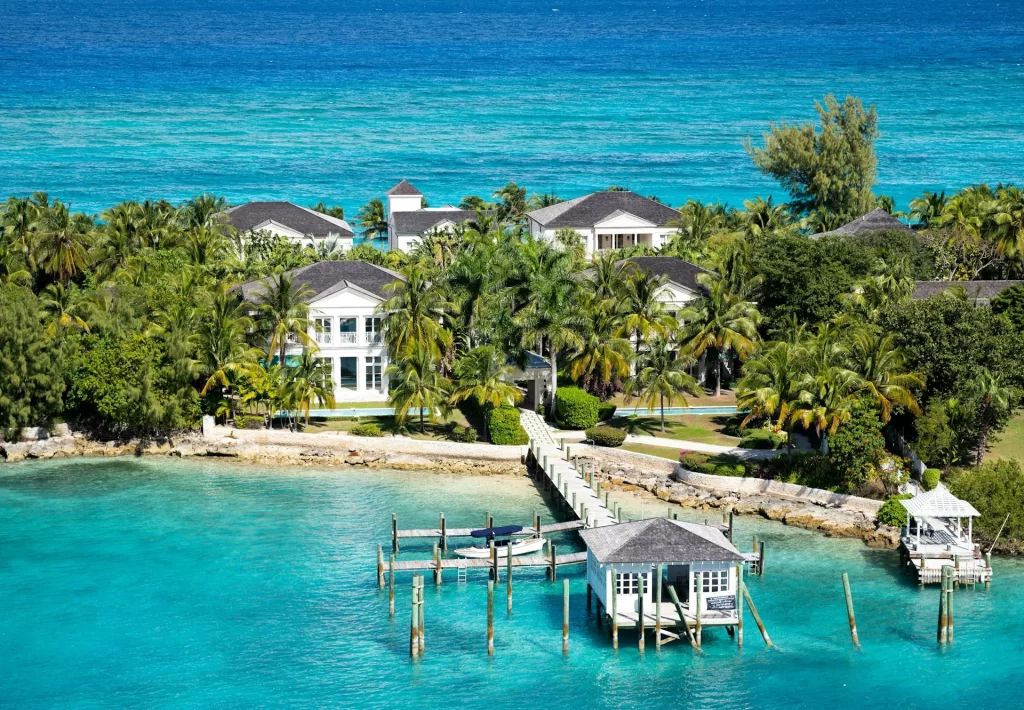
The Bahamas, an archipelago of over 700 islands, offers expatriates a unique combination of tropical climate, pristine beaches, and an easygoing island lifestyle. While the cost of living can be higher than in other Caribbean destinations, the quality of life in the Bahamas is often defined by its natural beauty, outdoor activities, and a welcoming, English-speaking community. Understanding the lifestyle in different areas is essential for expatriates considering long-term relocation.
Quality of Life
Quality of Life in Favored Expat Areas in The Bahamas
Nassau (New Providence Island)
Nassau, the capital city, is the most popular destination for expatriates seeking a mix of urban amenities and island living.
- Community and Culture: Nassau offers a diverse, international community with opportunities for networking, cultural events, and social clubs. The city hosts art galleries, music festivals, and local cultural celebrations, creating a rich lifestyle experience.
- Lifestyle and Recreation: Expat residents enjoy proximity to beaches, golf courses, and water sports. Sailing, snorkeling, and diving are popular activities, and Nassau’s marina culture supports boating and island hopping.
- Healthcare and Services: Nassau has the best access to medical facilities in the country, with private clinics, hospitals, and pharmacies catering to expats. While public healthcare is limited, private options provide high-quality care.
- Safety and Infrastructure: Nassau offers relatively good infrastructure, including modern roads, reliable electricity, and international schools. However, urban safety varies by neighborhood, so choosing secure areas is essential.
Freeport (Grand Bahama Island)
Freeport is known for its quieter, more residential environment compared to Nassau, attracting expats who prefer a slower pace.
- Community and Culture: Freeport offers a smaller, close-knit expat community. Local markets, arts, and cultural events provide opportunities for engagement with both residents and locals.
- Lifestyle and Recreation: Freeport is ideal for nature enthusiasts, with nearby beaches, parks, and fishing spots. Golfing, boating, and casual beachside activities are popular among expats.
- Healthcare and Services: Freeport has private clinics and hospitals, though choices are fewer than in Nassau. Residents often travel to Nassau for specialized medical care.
- Safety and Infrastructure: Infrastructure is adequate, with paved roads, shopping centers, and basic services. Security is generally good, though residents should remain aware of local advisories.
Eleuthera and Outlying Islands
Eleuthera, Abaco, and Exuma appeal to expats seeking tranquility, natural beauty, and an authentic island lifestyle.
- Community and Culture: Life on these islands is slower and more community-focused. Expat populations are smaller, fostering tight-knit social circles and opportunities for cultural immersion.
- Lifestyle and Recreation: Outdoor and water-based activities dominate life here. Snorkeling, sailing, fishing, and exploring natural landscapes are everyday pastimes. The pace of life is relaxed, emphasizing wellness and connection with nature.
- Healthcare and Services: Medical services are limited to small clinics, so serious medical needs often require travel to Nassau or abroad. Grocery shopping and daily necessities may be less convenient than in urban centers.
- Safety and Infrastructure: Infrastructure is more basic but functional, with a focus on sustainable and local living. Security is generally good, and residents often rely on community connections for support.
Key Factors Influencing Quality of Life
- Climate and Environment: The Bahamas offers year-round warm weather, abundant sunshine, and pristine beaches, contributing to physical and mental well-being. Hurricanes are seasonal, requiring preparedness.
- Community and Lifestyle: The English-speaking environment, welcoming locals, and active expat communities make social integration easier. Leisure and wellness activities are integral to daily life.
- Cost of Living vs. Lifestyle: While living costs are higher than in some Caribbean countries, the quality of life—access to outdoor activities, natural beauty, and relaxed pace—often outweighs expenses for expats seeking lifestyle over frugality.
- Accessibility: Nassau and Freeport offer international airports with connections to the U.S. and other Caribbean islands, making travel convenient for work, leisure, and medical needs.
Review
The Bahamas provides a high-quality lifestyle for expatriates who value natural beauty, a relaxed island pace, and outdoor recreation. Urban centers like Nassau offer convenience, healthcare, and community engagement, while islands like Eleuthera and Exuma appeal to those seeking tranquility and close connection with nature. For retirees, remote workers, and lifestyle-focused expats, the Bahamas offers a rewarding balance of comfort, leisure, and scenic living, making it one of the Caribbean’s most desirable long-term destinations.
Pros & Cons
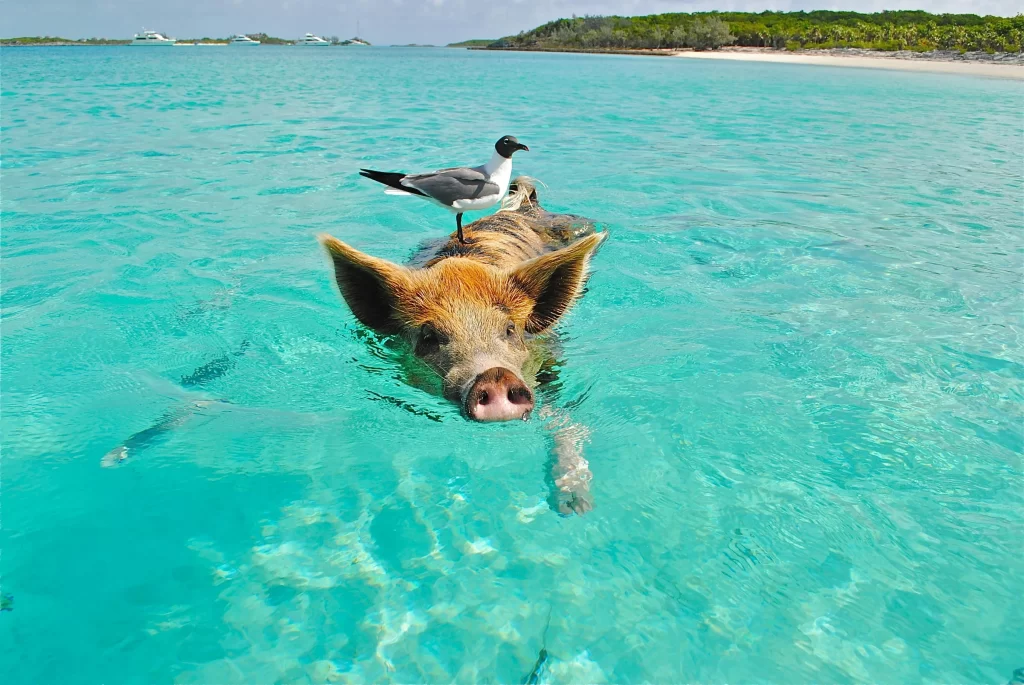
The Bahamas, with its turquoise waters, tropical climate, and vibrant island lifestyle, attracts expatriates seeking a relaxed lifestyle, beautiful beaches, and a slower pace of life. While many aspects of living in the Bahamas are appealing, it is important to consider both the advantages and potential challenges before relocating.
Pros & Cons
Pros and Cons of Relocating to Expat-Favored Areas in the Bahamas
Pros of Relocating to the Bahamas
- Tropical Climate and Natural Beauty
- The Bahamas boasts warm, tropical weather year-round, with abundant sunshine, white-sand beaches, and clear blue waters.
- Expat-favored areas such as Nassau, Freeport, and Harbour Island offer easy access to outdoor activities like boating, snorkeling, fishing, and diving.
- The Bahamas boasts warm, tropical weather year-round, with abundant sunshine, white-sand beaches, and clear blue waters.
- English-Speaking Environment
- English is the official language, making daily communication, banking, healthcare, and official transactions easier for expatriates.
- Education, services, and legal systems are accessible without the need for extensive language learning.
- English is the official language, making daily communication, banking, healthcare, and official transactions easier for expatriates.
- Low Crime in Expat Communities
- Many expat-favored areas have gated communities, private security, and established neighborhoods catering to expatriates, providing a safe and secure environment.
- Many expat-favored areas have gated communities, private security, and established neighborhoods catering to expatriates, providing a safe and secure environment.
- Tax Advantages
- The Bahamas has no personal income tax, capital gains tax, or inheritance tax, which can be financially advantageous for retirees and business owners.
- The Bahamas has no personal income tax, capital gains tax, or inheritance tax, which can be financially advantageous for retirees and business owners.
- High-Quality Lifestyle Amenities
- Expat areas offer modern supermarkets, restaurants, gyms, golf courses, and recreational facilities.
- Health-conscious and active lifestyles are easy to maintain with abundant outdoor options.
- Expat areas offer modern supermarkets, restaurants, gyms, golf courses, and recreational facilities.
- Welcoming Expat Community
- Many expatriates have relocated to popular areas, creating a supportive and friendly social environment.
- Networking, social clubs, and community events help newcomers integrate.
- Many expatriates have relocated to popular areas, creating a supportive and friendly social environment.
Cons of Relocating to the Bahamas
- High Cost of Living
- Imported goods, fuel, and housing can be expensive, especially in prime coastal and expat areas.
- Grocery shopping, utilities, and everyday expenses may be significantly higher than in many mainland countries.
- Imported goods, fuel, and housing can be expensive, especially in prime coastal and expat areas.
- Limited Healthcare Options
- While private clinics and hospitals exist in urban areas, advanced medical care may require travel to Miami or other international locations.
- Specialized treatments and certain medications may be limited or costly.
- While private clinics and hospitals exist in urban areas, advanced medical care may require travel to Miami or other international locations.
- Hurricane Risk
- The Bahamas is in the Atlantic hurricane belt, and strong storms can occur between June and November.
- Flooding, property damage, and insurance challenges are considerations for residents.
- The Bahamas is in the Atlantic hurricane belt, and strong storms can occur between June and November.
- Infrastructure Challenges
- While urban centers have reliable electricity, water, and internet, remote islands may experience intermittent service.
- Roads can be narrow or poorly maintained in some areas, and public transportation is limited.
- While urban centers have reliable electricity, water, and internet, remote islands may experience intermittent service.
- Limited Job Market for Expats
- Employment opportunities for foreigners can be restricted, and work permits may be required.
- Retirees and remote workers often find the Bahamas more suitable than those seeking local employment.
- Employment opportunities for foreigners can be restricted, and work permits may be required.
- Island Isolation
- Traveling internationally or receiving shipments may take longer and be more expensive due to the archipelago’s geography.
- Remote island living can limit access to specialized services and entertainment options.
- Traveling internationally or receiving shipments may take longer and be more expensive due to the archipelago’s geography.
Review
Relocating to the Bahamas offers a unique combination of tropical beauty, relaxed lifestyle, and a welcoming expat community. Areas like Nassau, Freeport, Harbour Island, and the Exumas provide access to modern amenities, outdoor activities, and a safe environment. However, high living costs, hurricane risk, limited healthcare, and infrastructure challenges are important considerations. Careful planning and realistic expectations can help expatriates enjoy the Bahamas’ stunning surroundings, favorable climate, and vibrant island lifestyle while mitigating potential downsides.
Residency & Visas
The Bahamas, with its crystal-clear waters, warm climate, and relaxed island lifestyle, has long been a magnet for expatriates seeking a Caribbean home. From Nassau and Paradise Island to the quieter Out Islands, The Bahamas offers a mix of cosmopolitan amenities and laid-back tropical living. Understanding the country’s residency and visa pathways is essential for anyone planning an extended stay or permanent relocation.
Residency & Visas
Residency and Visa Options in The Bahamas: A Guide for Expats
Short-Stay and Tourist Visas
Most visitors, including citizens of the U.S., Canada, U.K., and EU countries, can enter The Bahamas visa-free for up to 90 days. Travelers must hold a valid passport and proof of onward or return travel. This short-term entry allows potential residents to explore the islands and evaluate lifestyle preferences. Those who require a visa can apply for a visitor visa at a Bahamian consulate before travel.
Residency Options
The Bahamas offers several pathways for expatriates seeking long-term or permanent residence, focusing on retirees, investors, and financially independent individuals:
- Annual Residence Permit: Available to non-Bahamians who own property or demonstrate financial independence, the annual permit allows you to live in the country for a renewable one-year period. Applicants must show proof of income or assets and may need to maintain a local bank account.
- Permanent Residency: After owning property in The Bahamas for at least five years and meeting financial requirements, expatriates may apply for permanent residency. Permanent residents enjoy the ability to live indefinitely in the country, but voting rights and certain other privileges remain reserved for citizens.
- Economic Permanent Residency: Designed for investors, this pathway requires a minimum investment in Bahamian real estate or business (typically USD $500,000 or more). It grants long-term residency and is ideal for retirees or entrepreneurs seeking security and stability.
- Work Permits: Foreign nationals intending to work in The Bahamas must obtain a work permit through their employer. Work-based permits are tied to the employer but can lead to longer-term residency if combined with property ownership or other criteria.
- Retirement and Financial Independence: While The Bahamas does not have a formal retirement visa like some Caribbean nations, financially independent retirees can apply for residency permits based on personal income, investment, or property ownership.
Citizenship
Obtaining Bahamian citizenship is possible but challenging for expatriates. Citizenship by naturalization typically requires at least 10 years of continuous legal residence, a clean criminal record, and integration into Bahamian society. Dual citizenship is not generally permitted, so applicants should consider the implications carefully.
Life as a Resident Expat
Living in The Bahamas offers a combination of tropical beauty, English-speaking culture, and modern amenities. Healthcare standards are high in Nassau and Freeport, though more remote islands may have limited services. The cost of living can be high, particularly for imported goods and real estate in prime locations, but many expats consider it a worthwhile trade-off for island living, year-round sunshine, and access to boating, diving, and outdoor recreation.
Review
The Bahamas provides expatriates with clear and accessible residency pathways, particularly for retirees, investors, and financially independent individuals. Its combination of natural beauty, stable governance, and English-speaking environment makes it an appealing choice for long-term relocation. For those willing to navigate property and investment requirements, The Bahamas offers the chance to enjoy a relaxed Caribbean lifestyle while maintaining modern comforts and security.

Healthcare
The Bahamas, with its tropical climate, stunning beaches, and vibrant communities, is a popular destination for expatriates. Quality healthcare is an essential consideration for long-term residents, retirees, and remote workers. While the country offers a mix of public and private healthcare options, accessibility and standards vary by island and location. Understanding healthcare availability in favored expat areas is key to planning for a safe and comfortable stay.
Healthcare
Healthcare in Favored Expat Areas in The Bahamas
Nassau and New Providence
Nassau, the capital located on New Providence Island, is the primary hub for healthcare services in the Bahamas.
- Facilities and Services: Nassau hosts the country’s largest hospitals, including private and public institutions, offering general medical care, emergency services, and specialized treatments. Major hospitals include Doctors Hospital Nassau and the Princess Margaret Hospital.
- Private Healthcare: Private clinics and specialist practices provide higher-standard care, shorter wait times, and more personalized service for expatriates.
- Access and Convenience: Many services in Nassau cater to expatriates, with English-speaking staff and international-standard medical equipment. Pharmacies are widely available and stocked with both local and imported medications.
- Specialist Care: Specialists in cardiology, dentistry, ophthalmology, and orthopedics are available, though more complex procedures may require travel abroad, often to the United States.
Grand Bahama (Freeport)
Grand Bahama, particularly Freeport, is another area popular with expats seeking a blend of urban amenities and beach living.
- Facilities and Services: Freeport has several hospitals and clinics, including both public and private facilities. Lucaya Medical Centre provides many primary care and specialist services.
- Private Healthcare: Private medical facilities are smaller than in Nassau but generally provide reliable care for routine and moderate medical needs.
- Access and Convenience: English-speaking staff and pharmacies are available, though more complex treatments may require travel to Nassau or the U.S.
Abaco and Eleuthera
Abaco and Eleuthera are favored by expats for their serene lifestyle, boating, and island living.
- Facilities and Services: Healthcare infrastructure is more limited than in Nassau or Freeport. Local clinics handle primary care, minor emergencies, and routine treatments.
- Private Healthcare: Some private doctors offer in-home or clinic consultations, but specialized care is limited.
- Access and Convenience: Expat residents often travel to Nassau for major medical appointments or hospital care. Air transportation is generally available but may require planning.
- Emergency Services: Emergency care is available in local clinics, though severe cases may require medical evacuation to Nassau or Florida.
Eleuthera, Exuma, and Other Out Islands
Expat communities in the Out Islands enjoy tranquil island living but face healthcare access challenges.
- Facilities and Services: Local clinics provide basic care, vaccinations, and routine checkups. Hospital services are limited.
- Private Healthcare: Some private practitioners are available, though many expatriates maintain relationships with doctors in Nassau or internationally.
- Access and Convenience: Travel to larger islands or the U.S. may be required for specialized care, surgeries, or serious medical emergencies. Planning and contingency arrangements are important for long-term residents.
Key Factors Influencing Healthcare Quality
- Access to Specialists: Specialized treatments are concentrated in Nassau and Freeport. Expat residents in smaller islands may need to plan travel for care.
- Private vs. Public Care: Private healthcare provides shorter wait times, higher service standards, and more comprehensive care, while public hospitals are widely available but may experience longer wait times and variable quality.
- Medical Insurance: Comprehensive private health insurance is recommended for expatriates, covering private care and potential medical evacuation.
- Emergency Services: Ambulance services and emergency care are available, but response times may vary outside major islands. Many expats opt for medical evacuation coverage for serious emergencies.
Review
Healthcare in The Bahamas offers reliable services in major urban areas like Nassau and Freeport, with private clinics and hospitals meeting international standards. For expatriates living on smaller islands such as Abaco, Eleuthera, or Exuma, healthcare access is more limited, and planning for specialized care or emergencies is essential. With appropriate insurance, regular checkups, and awareness of local facilities, expats can enjoy comfortable and safe living in the Bahamas while benefiting from the islands’ natural beauty, relaxed lifestyle, and welcoming communities.
Safety & Security
The Bahamas, with its turquoise waters, tropical climate, and relaxed island lifestyle, is a leading destination for expatriates seeking beach living, retirement, or seasonal relocation. While the islands offer a welcoming and vibrant community, safety and security are important considerations for long-term residents. Understanding local conditions, risk factors, and practical precautions is key to enjoying a secure and comfortable stay.
Safety & Security
Safety and Security in Favored Expat Areas in The Bahamas
Nassau and New Providence Island
Nassau, the capital and largest city, is the primary hub for commerce, culture, and expat living.
- Crime Overview: Nassau has higher crime rates compared with other parts of the Bahamas, including occasional property crime and petty theft. Violent crime exists but is largely concentrated in specific neighborhoods and outside tourist and expat areas.
- Safety Measures: Many expatriates live in gated communities, secure condos, or resort-style developments with 24-hour security. Staying alert in urban areas, avoiding isolated neighborhoods at night, and using secure transportation are recommended.
- Emergency Services: Police presence is significant in tourist and expat-populated areas. Local emergency response services are reliable in central Nassau.
Paradise Island
Paradise Island is closely linked to Nassau and is a popular destination for retirees and seasonal expatriates.
- Crime Overview: The area is generally safer than central Nassau, with lower incidence of serious crime in expat-populated zones and resort areas.
- Safety Measures: Gated communities and private security are common. Personal precautions such as securing vehicles and valuables are advised.
- Emergency Services: Hospitals, clinics, and police services are easily accessible, and expats generally find emergency support responsive and reliable.
Exuma and Out Islands
The Exumas and other Out Islands attract expatriates seeking a quieter, more remote island lifestyle.
- Crime Overview: These islands have very low crime rates, particularly in small communities and private developments. Petty theft may occur but is relatively rare. Violent crime is uncommon.
- Safety Measures: Residents often rely on local community networks for support and security. Standard precautions—locking doors and monitoring visitors—are sufficient for most expatriates.
- Emergency Services: Medical and police services are limited compared with Nassau or Freeport. Expats should be aware of nearest clinics and emergency transport options, particularly for remote locations.
Freeport and Grand Bahama Island
Freeport, the main urban center on Grand Bahama Island, is a hub for commerce and expat communities.
- Crime Overview: Crime exists, particularly property crime and occasional theft. Expat residential zones are generally safer, but caution is advised in less populated or industrial areas.
- Safety Measures: Gated communities, neighborhood watch programs, and private security services enhance safety. Avoiding risky areas after dark is recommended.
- Emergency Services: Police and medical services are available, but response times may be slower than in Nassau. Expats often maintain private contacts for emergencies.
Key Factors Influencing Safety and Security
- Community Type: Gated communities, private compounds, and resort-style developments provide the highest level of security for expatriates.
- Local Awareness: Staying informed about local news, avoiding risky areas, and understanding traffic and marine safety regulations improves overall safety.
- Natural Hazards: The Bahamas is prone to hurricanes during the Atlantic hurricane season (June to November). Preparedness, evacuation plans, and adherence to local advisories are critical.
- Emergency Preparedness: Knowledge of the nearest hospitals, clinics, and emergency contacts is essential, particularly on smaller islands.
Review
Expatriates in The Bahamas can enjoy a safe and secure lifestyle by choosing well-serviced areas, gated communities, or popular resort towns. Urban areas like Nassau and Freeport require awareness and standard security measures, while smaller Out Islands offer quieter and generally safer living environments. Understanding local risks, maintaining situational awareness, and being prepared for natural hazards ensures a comfortable, safe, and enjoyable experience in this tropical paradise.
Climate
The Bahamas, with its tropical maritime climate, attracts expatriates seeking warm weather, stunning beaches, and year-round outdoor living. Understanding the climate, seasonal patterns, and humidity levels is essential for planning daily life, activities, and home comfort.
Climate
Climate in Favored Expat Areas in the Bahamas
Nassau (New Providence Island)
Nassau, the capital, is a cultural and economic hub with popular expat neighborhoods.
- Temperature: Average daily highs range from 24°C (75°F) in winter to 32°C (90°F) in summer. Average daily lows range from 18°C (64°F) to 26°C (79°F).
- Humidity: Humidity is relatively high year-round, averaging 70–80%, which can make the heat feel more intense during summer months.
- Rainfall: Nassau experiences a wet season from May to October, with occasional tropical storms or hurricanes. Dry season runs from November to April, with mild temperatures and lower humidity.
- Notes for Expats: Air conditioning and ceiling fans are commonly used to maintain comfort. Outdoor activities are most pleasant during the dry season.
Paradise Island
Paradise Island, home to many resorts and expatriates, has a similar tropical climate to Nassau.
- Temperature: Average daily highs are 25–31°C (77–88°F), with lows around 19–26°C (66–79°F).
- Humidity: Humidity remains high, averaging 70–80%.
- Rainfall: Wet season is May–October, dry season November–April. Short, intense showers are typical during the wet season.
- Notes for Expats: Shade, light clothing, and hydration are important, particularly during peak summer months.
Abaco Islands (Marsh Harbour, Treasure Cay)
The Abaco Islands are favored by expats seeking quieter, small-town island life.
- Temperature: Average highs are 24–31°C (75–88°F); average lows are 19–25°C (66–77°F).
- Humidity: Average humidity is 70–85%, highest during the wet season.
- Rainfall: Wet season from June to October brings the majority of annual rainfall; dry season from November to May is drier and sunnier.
- Notes for Expats: The Abacos are more exposed to tropical storms than New Providence. Expats typically adapt homes with hurricane shutters and elevated designs.
Exuma Islands (George Town)
Exuma is popular with expats seeking natural beauty and tranquil beaches.
- Temperature: Average highs range from 23°C (73°F) in winter to 31°C (88°F) in summer; lows from 18–26°C (64–79°F).
- Humidity: Relative humidity averages 70–80%.
- Rainfall: Wet season is May–October, dry season November–April. Exuma generally receives slightly less rainfall than Nassau due to its southern location.
- Notes for Expats: Outdoor and boating activities are excellent during the dry season; summer heat can feel intense due to high humidity.
Key Climate Considerations for Expats
- Tropical Warmth: Expect warm to hot temperatures year-round, with mild winters and warm summers.
- Humidity: High humidity is consistent throughout the year, affecting comfort, clothing choices, and air conditioning needs.
- Hurricane Season: June through November is hurricane season. Expats typically prepare homes with hurricane-resistant features and stay informed through local alerts.
- Outdoor Lifestyle: Dry season is ideal for outdoor activities, boating, and beach living; wet season may require planning around afternoon showers.
Review
Expatriates in the Bahamas can enjoy a comfortable, tropical climate with abundant sunshine, mild winters, and warm summers. Areas such as Nassau, Paradise Island, Abaco, and Exuma offer slightly varying temperatures and rainfall patterns, but all share high humidity and a tropical maritime climate. Understanding seasonal patterns, preparing for hurricanes, and planning daily activities around temperature and humidity ensures a pleasant and enjoyable lifestyle in the Bahamas’ island paradise.

Infrastructure & Amenities
The Bahamas, with its tropical islands, pristine beaches, and vibrant expat communities, attracts expatriates seeking a high quality of life, convenience, and easy access to essential services. Understanding local infrastructure and available amenities is crucial for comfort, daily living, and long-term relocation planning.
Infrastructure & Amenities
Infrastructure and Amenities in Favored Expat Areas in the Bahamas
Nassau and New Providence
Nassau, the capital, and surrounding areas are the main hub for expatriates seeking urban conveniences combined with island life.
- Transportation: Nassau features a well-maintained road network, taxi services, and bus routes. Lynden Pindling International Airport connects the islands with direct flights to North America and Europe. Car rentals are common for local travel.
- Healthcare: Nassau offers the majority of the country’s healthcare services, including private hospitals, clinics, and pharmacies. International-standard medical care is available, though some specialized treatments may require travel abroad.
- Utilities and Services: Reliable electricity and water supply, internet services, and mobile connectivity are widely available. Many neighborhoods have high-speed internet suitable for remote work.
- Shopping and Dining: Supermarkets, specialty stores, restaurants, and international dining options are plentiful. Local markets offer fresh seafood and produce.
- Education: Several international schools and private institutions cater to expatriate families, including British and American curricula.
Freeport and Grand Bahama
Freeport and surrounding areas are popular with expatriates seeking a more relaxed lifestyle while maintaining access to modern amenities.
- Transportation: Freeport has a well-connected road system and a regional airport, Grand Bahama International Airport, providing domestic and international flights. Car ownership is common for daily travel.
- Healthcare: Medical facilities include public hospitals and private clinics. While sufficient for routine care, complex treatments may require travel to the U.S. or Nassau.
- Utilities and Services: Water, electricity, and internet services are generally reliable. High-speed internet is available in urban areas and popular residential neighborhoods.
- Shopping and Dining: Freeport offers grocery stores, shopping centers, and casual to fine-dining options. Local markets and fresh seafood are readily accessible.
- Education: International and private schools are available for expatriate children, providing a range of curricula.
Out Islands (Abaco, Eleuthera, Exumas)
The Out Islands attract expatriates seeking quiet, scenic, and private island living.
- Transportation: Ferries and small airports provide inter-island access. Road infrastructure varies; in some areas, dirt or gravel roads are common. Boat ownership is often essential for travel between islands.
- Healthcare: Limited local clinics and small medical centers handle routine care; serious medical conditions typically require travel to Nassau or abroad.
- Utilities and Services: Electricity and water supply are generally available but can be less reliable than on major islands. Internet service is available, though speeds may be slower in remote areas.
- Shopping and Dining: Local grocery stores and small restaurants serve communities; for specialized goods, residents often travel to larger islands.
- Education: Limited schooling options are available; expatriate families may consider homeschooling or boarding schools for older children.
Key Infrastructure Considerations for Expats
- Transportation: Reliable on major islands; inter-island travel often requires planes or boats. Car ownership is common for convenience.
- Healthcare: Major islands provide private and public healthcare; remote islands may have limited access to specialized care.
- Utilities: Generally reliable in urban areas; some remote islands may experience occasional outages.
- Shopping and Dining: Urban areas have supermarkets, international cuisine, and shopping centers; smaller islands have more limited options.
- Education: International and private schools are available in Nassau, Freeport, and select Out Islands; homeschooling is an option for remote areas.
Review
Expatriates in the Bahamas can enjoy modern infrastructure and amenities, especially on Nassau, New Providence, and Freeport. The Out Islands offer serene, scenic living but may require careful planning regarding healthcare, utilities, and supplies. Understanding the availability and quality of transportation, healthcare, utilities, education, and shopping ensures comfort and convenience while enjoying the Bahamas’ stunning beaches and island lifestyle.
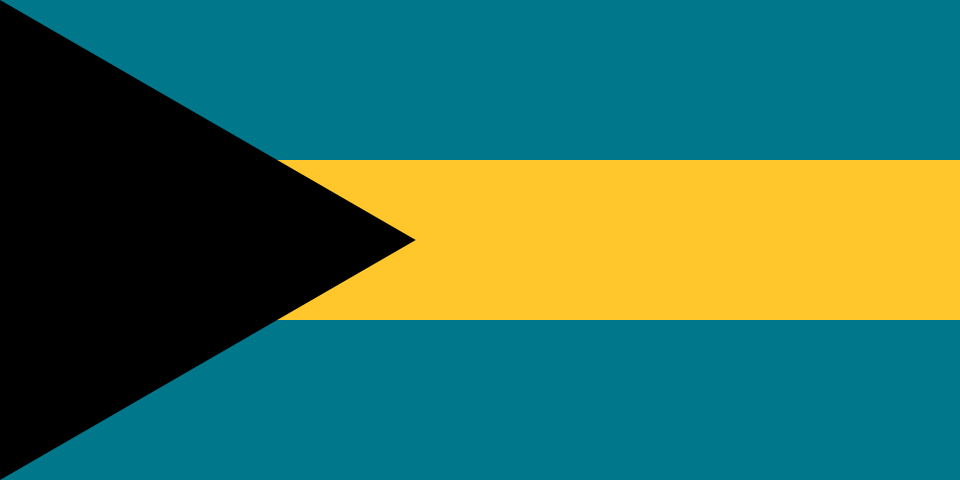
General:
Location:
Caribbean Sea
Sovereignty:
Independent
Capital:
Nassau
Population:
403,033
Land Area (km2):
10,010
Population Density (km2):
40
Language:
English
Literacy %:
95
Poverty %:
9.3
Currency:
Bahamian Dollar
Indices:
GDP +/- Growth %:
+3.4
World IHDI Score:
0.670 (67/192)
World Gini Score:
0.414
Indices Detail
GDP +/- Growth % measures the annual growth rate of the country’s GDP.
World IHDI Score (Inequality-adjusted Human Development Index) reflects average achievements in health, education, and income, adjusted for inequality.
Country Rank (#/192) (1 = best for both scores)
World Gini Score is a measure of income inequality; 0 represents perfect equality and 100 maximal inequality.