
Costa Rica
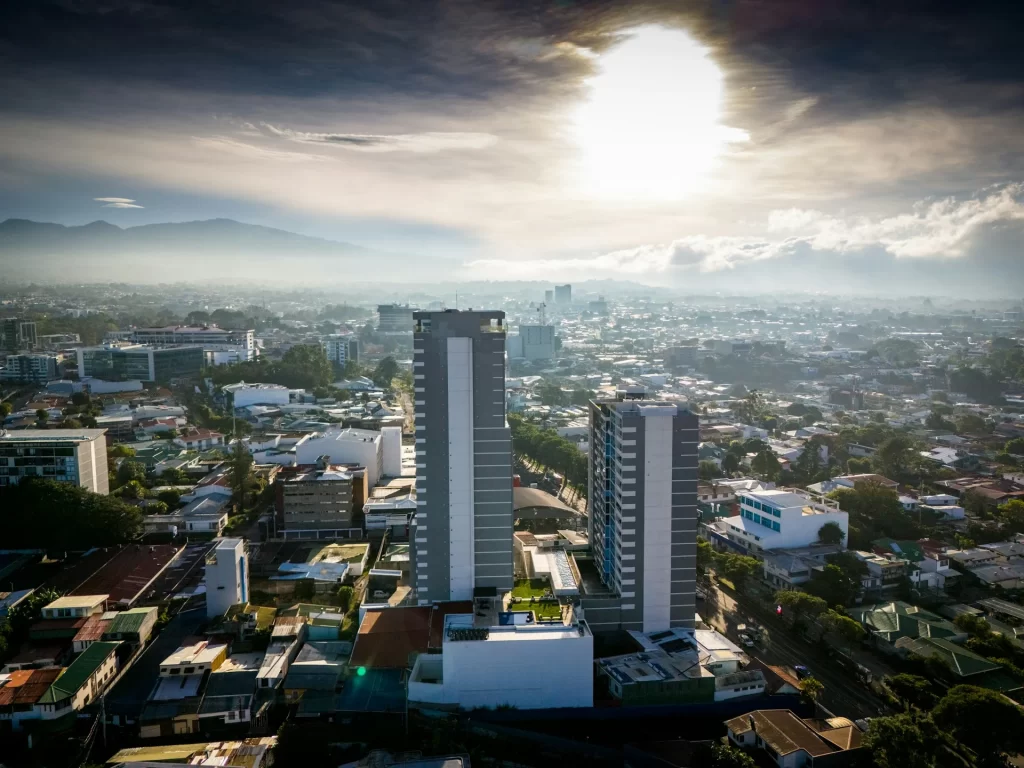
Costa Rica
Welcome to Costa Rica, a vibrant tropical paradise where lush rainforests meet golden beaches and breathtaking volcanoes. From the bustling streets of San José to the serene shores of the Nicoya Peninsula, this eco-friendly haven offers a perfect blend of adventure, culture, and relaxation. With warm, welcoming communities, abundant wildlife, and a lifestyle that celebrates “pura vida,” Costa Rica invites you to explore, unwind, and make this stunning country your new home.
Costa Rica remains a top destination for expatriates seeking a blend of natural beauty, stable governance, and a welcoming community.
Expat Details
Top Expat Locations in Costa Rica
Based on recent expat trends and local insights, here are some of the most favored locations for relocation in Costa Rica:
1. Atenas (Central Valley)
- Overview: Renowned for its mild climate, often cited as one of the best in the world, Atenas offers a tranquil lifestyle amidst lush landscapes.
- Highlights: A tight-knit expat community, modern amenities, and proximity to San José make it a popular choice for retirees and remote workers.
- Cost of Living: Generally affordable, with options to suit various budgets.
2. Santa Ana & Escazú (Central Valley)
- Overview: These upscale suburbs near San José provide urban conveniences with a suburban feel.
- Highlights: High-end shopping centers, international schools, and a plethora of dining options cater to expatriates seeking a cosmopolitan lifestyle.
- Cost of Living: Higher than other regions, reflecting the premium amenities and services available.
3. Grecia (Central Valley)
- Overview: A charming town known for its colonial architecture and vibrant local culture.
- Highlights: A welcoming atmosphere, active community events, and a slower pace of life appeal to those looking for authenticity.
- Cost of Living: Moderate, offering a balance between affordability and quality of life.
4. Playa Flamingo (Guanacaste)
- Overview: Located on the Pacific coast, Playa Flamingo is celebrated for its pristine beaches and upscale developments.
- Highlights: A growing expat community, luxury real estate, and recreational activities like boating and golfing attract affluent individuals.
- Cost of Living: On the higher end, consistent with its status as a luxury destination.
5. Uvita (Southern Pacific Zone)
- Overview: A serene coastal town nestled within the Ballena Marine National Park.
- Highlights: Rich biodiversity, whale-watching opportunities, and a laid-back lifestyle draw nature enthusiasts and those seeking tranquility.
- Cost of Living: Affordable, with options ranging from modest homes to eco-lodges.
6. San Isidro de El General (Southern Zone)
- Overview: Situated in the mountains above Dominical, this area offers a cooler climate and stunning landscapes.
- Highlights: A mix of rural charm and modern amenities, with access to both beaches and mountains.
- Cost of Living: Moderate, with a variety of housing options.
7. Puerto Viejo & Cahuita (Caribbean Coast)
- Overview: Known for their Afro-Caribbean culture, these towns offer a unique coastal experience.
- Highlights: Vibrant local culture, diverse wildlife, and a relaxed atmosphere appeal to artists, surfers, and those seeking a bohemian lifestyle.
- Cost of Living: Generally affordable, though some imported goods may be pricier due to the region’s remoteness.
Each of these locations offers distinct advantages depending on lifestyle preferences, budget, and desired amenities. Whether you’re seeking the cool highlands of Atenas, the beachside luxury of Playa Flamingo, or the cultural richness of Puerto Viejo, Costa Rica provides diverse options for expatriates.

Cost of Living
Costa Rica, with its tropical climate, stunning natural landscapes, and stable economy, has become a popular destination for expatriates seeking a relaxed and eco-friendly lifestyle. From urban hubs like San José to coastal towns like Tamarindo and Manuel Antonio, the country offers a wide range of living experiences. Understanding the cost of living in different regions is essential for planning a comfortable long-term stay.
Cost of Living
Cost of Living in Popular Expat Locations in Costa Rica
San José
San José, the capital city, is the country’s political and economic hub, attracting expats with urban amenities and access to services.
- Housing: One-bedroom apartments in central San José typically cost $500–$900 per month, while suburban areas range $350–$650 per month. Furnished or modern apartments can cost $700–$1,200 per month.
- Food: Casual meals cost $4–$8, mid-range restaurants $10–$20 per person, and monthly groceries average $150–$300 for one person.
- Transportation: Public buses are inexpensive ($0.50–$1 per ride), and taxis and ride-hailing services provide additional options. Many expats prefer using cars.
- Utilities and Internet: Utilities, including electricity, water, and gas, typically cost $80–$150 per month, and high-speed internet averages $30–$60 per month.
Tamarindo (Guanacaste)
Tamarindo, on the Pacific coast, attracts expats seeking a beach lifestyle, surfing, and a strong expat community.
- Housing: One-bedroom apartments near the beach range $600–$1,200 per month, while larger or furnished units can cost $900–$2,000. Luxury beachfront homes may exceed $3,000 per month.
- Food: Casual meals cost $4–$10, mid-range restaurants $10–$25 per person, and groceries average $200–$350 per month.
- Transportation: Limited public transport; many expats rely on cars or scooters. Taxi fares typically range $3–$10.
- Utilities and Internet: Utilities cost $80–$160 per month, and high-speed internet averages $30–$60 per month.
Manuel Antonio
Manuel Antonio, known for its national park and beaches, appeals to retirees and expats seeking a mix of coastal living and natural beauty.
- Housing: One-bedroom apartments cost $500–$1,000 per month, while furnished or larger units range $800–$2,000. Beachfront properties may exceed $2,500 per month.
- Food: Casual meals $4–$10, mid-range restaurants $10–$25 per person, and groceries average $200–$350 per month.
- Transportation: Cars are commonly used; buses are available but limited. Taxi fares are around $3–$10.
- Utilities and Internet: Utilities typically cost $80–$160 per month, and high-speed internet averages $30–$60 per month.
Other Popular Areas (Nosara, La Fortuna, Grecia)
Smaller towns and inland locations attract expats seeking affordability, tranquility, and immersion in nature.
- Housing: One-bedroom apartments cost $300–$700 per month, while larger or furnished units range $600–$1,200.
- Food: Casual meals $3–$8, mid-range restaurants $8–$20 per person, and groceries average $150–$300 per month.
- Transportation: Buses are available but less frequent; most expats use cars or scooters.
- Utilities and Internet: Utilities cost $70–$140 per month, and high-speed internet averages $25–$50 per month.
Additional Considerations for Expats
- Healthcare: Costa Rica offers public (Caja) and private healthcare. Private consultations typically cost $40–$80, and private insurance ranges $50–$200 per month depending on coverage.
- Entertainment and Lifestyle: Gyms, cultural events, outdoor activities, and leisure expenses are moderately priced, ranging $50–$150 per month, depending on lifestyle.
- Overall Budget: A comfortable lifestyle for a single expat generally ranges $900–$2,000 per month, depending on location, housing choice, and lifestyle.
Review
Costa Rica combines natural beauty, tropical climate, and a relaxed lifestyle with modern conveniences. Whether in urban San José, coastal Tamarindo, or the nature-rich surroundings of Manuel Antonio, expats can enjoy affordable housing, fresh local food, and a welcoming community. With accessible healthcare, diverse recreational activities, and moderate living costs, Costa Rica remains one of Central America’s most attractive destinations for retirees, remote workers, and long-term residents.

Quality of life
Costa Rica, renowned for its “pura vida” lifestyle, lush landscapes, and stable political environment, is a top choice for expatriates seeking a relaxed yet fulfilling life. From urban centers like San José to coastal towns such as Tamarindo and Manuel Antonio, the country offers a range of lifestyles that cater to retirees, remote workers, and adventure-seekers alike.
Quality of Life
Quality of Life in Favored Expat Areas in Costa Rica
San José
San José, the capital, is the country’s economic and cultural hub, appealing to expats who want urban conveniences.
- Community and Culture: San José has a vibrant mix of locals and expats, with access to cultural events, museums, theaters, and social clubs. English is widely spoken in expat circles, and community engagement is active.
- Lifestyle and Recreation: The city provides proximity to parks, hiking trails, coffee plantations, and nearby mountains. Urban amenities, shopping centers, and restaurants ensure a comfortable city lifestyle.
- Healthcare and Services: San José has the country’s best medical facilities, both public and private. Private clinics and hospitals provide high-quality care, making healthcare accessible for expats.
- Safety and Infrastructure: Infrastructure is reliable, with paved roads, electricity, water, and internet widely available. Certain neighborhoods are safer than others, so choosing a secure area is important.
Tamarindo (Guanacaste)
Tamarindo, a Pacific coastal town, attracts expats with its beaches, surfing culture, and vibrant social life.
- Community and Culture: Tamarindo has a lively expat community alongside locals, with social events, restaurants, and volunteer opportunities. The town maintains a friendly, beach-oriented culture.
- Lifestyle and Recreation: Surfing, sailing, snorkeling, and beach activities are daily pastimes. Fitness, yoga, and wellness communities are also active, supporting a healthy lifestyle.
- Healthcare and Services: Local clinics are available for basic care, with hospitals in nearby cities for more specialized treatment.
- Safety and Infrastructure: Tamarindo is considered relatively safe. Utilities, internet, and other services are reliable, though costs are slightly higher due to the tourist-centric location.
Manuel Antonio
Manuel Antonio is famous for its national park, beaches, and wildlife, making it a favorite for expats seeking natural beauty.
- Community and Culture: The expat community is tight-knit, with locals and foreigners coexisting in a friendly environment. Community events, eco-tourism activities, and cultural gatherings are common.
- Lifestyle and Recreation: Hiking, wildlife spotting, kayaking, and snorkeling define daily life. The relaxed pace encourages wellness, outdoor activities, and connection with nature.
- Healthcare and Services: Basic medical services are available locally, with advanced care accessible in larger nearby towns.
- Safety and Infrastructure: The area is considered safe for residents. Utilities, roads, and internet services are adequate, supporting comfortable long-term living.
Other Popular Areas (Nosara, La Fortuna, Grecia)
Smaller towns and inland regions appeal to expats seeking tranquility, natural surroundings, and slower-paced living.
- Community and Culture: These towns often feature smaller, engaged expat populations integrated with local communities. Social events, volunteer work, and local festivals are common.
- Lifestyle and Recreation: Eco-tourism, hiking, hot springs, wildlife watching, and wellness activities dominate life here. Residents often enjoy a deep connection with nature.
- Healthcare and Services: Clinics are available for routine care, but specialized treatment may require travel to larger cities.
- Safety and Infrastructure: Safety is generally high, with essential infrastructure like electricity, water, and internet available. Life here emphasizes simplicity and community support.
Key Factors Influencing Quality of Life
- Climate and Environment: Costa Rica’s tropical climate, abundant greenery, and beaches promote a healthy, outdoor-focused lifestyle.
- Community and Lifestyle: English-speaking expat networks, welcoming locals, and active communities facilitate social integration and engagement.
- Accessibility: Major international airports in San José and Liberia allow easy travel for work, leisure, and medical purposes.
- Pace of Life: Costa Rica’s “pura vida” lifestyle emphasizes relaxation, wellness, and balance, which many expats find appealing.
Review
Costa Rica offers an exceptional quality of life for expatriates seeking natural beauty, a relaxed pace, and active outdoor living. Whether in urban San José, coastal Tamarindo, or nature-rich Manuel Antonio, expats can enjoy modern conveniences, community engagement, and a healthy lifestyle. The combination of stable infrastructure, accessible healthcare, and welcoming culture makes Costa Rica one of Central America’s premier destinations for long-term residents, retirees, and remote workers.
Pros & Cons
Costa Rica, with its lush rainforests, stunning beaches, and friendly communities, attracts expatriates seeking a relaxed lifestyle, outdoor adventure, and a focus on wellness. While many aspects of living in Costa Rica are appealing, it is important to consider both advantages and potential challenges before relocating.
Pros & Cons
Pros and Cons of Relocating to Expat-Favored Areas in Costa Rica
Pros of Relocating to Costa Rica
- Natural Beauty and Outdoor Lifestyle
- Costa Rica offers mountains, beaches, rainforests, and wildlife, allowing for year-round outdoor activities such as hiking, surfing, and birdwatching.
- Popular expat areas like the Central Valley, Guanacaste coast, and the Nicoya Peninsula provide scenic landscapes and access to outdoor adventures.
- Costa Rica offers mountains, beaches, rainforests, and wildlife, allowing for year-round outdoor activities such as hiking, surfing, and birdwatching.
- Friendly and Welcoming Community
- Costa Ricans (“Ticos”) are known for their warmth and hospitality.
- Established expat communities make social integration easier, with clubs, meetups, and support networks.
- Costa Ricans (“Ticos”) are known for their warmth and hospitality.
- Political Stability and Safety
- Costa Rica is politically stable, with no standing army and a reputation for peaceful living.
- Expats often find crime rates lower in established expat areas compared to urban centers.
- Costa Rica is politically stable, with no standing army and a reputation for peaceful living.
- Healthcare Access
- Costa Rica provides both public (Caja) and private healthcare options.
- Private clinics and hospitals in expat-favored areas offer high-quality care, often at significantly lower costs than in the U.S.
- Costa Rica provides both public (Caja) and private healthcare options.
- Pura Vida Lifestyle
- The Costa Rican approach to life emphasizes balance, wellness, and a slower pace, appealing to retirees and those seeking less stressful living.
- The Costa Rican approach to life emphasizes balance, wellness, and a slower pace, appealing to retirees and those seeking less stressful living.
- Favorable Climate Options
- Expats can choose from coastal tropical climates or the milder temperatures of the Central Valley, allowing for comfortable living year-round.
- Expats can choose from coastal tropical climates or the milder temperatures of the Central Valley, allowing for comfortable living year-round.
Cons of Relocating to Costa Rica
- High Cost of Living in Popular Areas
- Coastal and tourist-heavy areas can be expensive, particularly for imported goods, housing, and dining.
- Some expat communities have costs comparable to mid-size U.S. cities.
- Coastal and tourist-heavy areas can be expensive, particularly for imported goods, housing, and dining.
- Bureaucracy and Residency Requirements
- Obtaining residency and navigating local bureaucracy can be time-consuming.
- Expatriates must be prepared for paperwork related to visas, taxes, and property ownership.
- Obtaining residency and navigating local bureaucracy can be time-consuming.
- Variable Infrastructure
- While urban centers and popular expat areas have reliable utilities and internet, rural regions may experience intermittent services.
- Roads outside major towns may be poorly maintained, making travel slower.
- While urban centers and popular expat areas have reliable utilities and internet, rural regions may experience intermittent services.
- Healthcare Limitations in Remote Areas
- Advanced medical procedures may require travel to larger cities like San José or Liberia.
- Public hospitals can have longer wait times, making private healthcare a preferred option for expats.
- Advanced medical procedures may require travel to larger cities like San José or Liberia.
- Weather and Natural Hazards
- Tropical storms and heavy rainfall can affect some regions, particularly the Caribbean coast.
- Humidity and heat may require acclimation for new residents.
- Tropical storms and heavy rainfall can affect some regions, particularly the Caribbean coast.
- Limited Job Market for Foreigners
- Employment opportunities are limited for non-residents; work permits are required for formal employment.
- Many expatriates rely on remote work, pensions, or investments rather than local employment.
- Employment opportunities are limited for non-residents; work permits are required for formal employment.
Review
Relocating to Costa Rica offers a combination of natural beauty, friendly communities, and a relaxed lifestyle. Expat-favored areas such as the Central Valley, Guanacaste, and the Nicoya Peninsula provide access to modern amenities, healthcare, and outdoor activities. However, high costs in popular areas, bureaucratic challenges, infrastructure variability, and limited employment opportunities are important considerations. Careful planning, realistic expectations, and selecting a suitable region can help expatriates enjoy Costa Rica’s stunning landscapes, favorable climate, and welcoming “Pura Vida” lifestyle while minimizing potential challenges.

Residency & Visas
Costa Rica, known for its lush rainforests, pristine beaches, and “Pura Vida” lifestyle, has become one of Central America’s most popular destinations for expatriates. The country offers a peaceful environment, strong healthcare system, and welcoming communities, making it ideal for retirees, remote workers, and those seeking a slower pace of life. Understanding Costa Rica’s residency and visa pathways is essential for anyone planning to make this tropical haven home.
Residency & Visas
Residency and Visa Options in Costa Rica: A Guide for Expats
Short-Stay and Tourist Visas
Visitors from most North American and European countries, including the U.S., Canada, and EU nations, can enter Costa Rica visa-free for up to 90 days. Proof of onward travel and sufficient funds is required at entry. For longer stays, or for nationals who do require a visa, Costa Rica offers temporary residency permits. The short-stay option allows potential residents to explore regions, evaluate lifestyle preferences, and plan long-term moves.
Residency Options
Costa Rica provides several pathways to legal long-term residency for expatriates, catering to retirees, investors, and working professionals:
- Pensionado Program (Retirement Visa): Available to individuals with a lifetime pension or retirement income of at least USD $1,000 per month, this program is ideal for retirees seeking a long-term stay. Pensionado residents enjoy straightforward procedures and can easily rent or purchase property.
- Rentista Program: Designed for those with a stable monthly income of at least USD $2,500 for at least two years or a lump-sum deposit in a Costa Rican bank, the Rentista Visa allows residency without requiring local employment. It is suitable for freelancers, remote workers, or passive income earners.
- Inversionista Program (Investor Visa): This visa grants residency to individuals who invest at least USD $200,000 in Costa Rica, whether in real estate, business, or other approved ventures. It is an attractive route for entrepreneurs or investors seeking permanent ties to the country.
- Work Visa: Foreigners intending to work in Costa Rica must obtain a work permit, typically tied to employment in a local company. Work-based residency can be a pathway to long-term settlement.
- Family Reunification: Allows spouses, minor children, and dependent parents of legal residents or citizens to join them in Costa Rica with full residency rights.
Permanent Residency and Citizenship
Residency permits in Costa Rica are generally renewable annually, and after five years of continuous legal residence, expats can apply for permanent residency. Citizenship may be granted after seven years of residency (five years for citizens of Central American countries), provided applicants demonstrate good conduct, integration, and financial stability. Costa Rica allows dual citizenship, making it an appealing option for expatriates wishing to retain their original nationality.
Life as a Resident Expat
Costa Rica offers an enviable lifestyle for residents, combining natural beauty, outdoor activities, and a focus on wellness and community. Healthcare is accessible, with both public and private systems, and English is widely spoken in expat-heavy regions such as the Central Valley, Guanacaste, and the Southern Pacific coast. While the cost of living is higher in popular beach towns, smaller inland communities provide affordable options without sacrificing quality of life.
Review
Costa Rica remains a top choice for expatriates seeking a combination of natural beauty, safety, and community. Its clear residency programs for retirees, investors, and working professionals make long-term living achievable, while the Pura Vida philosophy ensures a relaxed and fulfilling lifestyle. Whether you envision a quiet home in the mountains, a beachfront retreat, or a base for remote work, Costa Rica’s residency pathways provide a secure and rewarding route to living in this tropical paradise.
Healthcare
Costa Rica, known for its lush landscapes, friendly communities, and high quality of life, is a leading destination for expatriates seeking wellness, natural beauty, and safety. Healthcare is a central consideration for long-term residents, retirees, and remote workers. Costa Rica offers a well-regarded healthcare system that combines public and private services, with quality and access varying by region. Understanding healthcare in favored expat areas is key to planning for a secure and comfortable stay.
Healthcare
Healthcare in Favored Expat Areas in Costa Rica
San José and Central Valley
San José, the capital, and the surrounding Central Valley are popular with expats seeking urban convenience and access to major services.
- Facilities and Services: San José hosts some of the country’s largest hospitals, including public institutions like Hospital México and private hospitals such as CIMA Hospital and Hospital Clínica Bíblica.
- Private Healthcare: Private hospitals offer international standards, shorter wait times, and English-speaking staff. Specialists in cardiology, dentistry, orthopedics, and ophthalmology are widely available.
- Access and Convenience: Pharmacies are well-stocked with local and imported medications. Public and private healthcare services are easily accessible, with modern diagnostic and treatment equipment.
Guanacaste (Liberia, Tamarindo, Playa Flamingo)
Guanacaste, known for its beaches and tropical lifestyle, attracts retirees and expatriates seeking coastal living.
- Facilities and Services: Liberia hosts hospitals and clinics providing general care, with private facilities available in beach towns.
- Private Healthcare: Many expats rely on private clinics for routine care and minor procedures. English-speaking doctors are commonly available in expat-friendly areas.
- Access and Convenience: For specialized care or major procedures, residents often travel to San José, approximately 3–4 hours by road or a short domestic flight.
- Emergency Services: Local clinics provide emergency care, but serious cases may require transport to larger hospitals.
Central Pacific Coast (Jaco, Manuel Antonio, Quepos)
The Central Pacific Coast appeals to expats seeking scenic beauty, outdoor recreation, and an active lifestyle.
- Facilities and Services: Local clinics provide routine medical care, vaccinations, and minor emergencies. Larger hospitals in nearby cities provide more complex care.
- Private Healthcare: English-speaking doctors and private clinics are available, catering to expatriates.
- Access and Convenience: Travel to San José or nearby private hospitals is common for specialized procedures.
- Emergency Services: Local emergency care is reliable for moderate situations; medical evacuation may be needed for severe cases.
Southern Zone and Other Coastal Regions (Dominical, Uvita, Osa Peninsula)
These areas attract expats looking for tranquility, nature, and a slower pace of life.
- Facilities and Services: Healthcare is more limited, with small clinics handling basic care, checkups, and minor emergencies.
- Private Healthcare: Some private practitioners provide localized services, but major treatment typically requires travel to San José or other larger towns.
- Access and Convenience: Planning for emergencies and regular checkups is important, as specialized care is not available locally.
- Emergency Services: Access to emergency services may involve longer response times or travel to urban centers. Medical evacuation coverage is recommended for serious cases.
Key Factors Influencing Healthcare Quality
- Access to Specialists: Specialized treatments are concentrated in San José, with regional hospitals handling general care. Expats in remote areas may need to plan travel.
- Public vs. Private Care: Costa Rica’s public system (Caja Costarricense de Seguro Social) provides broad coverage, while private hospitals offer shorter wait times, higher service standards, and English-speaking staff.
- Medical Insurance: Comprehensive private health insurance is highly recommended for expatriates, covering private care and potential medical evacuation.
- Emergency Services: Ambulance services are available in urban areas, but remote regions may require longer response times or travel to major hospitals.
Review
Costa Rica offers a high-quality healthcare system for expatriates, particularly in San José, the Central Valley, and coastal regions like Guanacaste and the Central Pacific. Private hospitals and clinics provide international standards, while public facilities ensure accessibility for routine and emergency care. For residents in more remote areas, planning for specialized care and emergency transport is essential. With appropriate insurance and awareness of local services, expats can enjoy a secure, healthy, and comfortable lifestyle in Costa Rica while taking advantage of the country’s natural beauty, friendly communities, and relaxed pace of life.

Safety & Security
Costa Rica, with its lush landscapes, tropical climate, and stable democracy, is a top destination for expatriates seeking natural beauty, relaxed living, and a high quality of life. Safety and security are important considerations for long-term residents and retirees. Understanding local conditions, crime patterns, and practical precautions is key to enjoying a secure and comfortable stay.
Safety & Security
Safety and Security in Favored Expat Areas in Costa Rica
San José and Central Valley
San José, the capital, and surrounding Central Valley towns are major hubs for expatriates, offering urban amenities and access to services.
- Crime Overview: Urban areas may experience petty theft, pickpocketing, and occasional burglary. Violent crime is less common in expatriate neighborhoods but can occur in certain districts.
- Safety Measures: Many expats live in gated communities or secure condominiums. Using reputable transportation, avoiding poorly lit areas at night, and securing homes reduces risks.
- Emergency Services: Police and emergency services are reliable in urban areas. Hospitals and clinics are accessible and staffed with trained personnel.
Guanacaste and Pacific Coast
Guanacaste’s coastal towns, including Tamarindo, Playa Flamingo, and Playas del Coco, are popular with expatriates seeking beach living and outdoor activities.
- Crime Overview: Crime is generally low in tourist and expat-heavy areas, though petty theft can occur, particularly in crowded public spaces or markets. Violent crime is rare in well-populated expat areas.
- Safety Measures: Many expats live in gated communities or resort-style developments. Locking vehicles, securing valuables, and using caution on beaches at night are recommended.
- Emergency Services: Medical facilities are available locally, with major hospitals in Liberia for serious emergencies.
Central Pacific (Jaco, Herradura, Manuel Antonio)
These areas attract expatriates seeking beach access, surfing, and a lively community atmosphere.
- Crime Overview: Petty theft and opportunistic crime occur occasionally, especially in tourist-heavy zones. Gated communities and private security help maintain safety for expatriates.
- Safety Measures: Avoid isolated areas at night, keep valuables secure, and use licensed taxis or rideshare services.
- Emergency Services: Hospitals and clinics are accessible in Jaco and surrounding areas, with emergency transport available to larger cities if needed.
Southern Zone and Osa Peninsula
Remote areas, including the Osa Peninsula, attract expatriates seeking adventure, eco-living, and natural beauty.
- Crime Overview: These areas have very low crime rates, particularly in small communities and private properties. Petty theft may occur but is rare. Violent crime is uncommon.
- Safety Measures: Standard precautions, such as locking doors and monitoring visitors, are generally sufficient. Expats often rely on local networks for support.
- Emergency Services: Medical services are limited and may require travel to larger towns. Expats should have emergency plans, including access to evacuation routes.
Key Factors Influencing Safety and Security
- Community Type: Gated communities, secure condominiums, and resort-style developments provide the highest level of safety for expatriates.
- Local Awareness: Staying informed about local news, avoiding risky areas, and understanding traffic and outdoor safety regulations improves overall security.
- Natural Hazards: Costa Rica is prone to tropical storms, heavy rains, and occasional earthquakes. Preparedness, evacuation plans, and adherence to local advisories are essential.
- Emergency Preparedness: Knowledge of nearby hospitals, clinics, and emergency contacts is critical, particularly in remote or rural areas.
Review
Expatriates in Costa Rica can enjoy a safe and secure lifestyle by choosing well-serviced towns, gated communities, or popular coastal areas. Urban centers like San José and Guanacaste require standard precautions, while remote regions generally offer lower crime rates but require careful planning for emergencies. Understanding local risks, maintaining situational awareness, and preparing for natural hazards ensures a comfortable, safe, and enjoyable experience in this tropical paradise.

Climate
Costa Rica, with its tropical rainforests, beaches, and volcanic highlands, attracts expatriates seeking outdoor adventure, a relaxed lifestyle, and diverse natural environments. Understanding the climate, seasonal patterns, and humidity levels is essential for comfortable daily living and planning activities.
Climate
Climate in Favored Expat Areas in Costa Rica
San José (Central Valley)
San José, the capital, is located in the Central Valley, offering urban amenities and moderate temperatures.
- Temperature: Average daily highs range from 24–27°C (75–81°F) year-round; average lows from 15–18°C (59–64°F).
- Humidity: Relative humidity averages 70–80%, making mornings and evenings feel cooler.
- Rainfall: Wet season runs May–November with afternoon showers; dry season is December–April with minimal rainfall.
- Notes for Expats: Central Valley living is comfortable year-round; light layers are recommended for cooler mornings and evenings.
Guanacaste Coast (Tamarindo, Liberia)
Guanacaste is popular with expatriates seeking beach living, warm weather, and resort-style communities.
- Temperature: Average highs are 29–34°C (84–93°F); average lows 21–24°C (70–75°F).
- Humidity: Humidity averages 65–75%, lower than other coastal regions, creating a dry tropical feel.
- Rainfall: Wet season is May–November with brief, heavy afternoon rains; dry season December–April is sunny and dry.
- Notes for Expats: Coastal breeze reduces heat discomfort; air conditioning is often used during peak summer months.
Central Pacific Coast (Jaco, Manuel Antonio)
This region attracts expatriates seeking beaches, wildlife, and easy access to San José.
- Temperature: Average highs range 28–32°C (82–90°F); average lows 21–24°C (70–75°F).
- Humidity: Humidity is higher here, averaging 75–85%, especially during the wet season.
- Rainfall: Wet season May–November brings frequent afternoon showers; dry season December–April is sunny and warm.
- Notes for Expats: Mosquito protection is advisable during wet season; shade and hydration are important for comfort.
Southern Zone (Osa Peninsula, Drake Bay)
Southern Costa Rica offers remote living, wildlife, and rainforest experiences.
- Temperature: Average highs 27–31°C (81–88°F); average lows 20–24°C (68–75°F).
- Humidity: Very high, averaging 80–90%, especially in the rainforest areas.
- Rainfall: Wet season is pronounced from May–November; dry season December–April is shorter with occasional rain.
- Notes for Expats: Rainforest conditions mean daily rain and high humidity; homes and clothing need to account for moisture.
Key Climate Considerations for Expats
- Tropical Warmth: Coastal areas are hot year-round, while highlands like San José are milder.
- Humidity: Humidity is high across the country, especially in rainforest and coastal areas; it affects comfort, clothing, and home ventilation.
- Wet and Dry Seasons: Wet season runs May–November with afternoon or evening rains; dry season December–April is sunny, making it ideal for outdoor activities.
- Outdoor Lifestyle: Hiking, beach living, and outdoor activities are best planned during the dry season. Coastal breezes and elevation in the Central Valley help mitigate heat and humidity.
Review
Expatriates in Costa Rica can enjoy diverse climates ranging from mild highlands to tropical beaches and rainforests. San José offers comfortable year-round living, Guanacaste is ideal for sun-loving beach enthusiasts, and the Central Pacific and Southern zones provide lush landscapes with higher humidity. Understanding seasonal patterns, preparing for wet-season rainfall, and planning activities around temperature and humidity ensures a comfortable, enjoyable lifestyle in Costa Rica’s natural paradise.
Infrastructure & Amenities
Costa Rica, with its lush landscapes, beaches, and welcoming expat communities, attracts expatriates seeking comfort, convenience, and a high quality of life. Understanding local infrastructure and available amenities is essential for daily living, long-term relocation, and enjoying the country’s natural beauty.
Infrastructure & Amenities
Infrastructure and Amenities in Favored Expat Areas in Costa Rica
San José and Central Valley
San José and the surrounding Central Valley are popular with expatriates seeking urban conveniences, international schools, and healthcare access.
- Transportation: San José has a network of roads and highways connecting major cities. Juan Santamaría International Airport provides international flights, and public buses and taxis serve daily commutes. Car ownership is common for convenience.
- Healthcare: Costa Rica offers excellent healthcare services, including private hospitals, clinics, and specialized medical care. Many doctors speak English, and private insurance is widely available.
- Utilities and Services: Reliable electricity, water, and high-speed internet are available throughout the Central Valley. Mobile and landline services are robust.
- Shopping and Dining: Modern supermarkets, shopping malls, and international restaurants are abundant. Local markets offer fresh produce, coffee, and artisanal goods.
- Education: Numerous private and international schools provide American, British, and bilingual curricula for expatriate families.
Guanacaste and Pacific Coast
Guanacaste, including Tamarindo, Playas del Coco, and Nosara, is favored by expatriates seeking beach life, golf, and a relaxed lifestyle.
- Transportation: Daniel Oduber Quirós International Airport connects the region internationally. Roads vary in quality; many neighborhoods require a car for daily travel.
- Healthcare: Private clinics and regional hospitals provide healthcare; complex procedures may require travel to San José.
- Utilities and Services: Electricity and water supply are reliable in urbanized areas; internet access is available but may be slower in rural communities.
- Shopping and Dining: Coastal towns offer supermarkets, restaurants, and cafes. Local farmers’ markets provide fresh produce and seafood.
- Education: Several bilingual and international schools serve expatriate families.
Central Pacific (Jaco, Puntarenas, Manuel Antonio)
These areas attract expatriates seeking coastal living with convenient amenities and access to national parks.
- Transportation: Well-maintained roads connect towns with San José; taxis and buses are available for local travel.
- Healthcare: Private clinics provide general medical care; larger hospitals in nearby cities handle specialized treatments.
- Utilities and Services: Electricity, water, and internet services are reliable in towns; rural properties may require additional planning.
- Shopping and Dining: Grocery stores, restaurants, and small shopping centers are accessible; local markets offer fresh seafood.
- Education: Bilingual and private schools are available in larger towns; homeschooling is an option in smaller communities.
Key Infrastructure Considerations for Expats
- Transportation: Well-developed in urban and coastal areas; remote regions may require private vehicles.
- Healthcare: High-quality private healthcare is widely available; public facilities serve residents but may have longer wait times.
- Utilities: Reliable electricity, water, and internet in towns; rural areas may require additional planning.
- Shopping and Dining: Coastal and urban areas provide modern amenities; local markets offer fresh produce and artisanal goods.
- Education: International and bilingual schools serve expatriate families; homeschooling is common in remote areas.
Review
Expatriates in Costa Rica can enjoy a combination of modern infrastructure and natural beauty. Urban centers like San José and beach towns in Guanacaste and the Central Pacific provide convenient access to healthcare, shopping, schools, and utilities, while still offering proximity to beaches, mountains, and national parks. Understanding transportation, healthcare, utilities, and educational options ensures comfort and ease while enjoying Costa Rica’s scenic landscapes and vibrant expat communities.

General:
Location:
Caribbean Sea/North Pacific Ocean
Sovereignty:
Independent
Capital:
San Jose
Population:
5,152,950
Land Area (km2):
51,060
Population Density (km2):
101
Language:
Spanish
Literacy %:
94
Poverty %:
12.6
Currency:
Costa Rican Colón
Indices:
GDP +/- Growth %:
+4.3
World IHDI Score:
0.678 (65/192)
World Gini Score:
45.8
Indices Detail
GDP +/- Growth % measures the annual growth rate of the country’s GDP.
World IHDI Score (Inequality-adjusted Human Development Index) reflects average achievements in health, education, and income, adjusted for inequality.
Country Rank (#/192) (1 = best for both scores)
World Gini Score is a measure of income inequality; 0 represents perfect equality and 100 maximal inequality.