
Cyprus
Cyprus
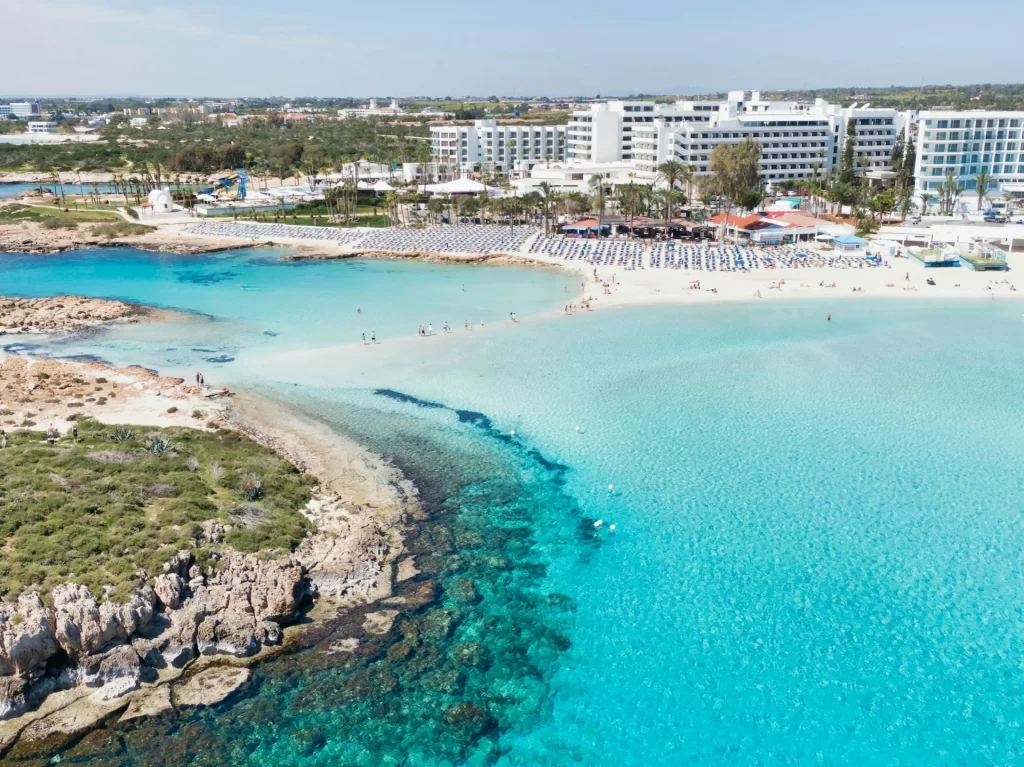
Cyprus, the third-largest island in the Mediterranean, offers a blend of sun-soaked beaches, ancient history, and vibrant modern culture. From the cosmopolitan streets of Nicosia to the coastal allure of Limassol, Paphos, and Larnaca, Cyprus presents an inviting lifestyle for expatriates and retirees. With Mediterranean cuisine, scenic landscapes, and a temperate climate, the island balances cultural richness and natural beauty, making it an ideal destination for long-term relocation by the sea.
Expat Details
COASTAL HIGHLIGHTS — POPULAR AREAS FOR EXPATS AND RETIREES
- Limassol: Cosmopolitan city with beaches, nightlife, and international expat community.
- Paphos: Historic town with cultural sites, seaside living, and strong retiree presence.
- Larnaca: Coastal city with beaches, airport access, and growing expat population.
- Ayia Napa & Protaras: Tourist hubs with vibrant nightlife and beautiful beaches.
- Troodos Mountains: Cooler inland retreat with hiking, nature, and traditional villages.
Review
Cyprus combines Mediterranean beauty, a sunny climate, and a relaxed lifestyle appealing to retirees, families, and expatriates. Coastal towns, historic cities, and cultural experiences provide diverse living opportunities. While some areas are seasonal and services may fluctuate, Cyprus offers safety, accessible healthcare, and a welcoming community, making it an ideal relocation destination for those seeking a long-term Mediterranean home.
Cost of Living
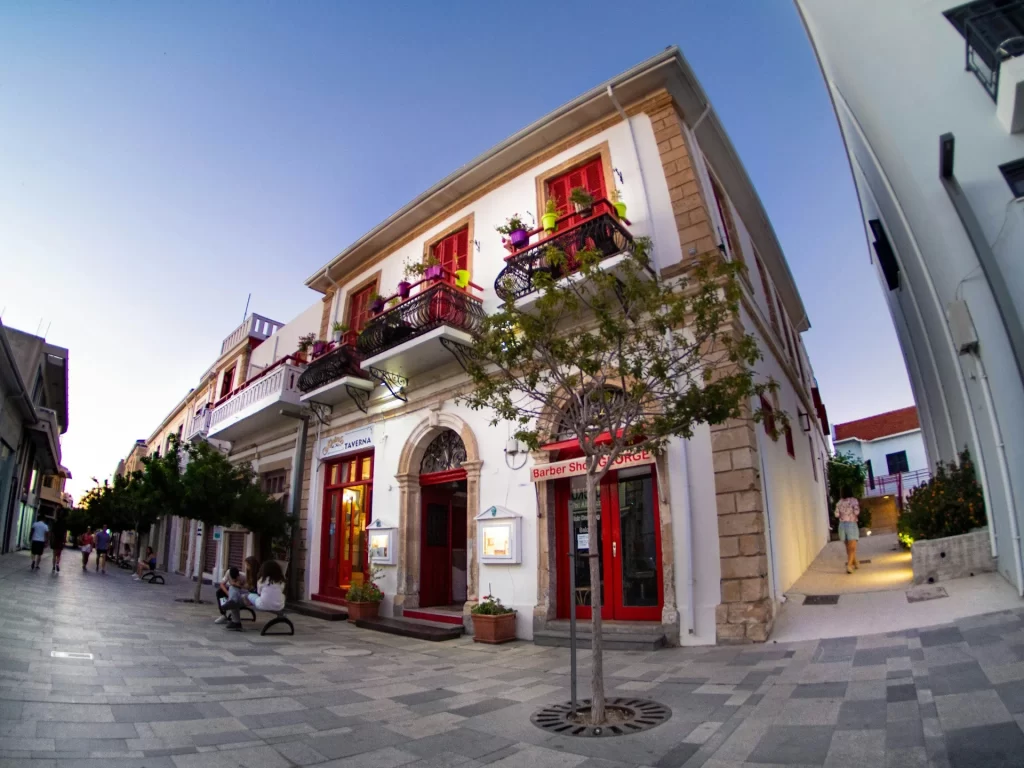
The cost of living in Cyprus is generally moderate, though it varies significantly between urban centers, popular coastal resorts, and rural areas. Daily expenses such as groceries, utilities, and transportation are reasonable compared to other European destinations, but luxury coastal properties, imported goods, and private schooling can elevate costs. Awareness of regional differences and lifestyle choices is essential for expats planning a sustainable, comfortable relocation.
Cost of Living
- Housing: One-bedroom apartments in Limassol or Nicosia: €700–€1,200/month; villas along the coast: €1,500–€3,500/month.
- Utilities: Electricity, water, and gas €100–€200/month; air conditioning costs can be significant in summer.
- Groceries: Fresh local produce, seafood, and dairy are affordable; imported items are pricier.
- Dining: Casual meals €10–€20; mid-range restaurants €25–€50 per person.
- Transportation: Public buses available in major towns; car ownership recommended for rural or coastal exploration.
Quality of life
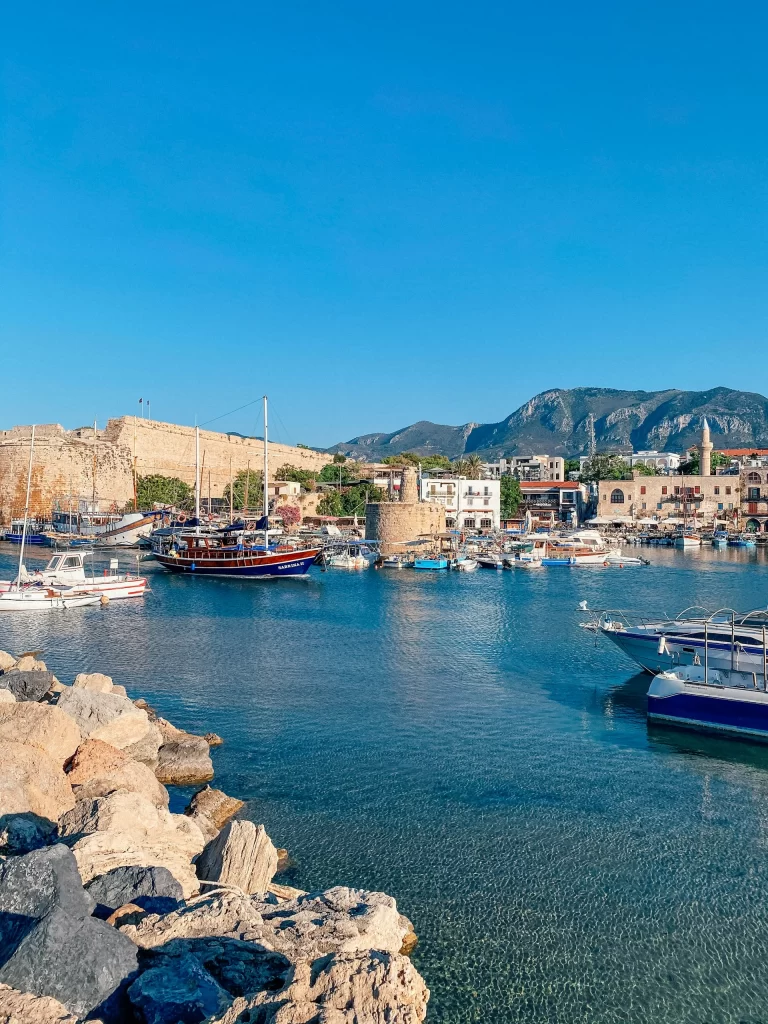
Cyprus offers a relaxed Mediterranean lifestyle with abundant outdoor opportunities, including beaches, hiking trails, and water sports. The island’s rich history, vibrant festivals, and thriving expat communities contribute to a high quality of life. Healthcare, shopping, and leisure amenities are widely accessible in urban centers. English is commonly spoken, particularly in tourist and expatriate areas, helping new residents integrate more easily into local life.
Quality of Life
- Community: Strong expat networks in Limassol, Paphos, and Larnaca.
- Culture: Ancient ruins, museums, and lively local festivals.
- Lifestyle: Beaches, sailing, cycling, hiking, and local gastronomy.
- Language: Greek and Turkish are official; English widely spoken in urban and tourist areas.
- Entertainment: Cultural events, local markets, and coastal leisure activities.
Pros & Cons
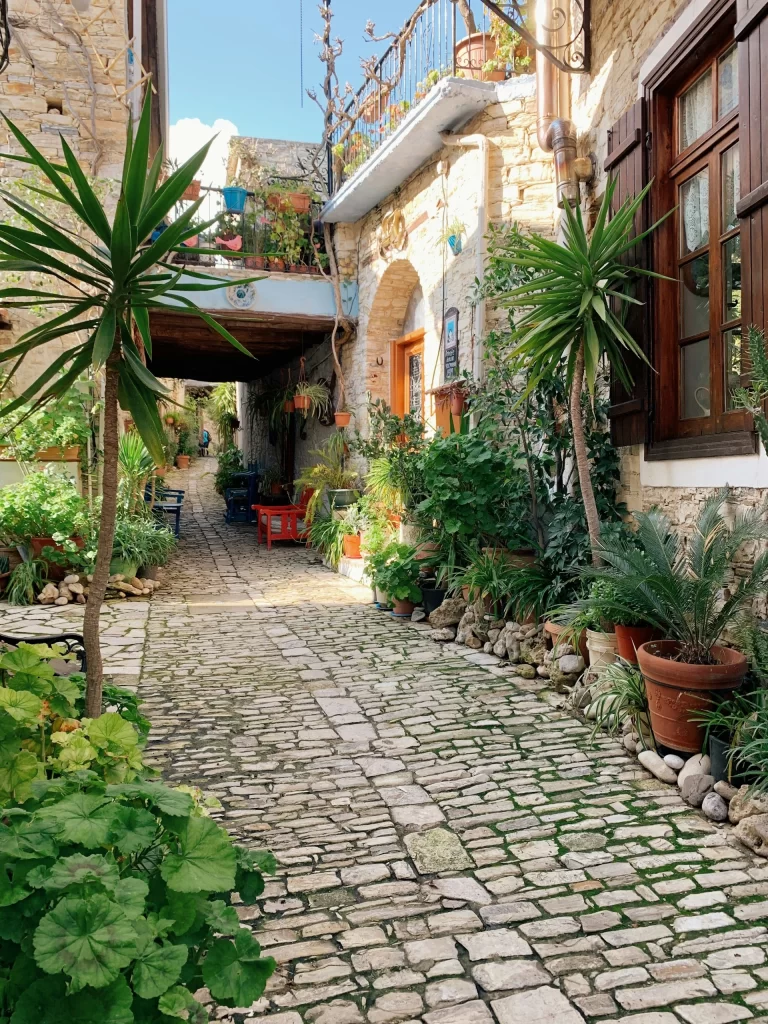
Cyprus’ appeal lies in its Mediterranean climate, relaxed pace, and natural beauty. Coastal living, historical sites, and outdoor recreation attract retirees and expats. Challenges include higher living costs in popular coastal towns, bureaucracy for non-EU residents, and seasonal fluctuations in services. Weighing the benefits and potential limitations is key to making an informed relocation decision.
Pros & Cons
Pros
- Year-round sunshine and mild winters.
- Rich history, culture, and Mediterranean cuisine.
- Safe environment with low crime rates.
- Active expat communities and English widely spoken.
- Access to both beaches and mountainous scenery.
Cons
- Higher property prices in Limassol and Paphos.
- Bureaucratic procedures for non-EU residents.
- Seasonal variation in services and amenities.
- Limited public transport outside major towns.
- Healthcare quality varies between public and private sectors.
Residency & Visas
Cyprus offers residency options for EU and non-EU citizens, including long-term visas and the popular Permanent Residency Program. Property investment can facilitate residency for non-EU nationals, while EU citizens enjoy freedom of movement and straightforward registration. Understanding visa pathways, residency permits, and property regulations is crucial for a smooth relocation.
Residency & Visas
- EU Citizens: Free to live, work, and register at local municipalities.
- Non-EU Citizens: Long-term visas and permanent residency available; property ownership can assist eligibility.
- Permanent Residency: Granted to those meeting financial and property requirements.
- Property Ownership: Available to both EU and non-EU citizens; legal protections exist.
- Family Reunification: Permitted under residency regulations.
Healthcare
Cyprus offers both public (GESY) and private healthcare services. Urban areas provide well-equipped hospitals and clinics, while rural regions may have limited access to specialized care. Expats are encouraged to enroll in the public system or secure private insurance to ensure timely and comprehensive medical attention. Healthcare standards are generally high, with English-speaking medical staff available in major centers.
Healthcare
- Facilities: Hospitals in Nicosia, Limassol, and Paphos provide comprehensive services.
- Private Healthcare: Popular among expats for shorter wait times and specialized care.
- Insurance: Recommended for non-EU residents and private sector users.
- Pharmacies: Widely available; prescription medications require doctor consultation.
- Emergency Services: Ambulance and urgent care are accessible in towns; rural response may be slower.
Safety & Security
Cyprus is considered a safe island for expatriates, with low crime rates and secure coastal communities. Petty theft may occur in tourist areas, but violent crime is rare. Being aware of local conditions and following basic precautions ensures a secure and enjoyable lifestyle.
Safety & Security
- Crime: Low overall; petty theft possible in tourist hotspots.
- Community Safety: Close-knit coastal towns provide a secure environment.
- Natural Hazards: Minimal; occasional storms can affect coastal regions.
- Emergency Services: Police, fire, and medical response available in urban centers; slower in rural areas.
- Precautions: Standard security measures recommended, particularly during peak tourist season.
Climate
Cyprus enjoys a classic Mediterranean climate with hot, dry summers and mild, wet winters. Sunshine is abundant most of the year, while sea breezes moderate coastal temperatures. Seasonal rainfall primarily occurs during winter, creating lush inland landscapes. Understanding the island’s climate is vital for planning housing, outdoor activities, and lifestyle preferences for expats.
Climate
- Summer (June–September): Average highs 30–35°C (86–95°F); minimal rainfall; ideal for beach and water activities.
- Winter (December–February): Average highs 15–20°C (59–68°F); cooler nights; occasional rain.
- Spring & Autumn: Mild and pleasant; fewer tourists; ideal for sightseeing and outdoor recreation.
- Humidity: Moderate, with coastal breezes improving comfort in summer.
- Microclimates: Inland mountains experience cooler temperatures and occasional frost in winter.
Infrastructure & Amenities
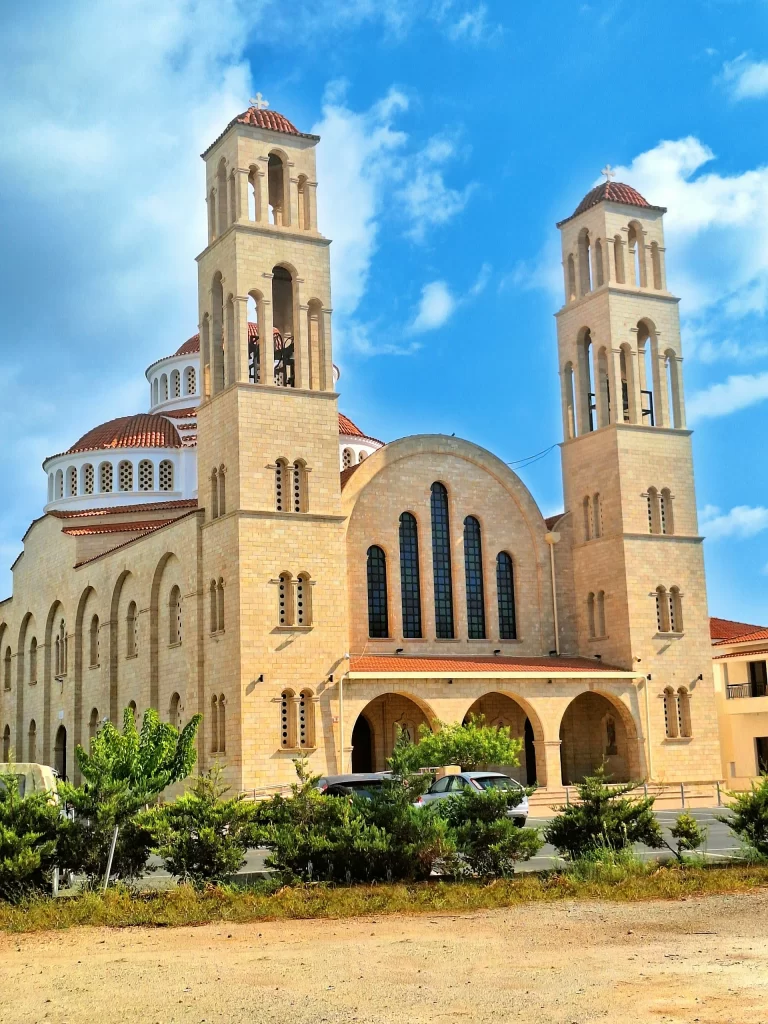
Cyprus provides well-developed infrastructure and amenities for expatriates. Urban areas have reliable roads, utilities, broadband internet, banking, healthcare, and international schools. Ports, airports, and public transport connect major towns and coastal resorts. Rural areas may require private transport planning, but modern amenities in cities and popular coastal regions support a comfortable Mediterranean lifestyle.
Infrastructure & Amenities
- Transport: Public buses available; car ownership recommended for exploring rural or coastal regions.
- Utilities: Reliable electricity, water, and gas; occasional outages in remote areas.
- Internet & Telecom: Broadband widely available in towns; mobile coverage generally reliable.
- Banking & Finance: Local and international banks provide full services; ATMs common in urban centers.
- Education: International and private schools available in major towns; local Greek and Turkish schools also accessible.
- Air & Sea Access: Larnaca and Paphos airports connect internationally; ports offer ferries and shipping services.
General:
Location:
Mediterranean Sea
Sovereignty:
Independent
Capital:
Nicosia
Population:
1,370,754
Land Area (km2):
9,251
Population Density (km2):
148
Language:
Greek, Turkish
Literacy %:
99.4
Poverty %:
17.1
Currency:
Euro
Indices:
GDP +/- Growth %:
+3.4
World IHDI Score:
0.841 (22/192)
World Gini Score:
31.8
Indices Detail
GDP +/- Growth % measures the annual growth rate of the country’s GDP.
World IHDI Score (Inequality-adjusted Human Development Index) reflects average achievements in health, education, and income, adjusted for inequality.
Country Rank (#/192) (1 = best for both scores)
World Gini Score is a measure of income inequality; 0 represents perfect equality and 100 maximal inequality.