
Germany
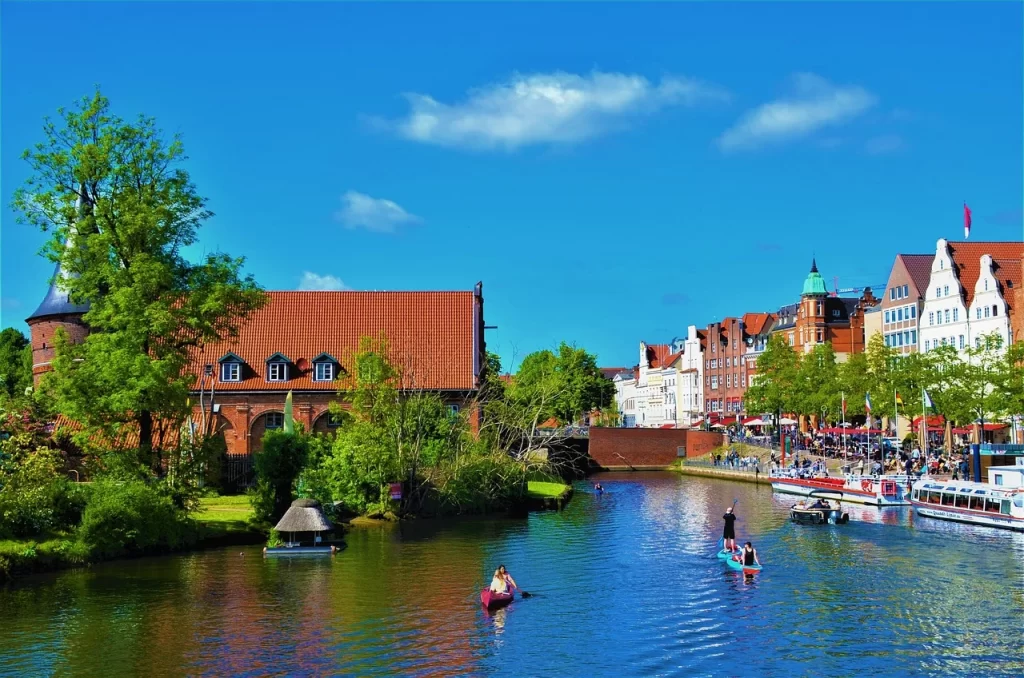
Germany
Welcome to Germany — a nation where rugged North Sea islands, the sandy Baltic shores, and lively port cities meet centuries of maritime history and efficient modern living. Picture mornings cycling along a Baltic promenade, afternoons exploring Hanseatic warehouses in Hamburg, and evenings at a cozy seaside café in a village on the North Sea dyke: coastal Germany blends outdoor life and cultural depth with world-class public services. For expats and retirees seeking coastal or island living, Germany offers stability, excellent infrastructure, and easy access to the rest of Europe — but it also demands that newcomers understand local rules on housing, residency, and weather-driven coastal management.
Expat Details
PRACTICAL CHECKLIST FOR COASTAL RELOCATION — GERMANY
- Scout first: Visit chosen coastal towns in different seasons to test year-round life and service availability.
- Residency route: Choose between Blue Card, work permit, self-employment or family-based paths and confirm current salary thresholds and employer sponsorship requirements. Make It in Germany+1
- Budget realistically: account for higher housing in popular coastal cities, ferry or island access costs, winter heating and insurance for coastal exposure.
- Health coverage: arrange statutory or private health insurance as appropriate; check registration steps with local Krankenkasse. Expatica
- Local due diligence: check municipal hazard maps, dyke protection, shore-use restrictions and building codes for waterfront properties. World Ocean Review
- Connectivity: verify broadband speeds and ferry schedules for island or remote properties.
- Legal & tax advice: consult notaries and tax advisors on property purchase, rental income rules and filing obligations as a non-resident owner. PTI Returns
Review
Coastal Germany offers a richly varied set of lifestyles — from the cosmopolitan, busy ports of Hamburg and Kiel to quiet Baltic archipelago islands and Wadden Sea villages. For expats and retirees, the strengths are clear: strong public services, excellent transport, safe communities and immediate access to nature. The practical realities — housing affordability in hot markets, seasonal service variability, and climate-driven coastal risk — require informed choices and careful planning. With the right research, local advice and seasonal visits, coastal Germany can deliver a secure, active and culturally rich place to call home.
KEY SOURCES & HELPFUL LINKS
- Germany’s official guidance on the EU Blue Card and skilled migration (Make it in Germany). Make It in Germany
- Federal Foreign Office — residence visa and long-stay guidance. Germany.info
- Expat guides to health insurance and GKV/PKV differences. Expatica+1
- Ferry connections and ports (Kiel, Rostock services). Direct Ferries+1
- Reports and resources on coastal climate risks and adaptation.henry.baw.de+1
Cost of Living
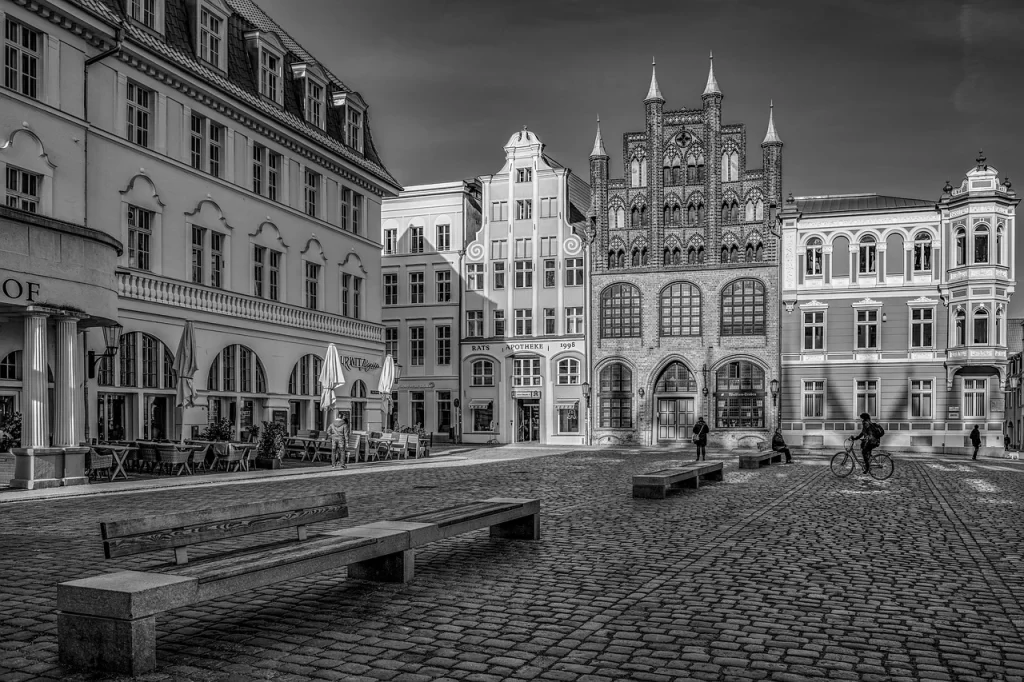
Coastal Germany’s cost of living ranges from moderate to high depending on where you set down roots. Urban maritime hubs such as Hamburg and parts of the North Sea and Baltic coasts (e.g., islands and tourist towns) can command elevated prices for housing and seasonal services, while smaller port towns and inland coastal districts typically remain more affordable. Beyond headline rent or purchase costs, expats should budget for heating and insulation (important in windy maritime climates), seasonal tourism-driven price spikes, possible ferry or boat ownership expenses for island life, and local taxes and insurance that reflect coastal exposure to salt, wind and moisture.
Cost of Living
- Housing: Coastal cities such as Hamburg and some attractive island markets (Sylt, Norderney) are among the priciest in the region; one-bedroom central apartments in major coastal cities often match or exceed national city averages. Smaller towns along the Baltic and North Sea coasts (Rostock, Wilhelmshaven, Bremerhaven) usually offer lower rents and more house-for-money value. Recent national attention on rent pressures has led to policy proposals to extend rent-control measures in some areas. Reuters
- Utilities & Heating: Expect meaningful winter heating costs despite high insulation standards—electricity and heating spikes can occur during cold snaps. Salt air also increases maintenance needs for building exteriors and vehicles.
- Groceries & Services: Local seafood and regional produce are affordable near supply centers, though specialty or imported items may cost more in remote island communities. Dining out and local services in tourist hotspots are more expensive during high season.
- Transport & Connectivity: Public transit in coastal cities (trams, buses, regional trains, ferries) is economical; island residents should budget for ferry fares, occasional vehicle transport costs and winter disruption contingencies.
- Taxes & Fees: Income taxes are progressive and include federal and state components—overall tax burden can be significant and varies with income level and state of residence. Expatica+1
Quality of life
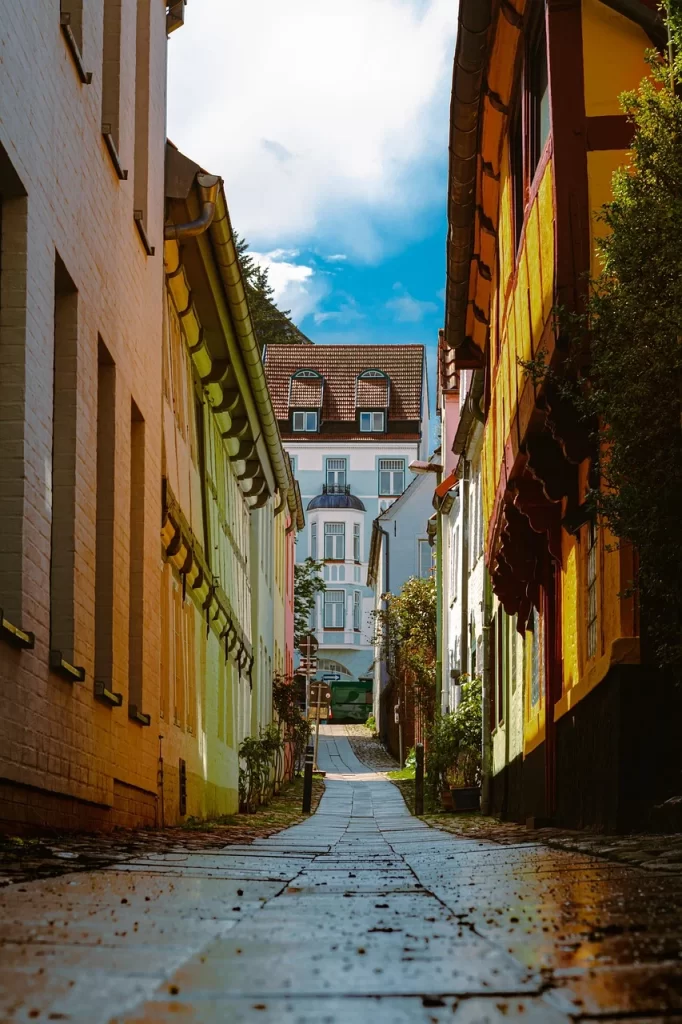
Coastal Germany offers a high quality of life anchored in strong public services, a culture of outdoor recreation, and well-maintained public spaces. Life on the coast often revolves around water-based activities — sailing, windsurfing, beach walks and birdwatching — and vibrant local traditions such as Fischmarkt mornings, harbour festivals and regattas. Many expats and retirees value the safety, public transport access, and environmental protections that preserve beaches and nature reserves; equally important are municipal amenities like cultural venues, health centres and good local schools in larger towns.
Quality of Life
- Community & Leisure: Coastal communities blend maritime trades with tourism and academic or naval institutions; university towns and ports host a mix of locals and internationals, producing lively cultural calendars year-round.
- Health & Family Services: Municipal services in larger coastal cities include well-resourced hospitals, family supports and childcare; more rural or island settings have basic clinics with referral pathways to larger hospitals.
- Outdoor Lifestyle: The North Sea’s Wadden Sea, Baltic archipelagos, and coastal forests provide superb access to nature and low-density living — ideal for retirees and active families.
- Seasonality & Culture: Summers are festival-rich and bustling in resort towns; off-season months provide quieter community rhythms but fewer services in small tourist-dependent villages.
Pros & Cons
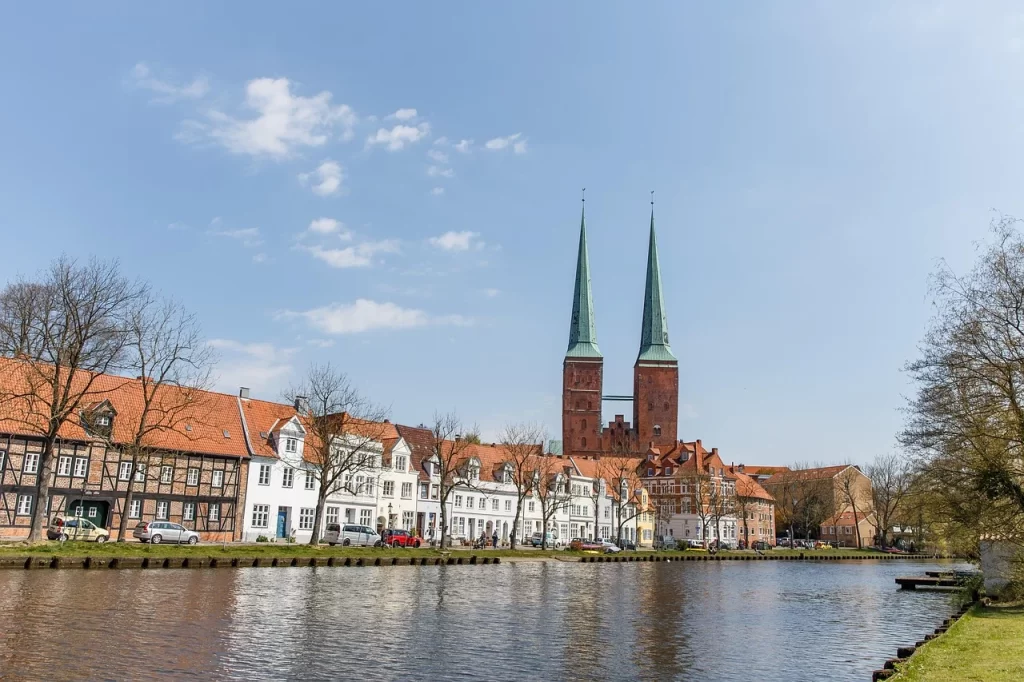
Deciding to relocate to coastal Germany involves balancing many positives — safety, high standards of living, strong healthcare, and excellent transport — against trade-offs like seasonal tourism, rising housing costs in sought-after areas, and exposure to coastal weather and long-term sea-level risk in low-lying zones. For expats and retirees, the choice often comes down to whether you prioritize easy access to specialist services and international connections (favoring larger port cities) or peaceful island and village life with greater self-sufficiency and seasonal quiet.
Pros & Cons
Pros
- Strong public services: healthcare, reliable public transport, and social supports make long-term life comfortable. Expatica
- High safety and rule-of-law: low violent crime and dependable civic infrastructure.
- Excellent connectivity: international airports, ferries, and direct links to Scandinavia and the Baltics (e.g., Kiel ferries). Direct Ferries
- Variety of coastal lifestyles: from cosmopolitan Hamburg to quiet Baltic archipelago islands.
Cons
- Rising housing costs in desirable coastal cities and islands; policy debates over rent control signal market tightness. Reuters+1
- Seasonality: some towns shrink in winter, reducing services and social activity.
- Climate and coastal risk: low-lying North Sea zones face flood and erosion threats requiring awareness and potential adaptation costs. World Ocean Review
Residency & Visas
Germany offers clear routes for EU citizens (freedom of movement) and structured visa streams for non-EU nationals, including employment-based permits, the EU Blue Card for highly qualified professionals, family reunification, study-to-work paths, and entrepreneur or freelance registrations. The Blue Card and other visas require specific salary thresholds, valid employment offers, or demonstrable business plans; residency rules tie to federal laws but are implemented through local immigration offices. For coastal relocators, the chosen visa influences where you may settle and which local benefits you can access.
Residency & Visas
- EU/EEA citizens: May live and work in Germany freely with minimal registration, and can apply for permanent residence after qualifying periods.
- Employment & Blue Card: The EU Blue Card offers a fast-track for university-qualified professionals with a qualifying job and a minimum gross annual salary (e.g., roughly €48,300 in 2025 for standard professions). Employers typically initiate paperwork; short-term contracts of at least six months are usually required. Make It in Germany
- Standard work visas & freelance permits: Skilled workers with German job offers can apply for residence permits; freelancers and self-employed applicants must show a viable plan and means of support.
- Study & post-study work: International students can transition to work permits and then to longer-term residence options.
- Residence permits & permanent residence: Initial permits are generally tied to employment or purpose; after several years of lawful residence and meeting integration requirements, applicants may seek permanent residency. Official consular and immigration portals provide application processes and documentation lists. Germany.info
Healthcare
Germany’s healthcare system combines statutory (public) health insurance with private options, delivering high-quality medical services across urban and coastal regions. Most workers and many residents are covered through statutory health insurance (Gesetzliche Krankenversicherung — GKV), funded by contributions shared between employers and employees, while higher earners and certain self-employed persons may opt for private health insurance (PKV). For expats settling long-term, understanding eligibility, contribution mechanisms, and the differences between public and private coverage is essential for budgeting and care access.
Healthcare
- Statutory vs private insurance: Employees earning below a national threshold typically join the public GKV; contributions are income-based and often split with employers. Higher earners can choose private insurance under defined conditions. Expats employed by German companies usually enroll in GKV; self-employed or high-earning newcomers should compare PKV options. Expatica+1
- Coverage: GKV covers doctor visits, hospital stays, many prescriptions and preventive care, though co-payments exist for some services. Dental and optical care often require supplemental private cover or out-of-pocket payment.
- Access in coastal areas: Major port cities have full hospital networks and specialists; regional clinics serve smaller towns, with emergency transfer systems (air or road) for critical cases. Consider private top-up insurance for faster specialist access if needed.
Safety & Security
Germany is broadly safe for residents and visitors, with coastal communities characterized by low violent crime rates and active community policing. However, expats should remain mindful of opportunistic theft in busy tourist seasons and prepare for natural hazards unique to coastal zones (high winds, storm surges and coastal flooding). Emergency services are well-organized and professional, but response times can be longer in remote islands or sparsely populated coastal stretches — an important consideration for retirees or those with medical needs.
Safety & Security
- Crime profile: Violent crime is uncommon in coastal towns; theft and petty crime are the more frequent concerns in crowded market areas and transit hubs. Standard vigilance (secure doors, sensible storage of valuables) suffices for most residents.
- Maritime safety: Germany maintains coastguard and search-and-rescue services; recreational boaters must comply with local licensing and safety rules.
- Natural hazards & planning: Sea-level rise, storm surges and coastal erosion are active policy concerns in low-lying North Sea regions; local adaptation measures (dykes, managed retreat, building codes) shape coastal property risk and insurance costs. World Ocean Review
Climate
Germany’s coastal climate is strongly maritime on the North Sea and more moderate on the Baltic; the sea tempers extremes so winters are milder than inland, but winds, rain and fog are common. The North Sea coast experiences stronger tidal influence, storm surge risk and wetter conditions, while the Baltic coast tends to be somewhat drier with clearer summer days. Seasonal rhythms — bright, long summer evenings and gray, windy winters — shape coastal lifestyles and influence choices around building quality, heating needs and outdoor activity timing.
Climate
- North Sea coast (Lower Saxony, Schleswig-Holstein): Maritime climate with relatively mild winters, cool summers, frequent wind and rain, and significant tidal action on exposed shores — land reclamation and dyke systems are common.
- Baltic Sea coast (Mecklenburg-Vorpommern, Schleswig-Holstein east): Generally milder and less tidal; summer temperatures can be pleasantly warm, and sheltered bays allow for calmer waters ideal for sailing and island life.
- Seasonal impacts: Expect long daylight in summer and shorter days in winter; storm-driven winter weather can disrupt ferry services and coastal travel at times.
- Adaptation measures: Many coastal municipalities invest in flood defenses and zoning rules — prospective buyers should check local hazard maps and municipal climate adaptation plans. henry.baw.de+1

Infrastructure & Amenities
Infrastructure quality is a major strength for coastal Germany: efficient public transport, extensive ferry routes, modern ports, and reliable utilities support year-round living. Larger port cities provide international flights, rail connections, hospitals and cultural amenities; smaller towns often retain essential services, local markets and regional healthcare access. For expats buying property, proximity to transport nodes, broadband connectivity, and healthcare facilities are key factors that determine livability and resale value.
Infrastructure & Amenities
- Transport links: Major coastal hubs (Hamburg, Kiel, Rostock) offer international airports, rail links and ferry services to Scandinavia and the Baltics; Kiel and Rostock are notable ferry gateways. Stenaline Travel+1
- Ferries & island access: Regular ferry services connect mainland ports to islands and neighboring countries; timetables may be seasonal and subject to weather.
- Digital connectivity: Germany’s broadband rollout is strong in urban coastal areas; remote islands and rural shores may still rely on fixed wireless or satellite — verify actual speeds before committing.
- Utilities & services: Water, electricity and waste services are reliable in towns; island residents should check fuel and fuel-storage logistics, as well as provisions for winter access.
- Planning & building rules: Local regulations often govern shoreline development, dune protection and building codes to manage erosion, salt damage and environmental protections. Consult local Bauamt and notary for specifics before purchasing.
General:
Location:
North Sea
Sovereignty:
Independent
Capital:
Berlin
Population:
83,920,340
Land Area (km2):
357,600
Population Density (km2):
241
Language:
German
Literacy %:
99
Poverty %:
15.5
Currency:
Euro
Indices:
GDP +/- Growth %:
-0.2
World IHDI Score:
0.890 (8/192)
World Gini Score:
0.295
Indices Detail
GDP +/- Growth % measures the annual growth rate of the country’s GDP.
World IHDI Score (Inequality-adjusted Human Development Index) reflects average achievements in health, education, and income, adjusted for inequality.
Country Rank (#/192) (1 = best for both scores)
World Gini Score is a measure of income inequality; 0 represents perfect equality and 100 maximal inequality.