
Portugal
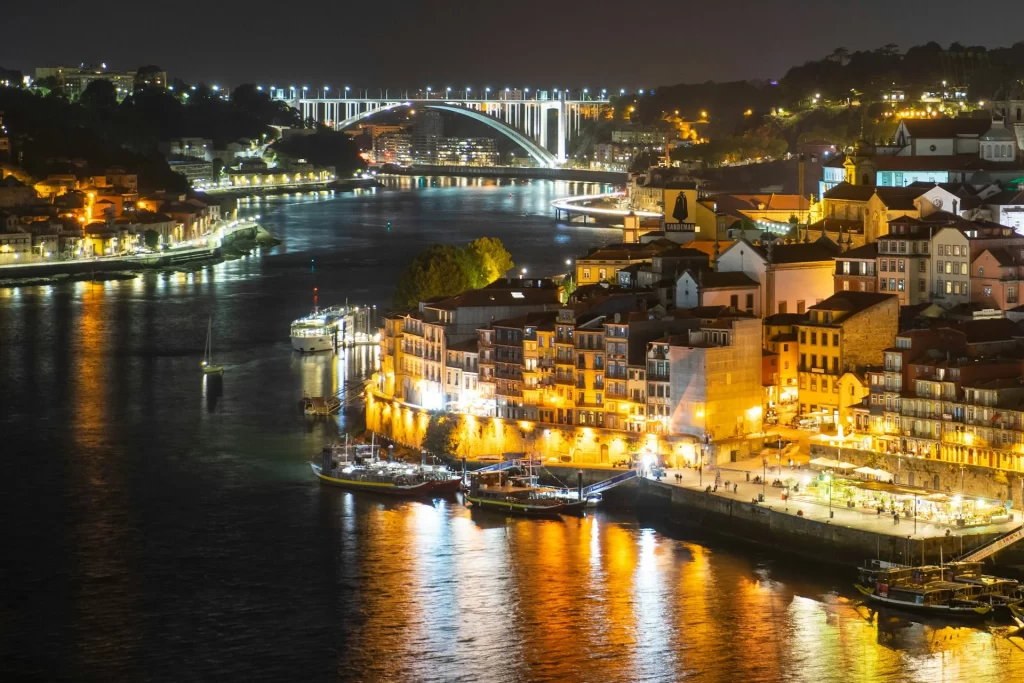
Portugal
Welcome to Portugal, a sun-kissed Mediterranean haven where golden beaches meet historic cities and rolling countryside. From the vibrant streets of Lisbon and Porto to the tranquil shores of the Algarve and Madeira, this captivating country offers the perfect blend of culture, adventure, and relaxation. With warm, welcoming communities, stunning landscapes, and a lifestyle that celebrates both tradition and modern comfort, Portugal invites you to explore, unwind, and make this beautiful destination your new home.
Expat Details
Top Places to Live in Portugal for Expats
1. Lisbon
Overview: Portugal’s capital city, known for its historic neighborhoods, vibrant culture, and ocean views.
Highlights: Excellent public transport, a dynamic startup scene, and international schools.
Ideal For: Professionals, digital nomads, and culture lovers.
Considerations: Lisbon’s growing popularity has driven up housing costs in recent years.
2. Porto
Overview: A northern gem famous for its riverfront charm, port wine, and artistic energy.
Highlights: Less crowded than Lisbon but with a similar cultural appeal and lower living costs.
Ideal For: Retirees and expats seeking a mix of history, gastronomy, and authenticity.
Considerations: The city’s hilly terrain and cooler climate may not suit everyone.
3. Algarve (Faro, Lagos, Tavira, Albufeira)
Overview: Portugal’s southern coast is world-famous for its beaches, golf resorts, and sunny weather.
Highlights: English is widely spoken, and the region offers a relaxed coastal lifestyle.
Ideal For: Retirees and those seeking a warm climate year-round.
Considerations: Tourism peaks during summer, so quieter inland areas may appeal more for full-time living.
4. Cascais
Overview: A seaside town west of Lisbon, offering luxury living with easy access to the capital.
Highlights: Upscale neighborhoods, international schools, and a strong expat presence.
Ideal For: Families, professionals, and those seeking an elegant coastal environment.
Considerations: Property prices and rents are among the highest in the country.
5. Coimbra
Overview: A historic university city located between Lisbon and Porto.
Highlights: Rich culture, affordable living, and a youthful, academic atmosphere.
Ideal For: Students, educators, and expats looking for a quieter inland experience.
Considerations: Less international than coastal cities, but very welcoming to newcomers.
Tips for Expats Considering Portugal
- Residency Options: Popular visa routes include the D7 Passive Income Visa, the Digital Nomad Visa, and the Golden Visa for investors.
- Healthcare: Portugal has an excellent public healthcare system (SNS), with many expats also choosing private insurance for additional coverage.
- Cost of Living: Generally lower than Western Europe, though rising in major cities and tourist hubs.
Language: Portuguese is the official language, but English is widely spoken in urban and tourist areas.
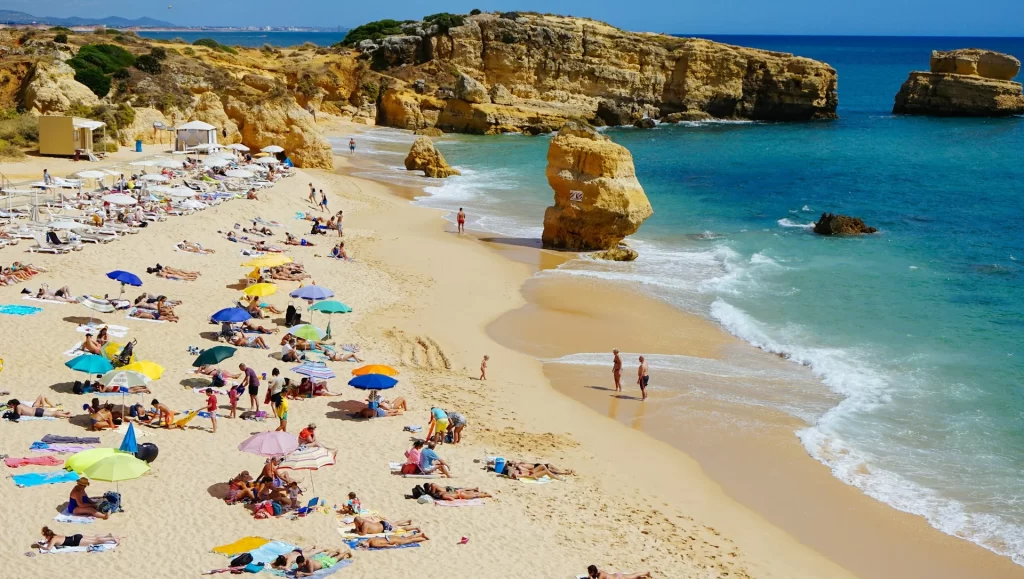
Cost of Living
Portugal has become a top choice for expatriates seeking a combination of Mediterranean climate, affordable living, rich culture, and high quality of life. From bustling cities like Lisbon and Porto to the sun-soaked Algarve coast, Portugal offers a wide variety of living experiences. Understanding the cost of living in different regions is essential for planning a comfortable long-term stay.
Cost of Living
Cost of Living in Popular Expat Locations in Portugal
Lisbon
Lisbon, the nation’s capital, is a vibrant urban hub known for its historic neighborhoods, international community, and economic opportunities.
- Housing: One-bedroom apartments in central Lisbon typically cost €900–€1,500 per month, while suburban areas range €600–€1,000 per month. Furnished or luxury apartments can cost €1,200–€2,000 per month.
- Food: Casual meals cost €8–€12, mid-range restaurants €20–€35 per person, and groceries average €200–€350 per month for one person.
- Transportation: Public transport (metro, buses, trams) costs around €1.50–€2.50 per trip, with monthly passes €40–€55. Car ownership is optional but parking and fuel can be expensive.
- Utilities and Internet: Utilities including electricity, water, and heating typically cost €100–€200 per month, and high-speed internet averages €25–€40 per month.
Porto
Porto, Portugal’s northern gem, attracts expats with its historic charm, lower living costs than Lisbon, and growing international community.
- Housing: One-bedroom apartments in central Porto cost €600–€1,000 per month, while suburban areas range €400–€700 per month. Furnished or modern apartments can cost €800–€1,500 per month.
- Food: Casual meals €7–€12, mid-range restaurants €15–€30 per person, and groceries average €150–€300 per month.
- Transportation: Metro, buses, and trams are efficient, with fares €1.50–€2 per ride and monthly passes €35–€50.
- Utilities and Internet: Utilities cost €80–€150 per month, and high-speed internet averages €25–€40 per month.
Algarve (Faro, Lagos, Albufeira)
The Algarve region is popular with retirees and expats seeking a relaxed coastal lifestyle, beaches, and golf communities.
- Housing: One-bedroom apartments near the coast cost €500–€900 per month, while larger or furnished units range €800–€1,500. Luxury beachfront homes can exceed €2,000 per month.
- Food: Street food and casual meals cost €6–€12, mid-range restaurants €15–€30 per person, and groceries average €150–€300 per month.
- Transportation: Public transport is limited; most expats rely on cars. Bus fares are €1.50–€3, depending on route.
- Utilities and Internet: Utilities typically cost €80–€150 per month, and high-speed internet averages €25–€40 per month.
Coimbra and Smaller Cities
Coimbra and smaller cities attract expats seeking lower costs, historic surroundings, and quieter lifestyles.
- Housing: One-bedroom apartments cost €350–€700 per month, while larger or furnished apartments range €500–€1,000.
- Food: Casual meals €5–€10, mid-range restaurants €12–€25 per person, and groceries average €120–€250 per month.
- Transportation: Public transport is generally affordable, with fares around €1–€2 per trip, and monthly passes €30–€45.
- Utilities and Internet: Utilities cost €70–€130 per month, and high-speed internet averages €20–€35 per month.
Additional Considerations for Expats
- Healthcare: Portugal has a high-quality public healthcare system, supplemented by private options. Private consultations typically cost €40–€80, and private insurance averages €50–€150 per month.
- Entertainment and Lifestyle: Gyms, cinemas, cultural events, and leisure activities are reasonably priced, with monthly expenses ranging €50–€150, depending on lifestyle.
- Overall Budget: A comfortable lifestyle for a single expat generally ranges €1,000–€2,000 per month, depending on city, housing, and lifestyle choices.
Review
Portugal offers a welcoming Mediterranean lifestyle, moderate living costs, and high-quality amenities. Whether in the urban vibrancy of Lisbon and Porto, the coastal beauty of the Algarve, or the quieter towns of central Portugal, expatriates can enjoy modern conveniences, scenic surroundings, and a relaxed pace of life. With affordable housing, accessible healthcare, and diverse lifestyle options, Portugal continues to attract retirees, remote workers, and long-term residents seeking a high quality of life in Europe.
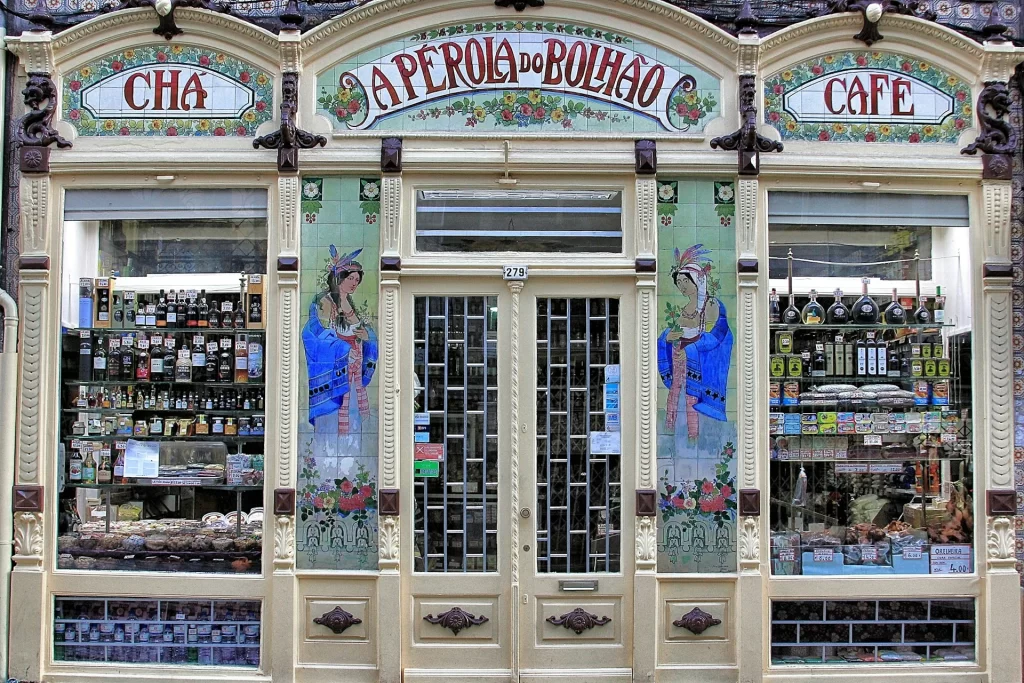
Quality of life
Portugal, with its temperate climate, friendly communities, and rich cultural heritage, has become a top destination for expatriates. From bustling urban centers like Lisbon and Porto to coastal towns such as Lagos and Cascais, Portugal offers a mix of modern amenities, relaxed lifestyle, and scenic beauty. Understanding the quality of life in different regions is key for planning a long-term stay.
Quality of Life
Quality of Life in Favored Expat Areas in Portugal
Lisbon
Lisbon, the capital, is popular with expats seeking culture, career opportunities, and cosmopolitan living.
- Community and Culture: Lisbon has a large and diverse expat population. The city offers numerous cultural events, museums, music festivals, and active social clubs. English is widely spoken, making integration easier.
- Lifestyle and Recreation: Residents enjoy historic neighborhoods, riverfront promenades, cafés, nightlife, and outdoor activities like hiking and surfing nearby. The city balances vibrant urban life with access to nature.
- Healthcare and Services: Lisbon has high-quality public and private healthcare facilities. International-standard hospitals and clinics ensure expats have access to comprehensive medical care.
- Safety and Infrastructure: Lisbon is considered safe, with reliable utilities, public transport, and modern infrastructure supporting a comfortable lifestyle.
Porto
Porto, in northern Portugal, attracts expats seeking a blend of historic charm and modern living at a slightly lower cost than Lisbon.
- Community and Culture: Porto features a growing expat community and a rich local culture, with festivals, wine tours, and arts events. The social environment is welcoming, with English widely spoken in expat circles.
- Lifestyle and Recreation: The city offers scenic riverfronts, historic architecture, cultural venues, and outdoor activities including surfing and hiking. Daily life blends tradition and modern conveniences.
- Healthcare and Services: Porto has quality public and private hospitals, clinics, and pharmacies accessible to expatriates.
- Safety and Infrastructure: Porto is generally safe, with efficient public transport, reliable utilities, and growing infrastructure for comfortable urban living.
Algarve (Lagos, Faro, Albufeira)
The Algarve region, with its sunny climate, beaches, and golf courses, is popular with retirees and those seeking a relaxed coastal lifestyle.
- Community and Culture: Algarve towns host vibrant expat communities from Europe and beyond. Social clubs, outdoor events, and cultural festivals create opportunities for engagement.
- Lifestyle and Recreation: Life revolves around beaches, golf, water sports, hiking, and wellness-focused activities. Coastal scenery supports an active, healthy lifestyle.
- Healthcare and Services: Medical facilities are accessible, with public and private hospitals providing quality care. Larger centers like Faro host more specialized services.
- Safety and Infrastructure: The Algarve is considered very safe, with reliable utilities, internet, and transport infrastructure. The slower pace of life supports a relaxed, high-quality lifestyle.
Cascais and Sintra
Cascais and Sintra, near Lisbon, are favored by expats for scenic beauty, historic charm, and proximity to the capital.
- Community and Culture: These towns offer a mix of locals and expats, with art galleries, cultural events, and social clubs fostering a close-knit yet diverse community.
- Lifestyle and Recreation: Outdoor activities, historic exploration, coastal walks, and golfing are popular. Proximity to Lisbon allows easy access to urban amenities.
- Healthcare and Services: Quality healthcare is readily available, including private clinics and hospitals in Lisbon and local facilities.
- Safety and Infrastructure: Both towns are safe, with excellent utilities, internet, and transport links to Lisbon and surrounding areas.
Key Factors Influencing Quality of Life
- Climate and Environment: Portugal’s Mediterranean climate, sunny weather, and scenic coastline support outdoor activities and a relaxed lifestyle.
- Community and Lifestyle: Expats enjoy English-speaking networks, welcoming locals, and abundant social, cultural, and recreational opportunities.
- Accessibility: Portugal’s international airports, well-connected trains, and ferries make travel convenient for both European and global destinations.
- Pace of Life: Portugal offers a mix of urban vibrancy and relaxed coastal living, allowing expats to select a pace that suits their lifestyle.
Review
Portugal provides an exceptional quality of life for expatriates who value culture, scenery, and a balanced lifestyle. Whether in Lisbon, Porto, the Algarve, or charming towns like Cascais and Sintra, expats can enjoy modern amenities, quality healthcare, and a welcoming community. The combination of safety, accessible services, and a pleasant climate makes Portugal a premier destination for retirees, remote workers, and long-term residents seeking comfort, culture, and natural beauty.

Pros & Cons
Portugal, with its Mediterranean climate, scenic coastline, and rich culture, attracts expatriates seeking a relaxed lifestyle, modern amenities, and affordable European living. While many aspects of living in Portugal are appealing, it is important to consider both advantages and potential challenges before relocating.
Pros & Cons
Pros and Cons of Relocating to Expat-Favored Areas in Portugal
Pros of Relocating to Portugal
- Mediterranean Climate and Natural Beauty
- Portugal offers mild winters, warm summers, and abundant sunshine.
- Popular expat areas such as Lisbon, Porto, Algarve, and Madeira provide coastal beaches, scenic landscapes, and historic charm.
- Portugal offers mild winters, warm summers, and abundant sunshine.
- Rich Culture and Lifestyle
- Portugal boasts a vibrant cultural scene with music, festivals, historic sites, and culinary delights.
- Outdoor cafés, markets, and a strong emphasis on social life contribute to a high quality of living.
- Portugal boasts a vibrant cultural scene with music, festivals, historic sites, and culinary delights.
- Affordable Cost of Living (Outside Major Cities)
- Housing, groceries, and services are generally more affordable than in much of Western Europe, especially outside Lisbon and Porto.
- Expats can enjoy a comfortable lifestyle at reasonable costs.
- Housing, groceries, and services are generally more affordable than in much of Western Europe, especially outside Lisbon and Porto.
- High-Quality Healthcare
- Portugal has an efficient public healthcare system complemented by private hospitals and clinics.
- Many medical professionals in expat areas speak English.
- Portugal has an efficient public healthcare system complemented by private hospitals and clinics.
- Welcoming Expat Communities
- Established expatriate networks in Algarve, Lisbon, Porto, and other areas provide social support, networking, and cultural integration.
- Established expatriate networks in Algarve, Lisbon, Porto, and other areas provide social support, networking, and cultural integration.
- Modern Infrastructure and Amenities
- Cities and towns offer reliable utilities, high-speed internet, transportation, shopping centers, and recreational facilities.
- International schools and expat services are available in key areas.
- Cities and towns offer reliable utilities, high-speed internet, transportation, shopping centers, and recreational facilities.
Cons of Relocating to Portugal
- High Cost of Living in Popular Cities and Tourist Areas
- Lisbon, Porto, and coastal tourist hotspots can be expensive, particularly for housing and dining.
- Lisbon, Porto, and coastal tourist hotspots can be expensive, particularly for housing and dining.
- Bureaucracy and Residency Requirements
- Navigating visas, residency permits, and local bureaucracy can be time-consuming.
- Expatriates must comply with legal, tax, and administrative requirements.
- Navigating visas, residency permits, and local bureaucracy can be time-consuming.
- Language Barrier
- While English is commonly spoken in urban and tourist areas, learning Portuguese is important for daily life and integration in smaller towns.
- While English is commonly spoken in urban and tourist areas, learning Portuguese is important for daily life and integration in smaller towns.
- Job Market Limitations for Expats
- Employment opportunities for foreigners may be limited, particularly outside tourism, IT, and specialized sectors.
- Many expats rely on pensions, investments, or remote work rather than local employment.
- Employment opportunities for foreigners may be limited, particularly outside tourism, IT, and specialized sectors.
- Seasonal Tourism Crowds
- Popular coastal and urban areas can experience heavy tourist traffic during summer, affecting services and housing availability.
- Popular coastal and urban areas can experience heavy tourist traffic during summer, affecting services and housing availability.
- Regional Differences in Services
- While major cities have modern infrastructure, rural areas may have fewer amenities and less reliable public services.
- While major cities have modern infrastructure, rural areas may have fewer amenities and less reliable public services.
Review
Relocating to Portugal offers a combination of Mediterranean climate, scenic beauty, rich culture, modern amenities, and a high quality of life. Expat-favored areas such as Lisbon, Porto, Algarve, and Madeira provide access to healthcare, beaches, cultural landmarks, and established expat communities. However, higher costs in popular areas, bureaucracy, language barriers, and seasonal tourism are important considerations. Careful planning, selecting the right location, and cultural adaptation can help expatriates enjoy Portugal’s stunning landscapes, pleasant climate, and welcoming communities while mitigating potential challenges.

Residency & Visas
Portugal has emerged as one of Europe’s most desirable destinations for expatriates seeking sunshine, safety, and a high quality of life. From the cobbled streets of Lisbon and Porto to the tranquil beaches of the Algarve and the islands of Madeira, the country offers something for every lifestyle. With a welcoming attitude toward foreign residents and a variety of visa pathways, Portugal has made it easier than ever to call this coastal nation home.
Residency & Visas
Residency and Visa Options in Portugal: A Guide for Expats
Short-Stay and Tourist Visas
As a member of the Schengen Area, Portugal allows visa-free entry for up to 90 days within a 180-day period to nationals of most Western countries, including the U.S., U.K., Canada, and Australia. This short-term stay provides an opportunity to experience the culture, climate, and pace of life before deciding on a more permanent move. Travelers requiring a visa can apply for a Schengen short-stay visa through Portuguese consulates abroad.
Residency Options for EU and Non-EU Nationals
Portugal’s residency process differs depending on whether you are an EU or non-EU citizen:
- EU/EEA Citizens: Enjoy the right to live and work in Portugal without a visa. However, those staying longer than three months must register with local authorities to obtain a residence certificate.
- Non-EU Nationals: Must apply for the appropriate visa before arrival, followed by a residence permit once in Portugal. Several options are available, tailored to different needs and income sources.
Long-Term Visa and Residency Pathways
Portugal has developed a range of residence programs designed to attract professionals, retirees, and investors:
- D7 Visa (Passive Income/Retirement Visa): One of Portugal’s most popular options, the D7 visa is ideal for retirees or individuals with stable passive income, such as pensions, savings, or rental earnings. It grants residency for one year, renewable for two-year periods, and can lead to permanent residence after five years.
- Digital Nomad Visa: Introduced in 2022, this visa allows remote workers earning at least four times Portugal’s minimum wage to live and work in the country for up to a year, with potential extensions.
- Golden Visa Program: Designed for investors making significant contributions to the Portuguese economy through real estate, business investment, or cultural support. Although real estate investment options have narrowed recently, the program still provides a pathway to residency and eventual citizenship.
- Work and Study Visas: Those employed by Portuguese companies or enrolled in local universities can apply for residence permits linked to employment or education.
Permanent Residency and Citizenship
After five years of legal residence, expats may apply for permanent residency or citizenship. Portugal’s citizenship program is among Europe’s most accessible, requiring basic Portuguese language skills and evidence of integration. Dual citizenship is permitted, and holding a Portuguese passport grants full rights of movement and residence across the EU.
Life as a Resident Expat
Portugal consistently ranks among the best countries in the world for expatriate living. The country combines Western European standards with a relaxed Mediterranean lifestyle, excellent healthcare, and a relatively low cost of living. English is widely spoken, especially in major cities and tourist regions, making daily life smooth for newcomers. Expats often praise the friendliness of locals, mild climate, and abundance of fresh food and coastal leisure.
Review
Portugal’s residency options offer flexibility for nearly every type of expat—retirees, digital professionals, investors, and families alike. With a straightforward path to permanent settlement and citizenship, Portugal remains a gateway to both European life and Mediterranean charm. Whether you envision a quiet home by the sea or an active career in one of Europe’s most forward-thinking countries, Portugal’s open approach to residency makes it a truly rewarding destination to call home.

Healthcare
Portugal, with its Mediterranean climate, historic cities, and scenic coastline, is a leading destination for expatriates seeking a high quality of life, safety, and relaxed living. Healthcare is a critical consideration for retirees, long-term residents, and remote workers. Portugal offers a combination of public and private healthcare services, with high-quality care widely accessible, particularly in urban centers and popular expat regions. Understanding healthcare in favored expat areas is key to maintaining safety and comfort.
Healthcare
Healthcare in Favored Expat Areas in Portugal
Lisbon
Lisbon, the capital, provides the most comprehensive healthcare infrastructure in Portugal.
- Facilities and Services: The city has numerous public hospitals, including Hospital de Santa Maria and Hospital de São José, offering general care, emergency services, and specialist treatments.
- Private Healthcare: Private hospitals and clinics provide faster service, English-speaking staff, and international standards of care. Many expatriates rely on private care for consultations, elective procedures, and specialist treatments.
- Access and Convenience: Pharmacies are abundant and stocked with both local and imported medications. Diagnostic and treatment facilities are modern and reliable.
Porto
Porto attracts expats seeking urban amenities, cultural richness, and scenic coastal living.
- Facilities and Services: Public hospitals, such as Centro Hospitalar Universitário de São João and Hospital de Santo António, provide comprehensive care. Private clinics cater to expatriates with English-speaking staff and specialist consultations.
- Private Healthcare: Private hospitals and clinics provide routine checkups, elective procedures, and high-quality specialist care.
- Access and Convenience: Pharmacies and diagnostic facilities are widely accessible, and complex procedures are available locally.
Algarve (Faro, Lagos, Albufeira)
The Algarve region is popular with retirees and expats seeking sun, beaches, and a slower pace of life.
- Facilities and Services: Public hospitals and clinics provide general care, emergency services, and routine treatments. Private facilities cater to expatriates in larger towns.
- Private Healthcare: English-speaking private practitioners handle routine care, dental services, and minor procedures. Specialized treatments may require travel to Lisbon or Porto.
- Access and Convenience: Pharmacies are widely available in major towns, and medical services are generally accessible.
Cascais, Sintra, and Coastal Central Portugal
Expat communities in these areas enjoy proximity to Lisbon, scenic surroundings, and a relaxed lifestyle.
- Facilities and Services: Local hospitals and clinics provide routine care, minor emergencies, and general treatments. Larger hospitals in Lisbon are accessible for more complex procedures.
- Private Healthcare: Private practitioners provide English-speaking services for routine visits, minor procedures, and specialist consultations.
- Access and Convenience: Pharmacies are abundant, and emergency services are reliable. Travel to Lisbon may be needed for advanced or specialized care.
Key Factors Influencing Healthcare Quality
- Public vs. Private Care: Portugal’s public healthcare system (Serviço Nacional de Saúde) offers broad coverage, while private hospitals provide faster service, higher comfort, and English-speaking staff.
- Access to Specialists: Specialized care is concentrated in Lisbon, Porto, and larger towns in the Algarve. Smaller towns provide routine and emergency care, with specialist treatment often requiring travel.
- Medical Insurance: Comprehensive private health insurance is highly recommended for expatriates, covering private care and potential travel for specialized procedures.
- Emergency Services: Emergency response is reliable nationwide, particularly in urban centers and popular expat regions. Remote towns may require travel for complex treatments.
Review
Portugal offers high-quality healthcare for expatriates, particularly in Lisbon, Porto, the Algarve, and central coastal towns like Cascais and Sintra. Private hospitals and clinics provide international-standard care, while public facilities ensure accessibility for routine and emergency services. Expats in smaller towns or rural areas should plan for specialized care and potential travel to larger cities. With proper health insurance and awareness of local healthcare resources, expatriates can enjoy a safe, healthy, and comfortable lifestyle in Portugal while benefiting from its climate, culture, and scenic landscapes.
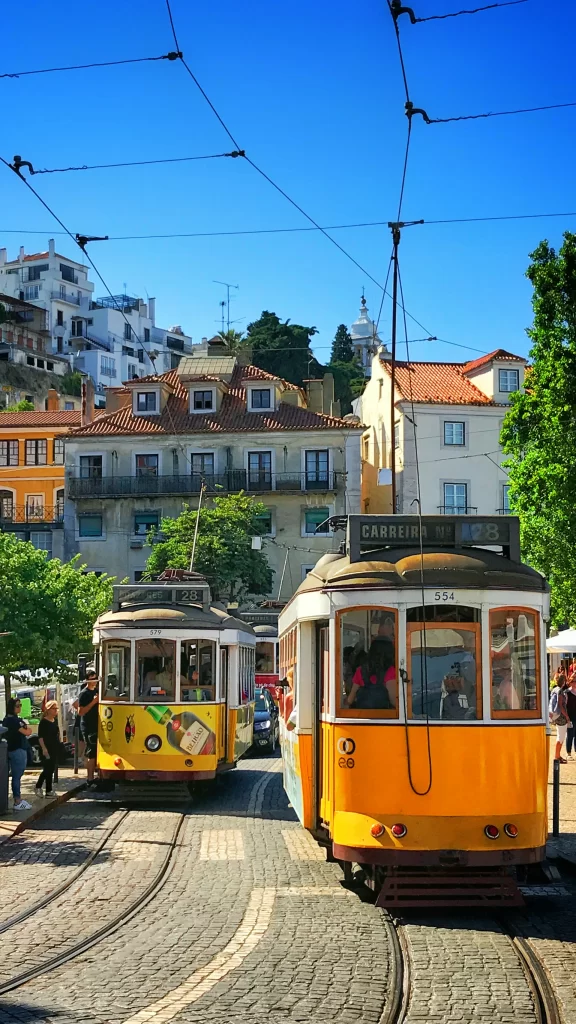
Safety & Security
Portugal, with its Mediterranean climate, historic cities, and welcoming communities, is a popular destination for expatriates seeking urban convenience, coastal living, or a relaxed retirement lifestyle. Safety and security are important considerations for long-term residents and seasonal expatriates. Understanding local crime trends, risk factors, and precautions ensures a secure and enjoyable stay.
Safety & Security
Safety and Security in Favored Expat Areas in Portugal
Lisbon
Lisbon, the capital, is a major hub for culture, business, and expatriates.
- Crime Overview: Lisbon experiences petty theft, pickpocketing, and occasional burglary, particularly in crowded tourist areas and on public transport. Violent crime is rare in residential and expat-focused neighborhoods such as Chiado, Principe Real, and Estrela.
- Safety Measures: Many expatriates live in secure apartments or gated developments. Staying aware of surroundings, avoiding poorly lit areas at night, and using licensed taxis or ride-hailing services improves safety.
- Emergency Services: Hospitals, clinics, and emergency services are widely accessible and reliable.
Porto
Porto attracts expatriates seeking a smaller city experience, cultural immersion, and scenic coastal living.
- Crime Overview: Petty theft is the main concern, particularly in tourist-heavy areas. Violent crime is uncommon in expat-populated neighborhoods such as Foz do Douro or Boavista.
- Safety Measures: Secure apartments, gated communities, and personal vigilance help maintain safety. Monitoring valuables and avoiding isolated areas at night is recommended.
- Emergency Services: Hospitals and clinics provide routine and emergency care, with specialized treatments available in central Porto.
Algarve (Faro, Lagos, Albufeira)
The Algarve region attracts retirees and expatriates seeking beach living, resort-style communities, and a relaxed lifestyle.
- Crime Overview: Crime rates are low in expat-focused areas. Petty theft may occur in tourist zones, while violent crime is rare.
- Safety Measures: Gated communities, resort-style developments, and private security enhance safety. Locking homes and vehicles and monitoring visitors is recommended.
- Emergency Services: Local clinics provide routine care, with larger hospitals in Faro for specialized treatments.
Cascais, Sintra, and Coastal Towns near Lisbon
These towns appeal to expatriates seeking scenic coastal living, cultural experiences, and proximity to the capital.
- Crime Overview: Crime is generally low. Petty theft may occur, particularly in crowded tourist areas, while violent crime is uncommon.
- Safety Measures: Standard precautions, such as securing homes, locking vehicles, and monitoring visitors, are generally sufficient.
- Emergency Services: Hospitals and clinics are accessible, with emergency services responsive and reliable.
Key Factors Influencing Safety and Security
- Community Type: Gated communities, secure apartments, and expat-oriented neighborhoods provide the highest level of safety.
- Local Awareness: Staying informed about local news, avoiding risky areas, and understanding road and coastal safety regulations improves overall security.
- Natural Hazards: Portugal is generally low-risk, though certain areas may experience occasional flooding, wildfires, or minor seismic activity. Preparedness and adherence to local advisories are important.
- Emergency Preparedness: Knowledge of nearby hospitals, clinics, and emergency contacts is essential, particularly in coastal or rural towns.
Review
Expatriates in Portugal can enjoy a safe and secure lifestyle by choosing well-serviced towns, gated communities, and popular coastal or urban areas. Urban centers like Lisbon require situational awareness, while the Algarve, Porto, and smaller coastal towns generally offer lower crime rates. Understanding local risks, maintaining vigilance, and preparing for natural hazards ensures a comfortable, safe, and enjoyable experience in Portugal’s scenic and culturally rich environment.
Climate
Portugal, with its Atlantic coastline, sunny islands, and temperate mainland, attracts expatriates seeking a relaxed lifestyle, beach access, and cultural immersion. Understanding the climate, seasonal patterns, and humidity levels is essential for comfort, outdoor activities, and daily planning.
Climate
Climate in Favored Expat Areas in Portugal
Lisbon and Central Coast
Lisbon, the capital, and surrounding coastal towns attract expatriates seeking city living, beaches, and cultural amenities.
- Temperature: Average daily highs range from 15°C (59°F) in winter to 29°C (84°F) in summer; average daily lows from 8°C (46°F) to 19°C (66°F).
- Humidity: Humidity averages 65–75% year-round, higher in winter and during rainy periods.
- Rainfall: Wet season occurs November–February; summers are hot and dry.
- Notes for Expats: Summer is ideal for beaches and outdoor activities; winters are mild but can be rainy.
Porto and Northern Portugal
Porto and nearby towns attract expatriates seeking cultural experiences and cooler coastal climates.
- Temperature: Average highs 11°C (52°F) in winter to 27°C (81°F) in summer; average lows 4–17°C (39–63°F).
- Humidity: Average humidity 70–80%, higher in winter months.
- Rainfall: Wet season November–February; summers are mostly dry and sunny.
- Notes for Expats: Winters are cooler and wetter than the south; summer is ideal for sightseeing and coastal activities.
Algarve (Faro, Lagos, Albufeira)
The Algarve region is popular with expatriates seeking beaches, golf, and sunny weather.
- Temperature: Average highs 15°C (59°F) in winter to 31°C (88°F) in summer; average lows 8–21°C (46–70°F).
- Humidity: Humidity averages 60–70%, moderated by sea breezes.
- Rainfall: Wet season November–February; summer months are dry and sunny.
- Notes for Expats: Mild winters and hot summers make the Algarve ideal for year-round outdoor living.
Madeira and Azores
Madeira and the Azores attract expatriates seeking island life, mild temperatures, and lush landscapes.
- Temperature: Madeira averages highs 19°C (66°F) in winter to 26°C (79°F) in summer; lows 13–21°C (55–70°F). Azores are slightly cooler, with highs 17–25°C (63–77°F) and lows 11–19°C (52–66°F).
- Humidity: Humidity averages 70–80%, higher in winter.
- Rainfall: Wet season November–March; summer months are sunnier and drier.
- Notes for Expats: Mild, temperate climates year-round make these islands ideal for outdoor activities and coastal living.
Key Climate Considerations for Expats
- Mediterranean and Atlantic Influence: Coastal areas enjoy hot, dry summers and mild, wet winters; northern regions are cooler and wetter.
- Humidity: Moderate along the coast; slightly higher during winter and rainy months.
- Rainfall: Wet season occurs November–February; summer is ideal for outdoor activities.
- Outdoor Lifestyle: Beaches, outdoor dining, golf, and sightseeing are best during late spring through early autumn.
Review
Expatriates in Portugal can enjoy a mild and sunny climate with regional variation. Urban centers like Lisbon and Porto provide cultural amenities with moderate weather, while the Algarve and islands such as Madeira offer ideal conditions for year-round outdoor and coastal living. Understanding temperature, humidity, and rainfall patterns ensures comfort and maximizes enjoyment of Portugal’s scenic landscapes, historic towns, and vibrant expat communities.

Infrastructure & Amenities
Portugal, with its Mediterranean climate, stunning coastline, and vibrant cities, attracts expatriates seeking comfort, culture, and modern conveniences. Understanding local infrastructure and available amenities is essential for daily living, long-term relocation, and enjoying Portugal’s high quality of life.
Infrastructure & Amenities
Infrastructure and Amenities in Favored Expat Areas in Portugal
Lisbon and Greater Lisbon
Lisbon, the capital, and surrounding suburbs are popular with expatriates seeking urban living, employment opportunities, and cultural experiences.
- Transportation: Lisbon has an extensive public transport network including buses, trams, metro, and commuter trains. Lisbon Airport provides domestic and international flights. Car ownership is useful but not essential in the city center.
- Healthcare: Portugal offers high-quality public (SNS) and private healthcare. Hospitals and clinics in Lisbon provide specialized care, and many doctors speak English.
- Utilities and Services: Reliable electricity, water, and high-speed internet are widely available. Mobile coverage is strong, and services for remote work are easily accessible.
- Shopping and Dining: Supermarkets, shopping malls, restaurants, cafes, and local markets are abundant. Fresh seafood and local produce are widely available.
- Education: Several international schools and private institutions offer British, American, and bilingual curricula for expatriate families.
Porto and Northern Portugal
Porto and surrounding towns attract expatriates seeking a smaller-city lifestyle with cultural richness and access to modern amenities.
- Transportation: Well-maintained roads, buses, and trains connect Porto with other cities. Francisco Sá Carneiro Airport offers domestic and international flights.
- Healthcare: Private hospitals and clinics provide high-quality care; public hospitals are available but may have longer wait times.
- Utilities and Services: Electricity, water, and internet are reliable; mobile coverage is widespread.
- Shopping and Dining: Supermarkets, restaurants, and local markets cater to expatriates; fresh produce and regional specialties are abundant.
- Education: International and private schools serve expatriate children; homeschooling is an option in smaller towns.
Algarve and Southern Coast
The Algarve, including towns like Faro, Lagos, and Albufeira, attracts expatriates seeking beach living, golf communities, and relaxed lifestyles.
- Transportation: Faro Airport provides international connections; well-maintained roads and local bus services connect towns. Car ownership is common.
- Healthcare: Private clinics and regional hospitals provide routine care; specialized treatment may require travel to Lisbon or Porto.
- Utilities and Services: Electricity, water, and internet are reliable in urbanized areas; remote villages may experience occasional service interruptions.
- Shopping and Dining: Supermarkets, restaurants, cafes, and markets provide essentials and fresh local produce.
- Education: International and private schools are available in major towns; homeschooling is common in more remote areas.
Central Portugal and Inland Towns
Towns like Coimbra and Tomar attract expatriates seeking historic settings, lower cost of living, and a quieter lifestyle.
- Transportation: Well-maintained roads and rail connections link towns to larger cities. Car ownership is common for flexibility.
- Healthcare: Local hospitals and private clinics provide routine care; specialized treatments may require travel to Lisbon or Porto.
- Utilities and Services: Electricity, water, and internet are reliable; mobile coverage is generally strong.
- Shopping and Dining: Local markets, grocery stores, and cafes provide essentials; larger supermarkets are found in regional centers.
- Education: Limited international schools; homeschooling is used in smaller communities.
Key Infrastructure Considerations for Expats
- Transportation: Urban areas have excellent public transport; rural or coastal areas may require private vehicles.
- Healthcare: High-quality public and private healthcare is available; specialized care may require travel to larger cities.
- Utilities: Electricity, water, and internet are reliable in urban and coastal areas; occasional outages may occur in remote regions.
- Shopping and Dining: Cities and tourist areas provide supermarkets, restaurants, and markets; rural villages have more limited options.
- Education: International and bilingual schools are available in major cities; homeschooling is common in smaller towns and rural areas.
Review
Expatriates in Portugal can enjoy a combination of modern infrastructure, healthcare, education, and amenities while living in vibrant cities, coastal towns, or historic inland communities. Lisbon and Porto provide comprehensive services and urban conveniences, while the Algarve and central towns offer relaxed lifestyles with access to beaches, culture, and outdoor activities. Understanding transportation, healthcare, utilities, and educational options ensures comfort and convenience while enjoying Portugal’s Mediterranean climate, scenic landscapes, and welcoming expat communities.

General:
Location:
North Atlantic Ocean
Sovereignty:
Independent
Capital:
Lisbon
Population:
10,411,834
Land Area (km2):
91,470
Population Density (km2):
114
Language:
Portuguese
Literacy %:
98
Poverty %:
16.6
Currency:
Euro
Indices:
GDP +/- Growth %:
+1.9
World IHDI Score:
0.795 (40/192)
World Gini Score:
31.9
Indices Detail
GDP +/- Growth % measures the annual growth rate of the country’s GDP.
World IHDI Score (Inequality-adjusted Human Development Index) reflects average achievements in health, education, and income, adjusted for inequality.
Country Rank (#/192) (1 = best for both scores)
World Gini Score is a measure of income inequality; 0 represents perfect equality and 100 maximal inequality.