
Saint Lucia
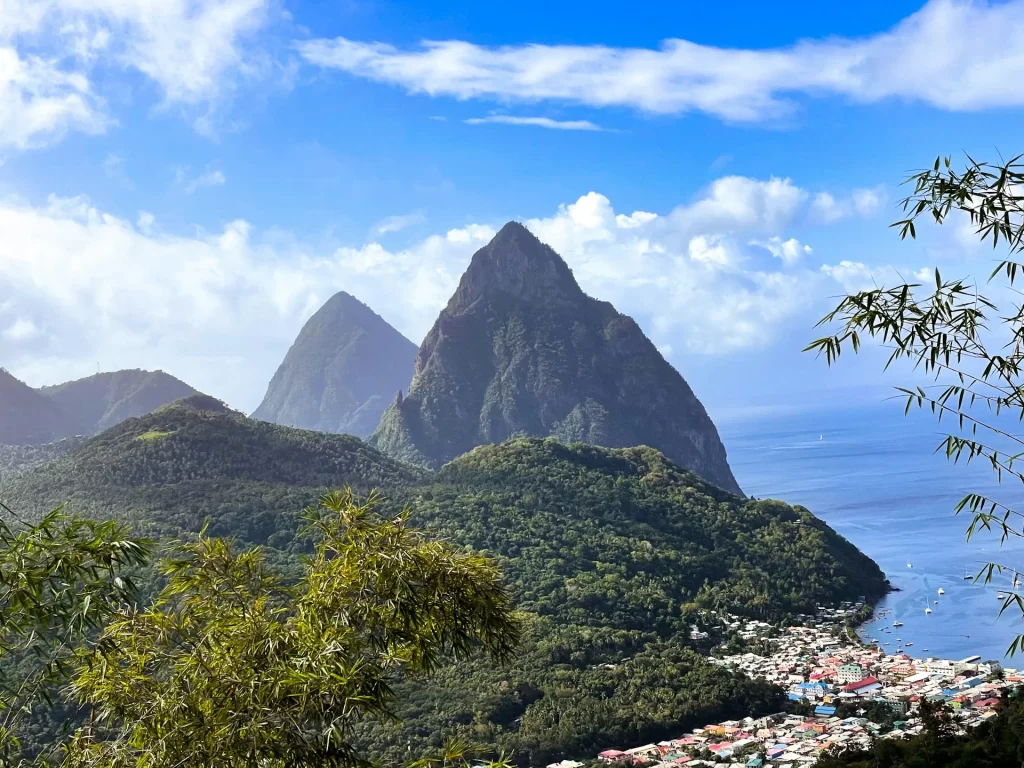
Saint Lucia
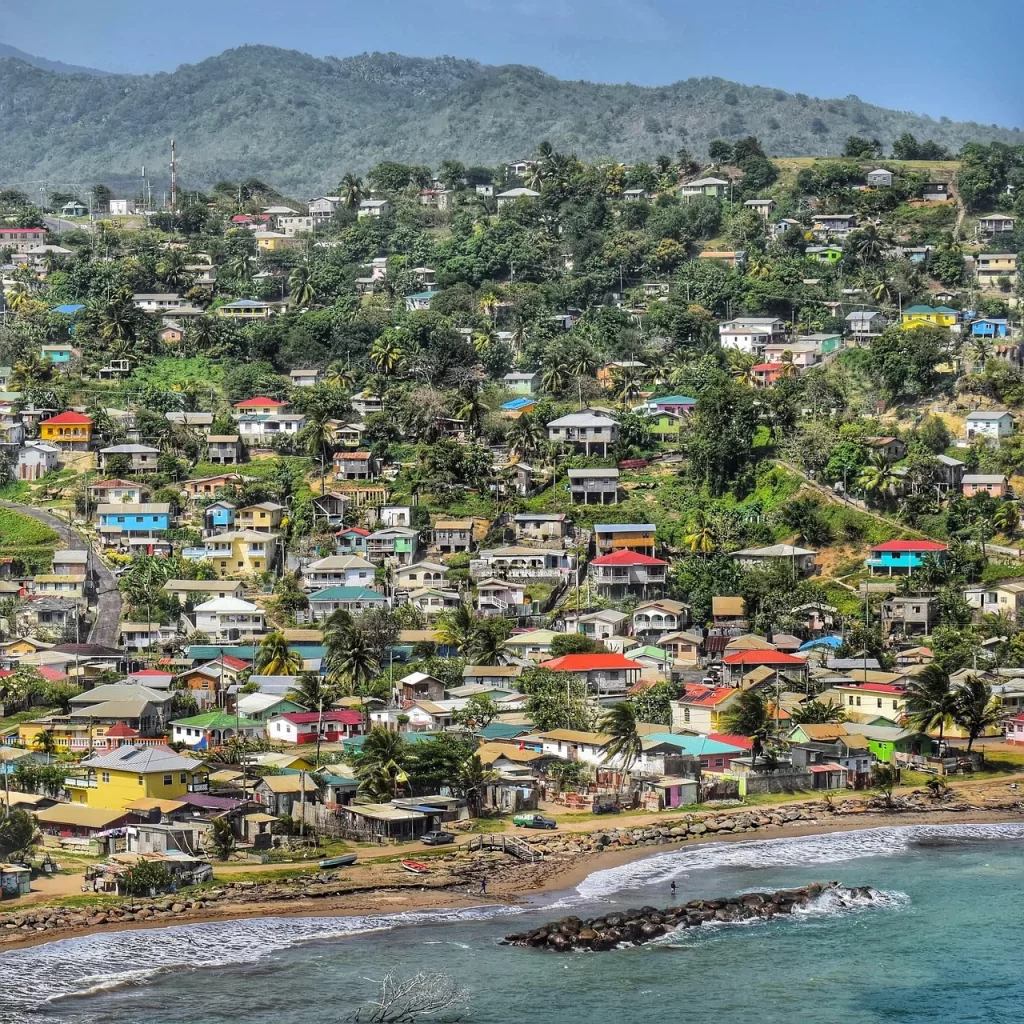
Saint Lucia, a jewel of the Eastern Caribbean, is renowned for its dramatic landscapes, from the iconic Pitons to lush rainforests and pristine beaches. This tropical paradise blends natural beauty, rich Creole culture, and a welcoming community, making it an attractive destination for expatriates seeking a relaxed island lifestyle. With a warm climate, friendly locals, and an English-speaking environment, Saint Lucia offers both adventure and serenity. Its coastal towns, luxury resorts, and quieter villages provide diverse living options for retirees, digital nomads, and families considering relocation to the Caribbean.
Expat Details
COASTAL HIGHLIGHTS — POPULAR AREAS FOR EXPATS AND RETIREES
- Castries: Capital city with commercial facilities and cultural amenities.
- Rodney Bay: Popular with expatriates for beaches, dining, and nightlife.
- Soufrière: Scenic area near the Pitons, ideal for nature lovers and retirees.
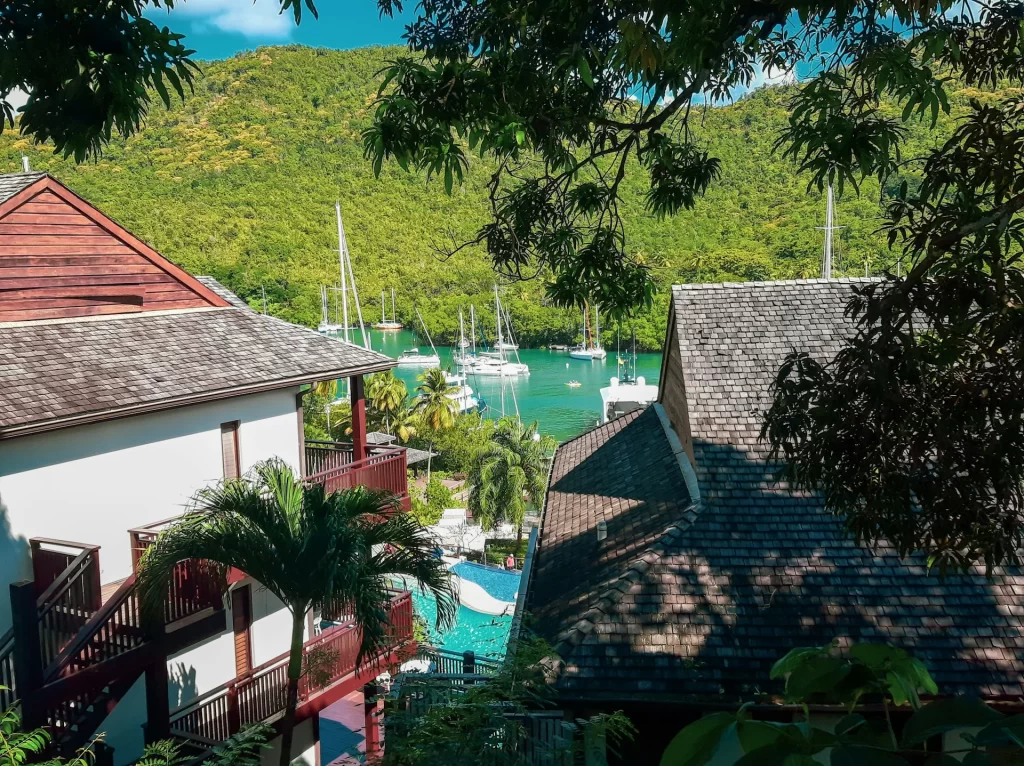
- Anse Chastanet & Marigot Bay: Coastal retreats with resort-style living.
- Vieux Fort: Less crowded, emerging area for long-term expats.
Review
Saint Lucia offers expatriates a blend of Caribbean allure and practical living. The island’s natural beauty, coastal lifestyle, and English-speaking environment make it an attractive destination for retirees, digital nomads, and families. While considerations such as import costs, hurricane season, and infrastructure limitations exist, the vibrant culture, outdoor lifestyle, and welcoming communities create a compelling environment for those seeking long-term relocation to a safe, sunny, and picturesque Caribbean island.
Cost of Living
Living in Saint Lucia offers the charm of Caribbean life with moderate living expenses compared to other islands in the region. Expatriates can enjoy local markets, fresh seafood, and tropical produce, though imported goods and luxury items can carry a higher price. Understanding cost variations between urban centers like Castries and quieter coastal villages helps newcomers plan a sustainable budget while enjoying a comfortable lifestyle by the sea.
Cost of Living
- Housing: Apartments in Castries typically range from $800–$1,500 USD/month; coastal villas and homes outside the capital can range $1,200–$3,000 USD/month.
- Utilities: Electricity, water, and gas average $150–$250 USD/month; air conditioning significantly increases costs.
- Groceries: Local fruits, vegetables, and seafood are affordable; imported goods are 30–50% more expensive than in North America.
- Dining: Casual meals $8–$15; mid-range restaurants $25–$40 per person.
- Transportation: Car ownership is common; public buses are inexpensive but infrequent outside main towns.
Quality of life
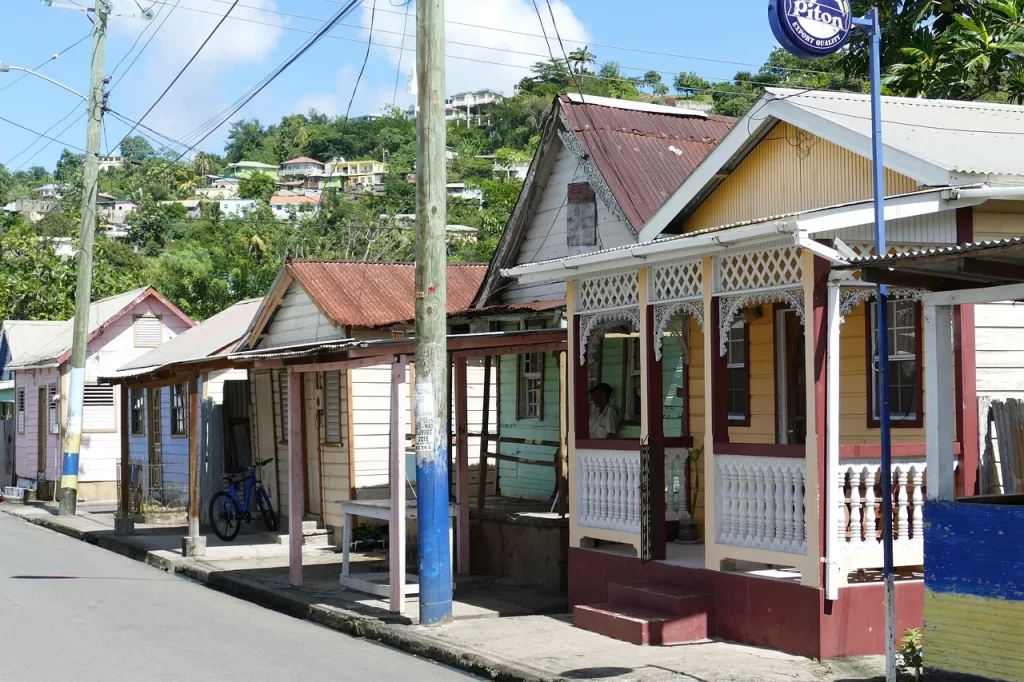
Saint Lucia offers a high quality of life with a relaxed pace, stunning scenery, and a mix of outdoor and cultural activities. The island’s lifestyle emphasizes wellness, recreation, and community engagement. Whether hiking in rainforests, sailing along the coast, or participating in local festivals, residents enjoy a balance of leisure and connection to nature. English as the official language makes integration smoother for expatriates, while vibrant Creole traditions enrich daily living.
Quality of Life
- Community: Friendly locals and a growing expatriate presence in towns like Soufrière and Rodney Bay.
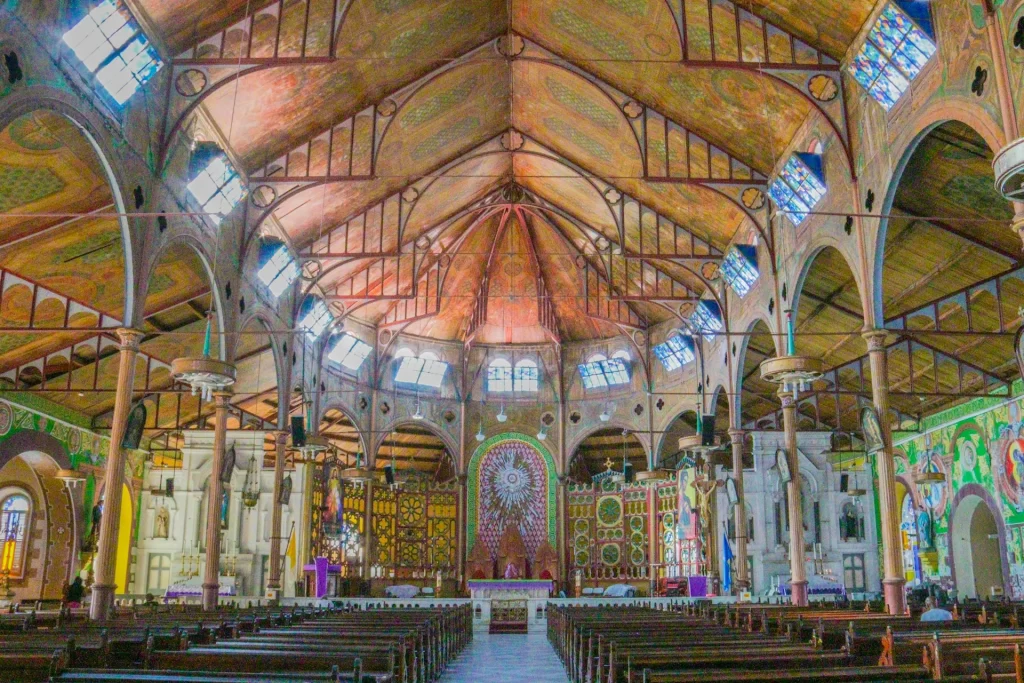
- Culture: Rich Creole heritage, music, festivals, and cuisine.
- Lifestyle: Outdoor-oriented, including water sports, hiking, fishing, and wellness retreats.
- Language: English is official; Creole widely spoken.
- Entertainment: Local events, markets, and music festivals enhance social life.
Pros & Cons
Saint Lucia combines tropical beauty with English-speaking infrastructure, offering both lifestyle and practicality advantages for expats. The island presents excellent opportunities for outdoor living and investment, but also poses challenges such as higher import costs, seasonal hurricanes, and limited urban infrastructure. Being aware of the benefits and potential challenges helps prospective residents make informed relocation decisions.
Pros & Cons
Pros
- English-speaking and welcoming to expatriates.
- Tropical climate with stunning natural landscapes.
- Opportunities for luxury and coastal property ownership.
- Rich Creole culture with festivals and cuisine.
- Stable democracy and a relatively safe environment.
Cons
- Higher cost of imported goods and utilities.
- Limited public transport outside major towns.
- Hurricane season from June to November.
- Smaller healthcare infrastructure compared to North America or Europe.
- Island remoteness can increase travel time and shipping costs.
Residency & Visas
Saint Lucia offers clear pathways for expatriates seeking residency or long-term stays. EU, U.S., Canadian, and other nationals can apply for residency through investment, retirement, or employment programs. The island’s legal framework provides a stable environment for property ownership and work, while visa and residency options cater to retirees and investors seeking long-term Caribbean living.
Residency & Visas
- Tourist Visas: Typically 6–8 weeks for most nationalities; extensions available through immigration offices.
- Permanent Residency: Available after 5 years of continuous legal residence; alternative pathways through investment or retirement programs.
- Work Permits: Required for non-nationals seeking employment; process facilitated by local companies.
- Retirement Programs: Residency can be granted to retirees demonstrating sufficient income and health insurance.
- Property Ownership: Foreigners can purchase property with standard legal protections.
Healthcare
Saint Lucia provides both public and private healthcare services, with urban centers offering the most comprehensive facilities. Expatriates often rely on private healthcare for routine care, while major hospitals in Castries and Rodney Bay provide specialized treatment. Travel to other Caribbean nations or North America is sometimes necessary for advanced medical procedures, but overall healthcare standards are suitable for expatriate residents.
Healthcare
EALTHCARE — MORE DETAILS (READ MORE)
- Facilities: Main hospitals in Castries and Soufrière; smaller clinics across the island.
- Private Healthcare: Preferred by expatriates for faster access and English-speaking staff.
- Insurance: Strongly recommended for expatriates; covers private care and emergency evacuation if needed.
- Pharmacies: Well-stocked in major towns; imported medications are available but can be costly.
- Emergency Services: Ambulance and urgent care available in urban areas; rural response may be slower.
Safety & Security
Saint Lucia is generally considered safe for expatriates, with petty crime the main concern in urban areas. Coastal towns and resort communities typically maintain strong security and local oversight. Awareness of surroundings and standard precautions ensure a secure lifestyle. Seasonal weather events like hurricanes require preparation but do not generally pose long-term threats to safety.
Safety & Security
- Crime: Mostly petty theft and opportunistic crime; violent crime is rare in expat-populated areas.
- Natural Hazards: Hurricanes and tropical storms June–November; building standards mitigate major damage.
- Community Safety: Gated properties and resort towns offer added security.
- Emergency Services: Police, fire, and medical support reliable in urban zones; remote areas may experience delays.
Climate
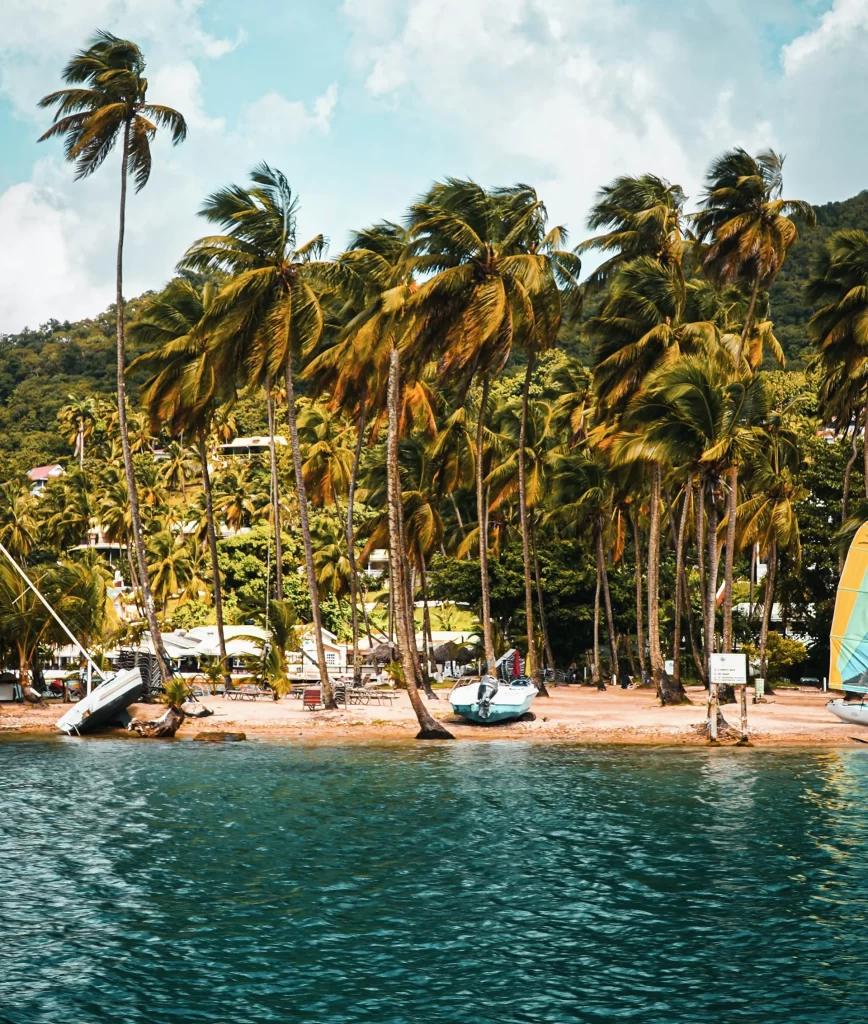
Saint Lucia enjoys a tropical climate, making it ideal for outdoor and coastal living year-round. Warm temperatures, lush vegetation, and ocean breezes create a comfortable environment for retirees and expatriates. Understanding seasonal variations, including wet and dry seasons, allows residents to maximize enjoyment of the island’s natural beauty while planning around hurricane periods.
Climate
- Average Highs: 28–31°C (82–88°F) year-round.
- Average Lows: 23–26°C (73–79°F).
- Dry Season: December–May, optimal for outdoor activities and relocation.
- Wet Season: June–November, with higher humidity and occasional heavy rainfall.
- Hurricane Risk: Peaks August–October; local advisories provide preparedness guidelines.
- Microclimates: Coastal areas are sunnier and warmer; mountainous regions cooler and wetter.
Infrastructure & Amenities
Saint Lucia has a developing infrastructure network, particularly in urban and tourist-focused areas. Roads, utilities, and communication services are reliable in towns and coastal communities, while rural regions may have limited access. French and English influence ensures administrative clarity, and the island supports a comfortable lifestyle for expatriates seeking connectivity without sacrificing natural beauty.
Infrastructure & Amenities
- Transport: Roads connect major towns; car ownership common; limited public transport.
- Utilities: Electricity, water, and gas generally reliable; outages possible during storms.
- Internet: Broadband widely available; fiber in main towns.
- Banking & Finance: Local banks offer standard services; international transfers facilitated.
- Education: Private and international schools available; homeschooling popular among expats.
- Air & Sea Access: Hewanorra International Airport serves international flights; ferries connect nearby islands.

General:
Location:
Caribbean Sea
Sovereignty:
Independent
Capital:
Castries
Population:
180,149
Land Area (km2):
606
Population Density (km2):
295
Language:
English
Literacy %:
90.1
Poverty %:
25
Currency:
Eastern Caribbean Dollar (XCD)
Indices:
GDP +/- Growth %:
+3.9
World IHDI Score:
0.523 (107/192)
World Gini Score:
51.2
Indices Detail
GDP +/- Growth % measures the annual growth rate of the country’s GDP.
World IHDI Score (Inequality-adjusted Human Development Index) reflects average achievements in health, education, and income, adjusted for inequality.
Country Rank (#/192) (1 = best for both scores)
World Gini Score is a measure of income inequality; 0 represents perfect equality and 100 maximal inequality.